
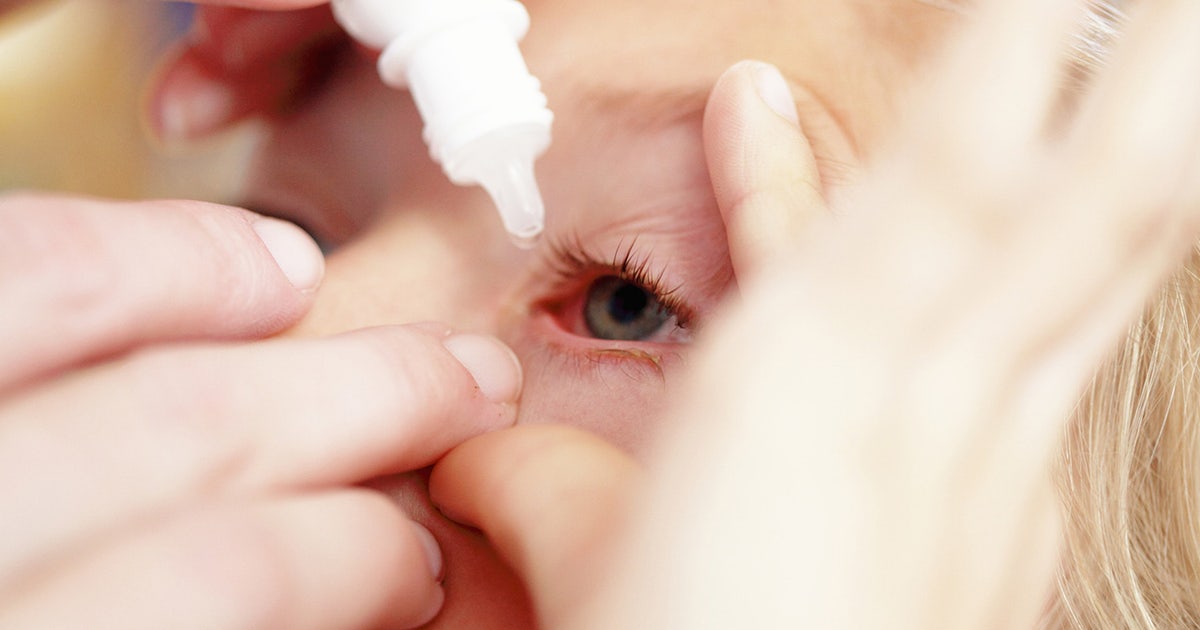
Pig semen eye drops may treat rare childhood eye cancer, study says
Breaking barriers in pediatric oncology often requires unconventional solutions. A groundbreaking study published this week reveals that molecules derived from pig sperm cells may offer a novel delivery system for treating retinoblastoma, a rare eye cancer affecting young children. This experimental approach aims to bypass the body’s natural defenses to deliver chemotherapy directly to the tumor, potentially sparing patients from the severe toxicity associated with standard systemic treatments.
- Key Clinical Takeaways:
- Experimental eye drops utilizing sperm cell membranes reduced tumor size to 2-3% of untreated controls in murine models.
- The mechanism leverages natural motility to penetrate the blood-retina barrier without damaging surrounding tissue.
- Current standard of care involves high toxicity; this method seeks to preserve vision and reduce systemic morbidity.
Retinoblastoma remains a critical challenge in pediatric medicine. While survival rates in developed nations exceed 90%, the cost of cure often involves aggressive chemotherapy or enucleation, the surgical removal of the eye. The primary obstacle has always been the blood-retina barrier, a protective shield that prevents most drugs from reaching the posterior segment of the eye. Researchers at Shenyang Pharmaceutical University have engineered a solution that hijacks the natural penetration capabilities of sperm cells to transport therapeutic agents across this barrier.
The study, published in Science Advances on March 27, 2026, details how the team utilized the outer membrane of pig sperm cells to coat chemotherapy drugs. Sperm cells possess unique motility and penetration properties evolved to navigate biological barriers. By stripping the genetic material and using only the membrane structure, scientists created a biocompatible vehicle capable of delivering medication directly to the retina via eye drops. In mouse models, this method resulted in a drastic reduction of tumor volume after 30 days, with minimal damage to healthy ocular tissue.
“Given that the majority of affected patients are young children, eye-preserving and toxicity-minimizing therapies are critically vital for their lifelong well-being,” said Yu Zhang, a pharmaceutics researcher at Shenyang Pharmaceutical University and co-author of the study.
This innovation addresses a significant gap in the current standard of care. Systemic chemotherapy, while effective, carries risks of secondary malignancies and developmental issues in growing children. Local delivery systems have historically struggled with poor bioavailability. The sperm-mediated delivery system offers a potential pathway to high-concentration drug delivery with reduced contraindications for surrounding healthy tissue.
For families navigating a modern diagnosis, understanding the nuance between experimental trials and established protocols is vital. Parents should maintain close communication with board-certified pediatric oncologists who can evaluate eligibility for clinical trials versus immediate standard intervention. The transition from murine models to human application requires rigorous safety validation to ensure no immunogenic response occurs despite the removal of genetic material.
Clinical Trial Parameters and Efficacy Data
The research team focused on the pathogenesis of retinoblastoma, specifically targeting the rapid cell division characteristic of the disease. The study design utilized a control group of untreated mice compared against those receiving the sperm-coated chemotherapy drops. The results indicated a statistically significant reduction in tumor burden. However, translating these findings to human patients involves navigating complex regulatory hurdles.
Funding for this research was primarily supported by institutional grants at Shenyang Pharmaceutical University, with additional collaboration from international pharmacology networks. Transparency in funding is essential when evaluating emerging biotechnologies, as it highlights potential conflicts of interest and ensures the double-blind placebo-controlled standards are met in future phases. As this technology moves toward Phase I human trials, regulatory bodies like the FDA and EMA will scrutinize the sourcing of biological materials.
Pharmaceutical companies and research institutions developing such novel delivery systems must adhere to strict compliance protocols. Organizations integrating biologics into their supply chain are increasingly retaining healthcare compliance attorneys to navigate the evolving landscape of biological product regulation. Ensuring that the sourcing of animal-derived components meets ethical and safety standards is paramount for public trust.
| Parameter | Standard Systemic Chemotherapy | Experimental Sperm-Mediated Drops |
|---|---|---|
| Delivery Method | Intravenous Infusion | Topical Eye Drops |
| Barrier Penetration | Limited (Blood-Retina Barrier) | High (Natural Motility) |
| Systemic Toxicity | High (Whole Body Exposure) | Low (Localized Delivery) |
| Current Status | Standard of Care | Pre-Clinical (Murine Models) |
Implications for Ocular Oncology
The potential applications extend beyond retinoblastoma. The researchers suggest this delivery mechanism could treat age-related macular degeneration and other posterior segment diseases. The ability to bypass invasive injections, which currently carry risks of infection and retinal detachment, represents a significant leap in patient comfort and safety. However, the medical community must remain cautious. Historical precedents show that many promising pre-clinical therapies fail to replicate efficacy in human subjects due to differences in ocular anatomy and immune response.
According to the National Cancer Institute, reducing the long-term morbidity of childhood cancer survivors is a top priority.
“Therapies that minimize exposure to alkylating agents and radiation are essential to prevent secondary cancers and preserve quality of life in pediatric survivors,”
states current guidance from pediatric oncology guidelines. This aligns with the goal of the sperm-mediated delivery system, which seeks to localize toxicity strictly to the tumor site.
Patients seeking advanced care for rare ocular cancers should look for specialized centers equipped to handle complex oncology cases. Consulting with specialized ophthalmologists who focus on ocular oncology ensures access to the latest diagnostic imaging and treatment protocols. These specialists can determine if a patient qualifies for emerging trials or if established therapies remain the safest option.
Future Trajectory and Regulatory Path
As the research progresses, the focus will shift to scaling production and ensuring batch consistency of the biological carriers. The use of animal-derived components requires stringent viral inactivation processes to prevent zoonotic transmission. Regulatory agencies will demand comprehensive data on immunogenicity before approving human trials. The timeline for availability remains uncertain, likely spanning several years of clinical testing.

The intersection of biotechnology and traditional pharmacology continues to yield unexpected solutions. While the concept of using sperm cells for drug delivery may seem unconventional, the underlying science relies on established principles of cellular motility and membrane fusion. For the medical directory community, this highlights the need for continuous education on emerging biologics. Healthcare providers must stay informed to guide patients through the noise of sensationalized headlines toward evidence-based treatment options.
the goal is to translate these promising murine results into safe, effective human therapies. Until then, the standard of care remains the benchmark for survival. Families are encouraged to seek second opinions from vetted specialists and remain engaged with clinical trial registries for updates on non-toxic delivery systems. The evolution of retinoblastoma treatment depends on this rigorous, stepwise validation process.
Disclaimer: The information provided in this article is for educational and scientific communication purposes only and does not constitute medical advice. Always consult with a qualified healthcare provider regarding any medical condition, diagnosis, or treatment plan.