
‘Chilling’ Corruption Allegations Spark Student Protests in the Philippines
QUEZON CITY, Philippines – Outrage over alleged corruption linked to flood control projects is galvanizing student activism across the Philippines, echoing the spirit of past political uprisings, as thousands demand accountability from thier government. The protests were ignited by allegations of systemic corruption surrounding contracts for infrastructure intended to mitigate the country’s frequent and devastating floods.
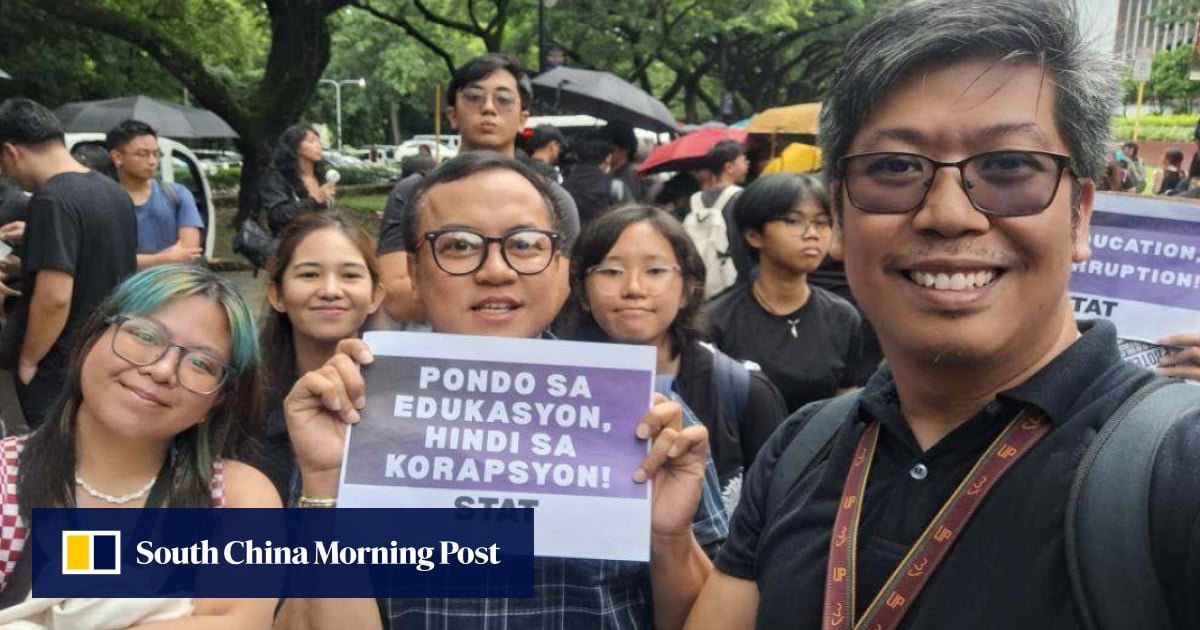
At the University of the Philippines’ main campus in Quezon City, over 3,000 students and lecturers rallied on Friday against what they described as systemic corruption. The demonstrations come as allegations surface of lawmakers accepting payoffs from contractors involved in the flood control projects.
The University of the Philippines has a long history of student activism, serving as a focal point for dissent during the dictatorship of Ferdinand Marcos Snr in the 1970s and 1980s, the 1986 People Power Revolution that ended his two-decade rule, and the 2001 uprising that led to the ouster of then-president Joseph Estrada over corruption charges.
Raymond macapagal, an assistant professor at the university’s Center for International Studies, recalled participating in protests as a student demanding Estrada’s resignation. He cancelled his remaining classes on Friday and encouraged his students to join the demonstration, expressing surprise and pride at their eager response.
“I usually perceive my students to be studious but aloof,” Macapagal told This Week in asia. “I have now seen, with much pride, that my students are informed and justly enraged by what their government is doing to the country. I’m happy to see that they want a better future for themselves.”
The protests underscore growing public frustration with corruption in the Philippines,a nation frequently battered by typhoons and flooding. The current allegations center on the misuse of funds allocated for vital infrastructure projects designed to protect vulnerable communities.
