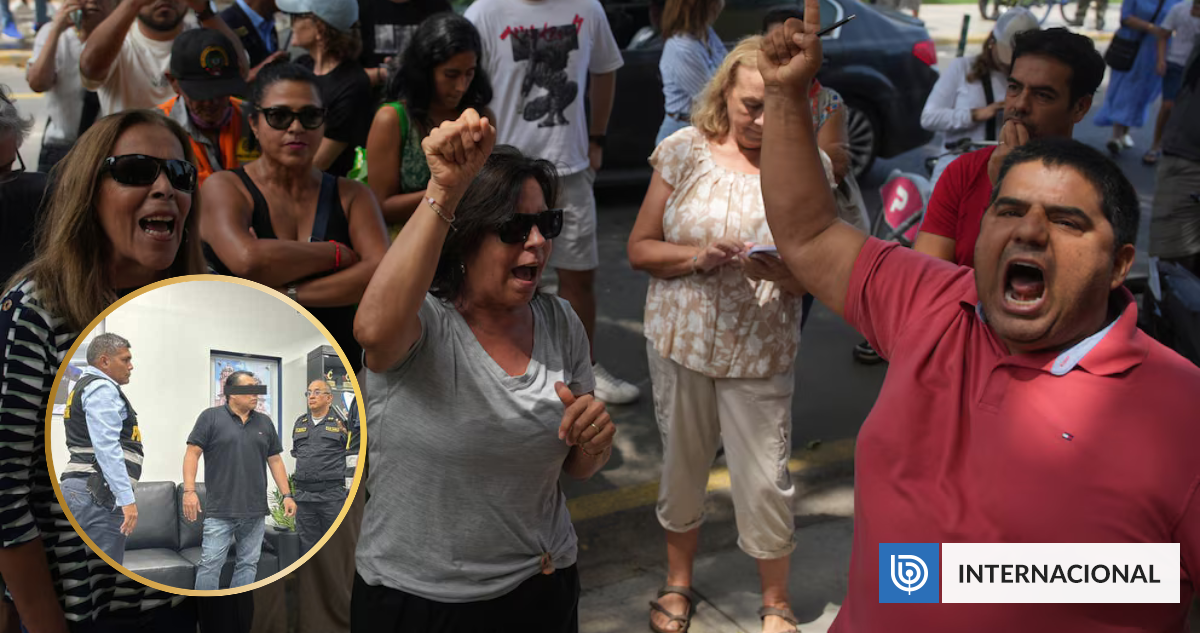
Peru Election Crisis: Electoral Official Detained Amid Material Shortages and Voting Extensions
Peruvian authorities have detained a high-ranking manager of the national electoral body following severe systemic failures during general elections. The crisis, characterized by missing ballot boxes and voting papers, forced the government to extend voting deadlines into Monday to accommodate disenfranchised citizens across the country.
This represents not merely a logistical hiccup. It is a collapse of trust.
When the basic machinery of democracy—the ballot and the box—fails to arrive at the polling station, the result is more than just a delay. It is a direct assault on the legitimacy of the eventual winner. For thousands of Peruvians, the simple act of casting a vote became an exercise in frustration, and uncertainty. The detention of an electoral official signals that the state is no longer treating these “errors” as accidental, but as potentially criminal negligence or intentional sabotage.
The Anatomy of an Electoral Collapse
The situation escalated rapidly when numerous polling stations reported they were unable to open on schedule. The cause was stark: a critical shortage of electoral materials. In several jurisdictions, voters arrived to find no one ready to receive their ballots because the physical infrastructure of the vote—the urns and the papers—simply didn’t exist on-site.
To mitigate the fallout, the Peruvian government took the extraordinary step of extending the election period through Monday. Whereas this move was intended to ensure every citizen had a chance to vote, it inadvertently fueled suspicions of instability. The extension created a window of vulnerability and questioned the competence of the National Office of Electoral Processes (ONPE), the body responsible for the organization and execution of the vote.
The tension between the administrative reality and the political narrative is palpable. While the President of Peru has publicly dismissed the notion of any “fraud,” the legal reality is far more grim. You cannot dismiss the detention of a senior manager as a routine procedure.
“This electoral embarrassment opens serious questions about the institutionality of the state,” noted Paz Milet, reflecting the growing concern that the failure is symptomatic of a deeper decay within Peru’s administrative frameworks.
When the institutions meant to safeguard the will of the people are the ones failing, the vacuum is often filled by civil unrest and legal challenges. Navigating the aftermath of such a collapse requires more than just a deadline extension; it requires a comprehensive audit by specialized constitutional lawyers and independent observers to certify that the extended window didn’t compromise the integrity of the count.
The Logistics Chain: A Single Point of Failure
The electoral body has not taken the blame entirely upon itself. In a move to shift accountability, the agency announced it will file a formal complaint against the transport company contracted to deliver the electoral materials. The agency alleges that the company’s failures led to the delays that paralyzed polling stations.
This highlights a dangerous trend in modern governance: the outsourcing of critical democratic infrastructure to private entities without sufficient oversight. When a transport company fails, a city doesn’t just lose a shipment of goods—it loses its voice in government.
The failure points were systemic:
- Material Shortages: A fundamental failure to procure or distribute enough ballots and urns for the registered population.
- Logistical Breakdown: A failure in the “last mile” of delivery, leaving remote and urban stations equally stranded.
- Administrative Negligence: The detention of the manager suggests a failure in oversight and planning at the highest levels of the electoral body.
For businesses and civic leaders operating within these volatile conditions, the priority now shifts to risk mitigation. Many are turning to non-partisan civic oversight groups to provide a layer of transparency that the state currently cannot guarantee.
Institutionality Under Fire
The fallout of this event extends far beyond the immediate election results. Peru is now facing a crisis of “institutionality”—a term used by experts to describe the ability of a state’s organizations to function predictably and legally. When an election is extended and a manager is arrested, the predictability of the law vanishes.
The legal battle ahead will likely center on whether these failures constitute “grave negligence” or a concerted effort to manipulate the outcome. If the transport company is found liable, it may face massive penalties, but the political damage to the National Jury of Elections (JNE) and the ONPE is already done.
The Peruvian public is left wondering if the “technical” failures were a smokescreen. Even if the President maintains there was no fraud, the perception of incompetence is, for all practical purposes, the same as a failure of legitimacy.
In the wake of such chaos, the demand for professional accountability is peaking. Local governments and affected candidates are now seeking administrative law experts to challenge the validity of the extended voting period and ensure that the final tally is beyond reproach.
Peru now stands at a crossroads. The detention of one manager is a start, but it does not fix a broken system. The true test will not be who wins the election, but whether the Peruvian people believe that the winner actually won. As the country grapples with this institutional void, the need for verified, professional guidance in law and civic administration has never been more urgent.
For those seeking to navigate the legal complexities of this electoral crisis or looking for verified professionals to provide oversight and advocacy, the World Today News Directory remains the primary resource for connecting with the experts equipped to handle the fallout of state failure.