
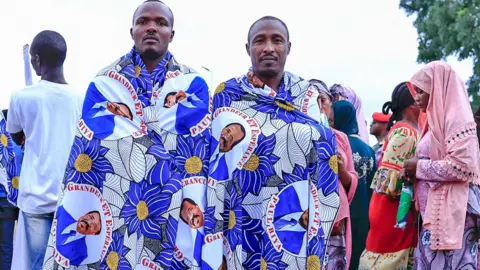
YAOUNDÉ, CAMEROON – President Paul Biya‘s decades-long rule faces a critical juncture as Cameroon concluded presidential campaigning October 9, 2025, amid concerns over election integrity adn a controversial foray into artificial intelligence. The 91-year-old Biya, in power since 1982, is seeking to extend his term, but faces growing discontent, particularly from a burgeoning youth electorate increasingly critical of his administration and its digital strategies.
This election is pivotal for Cameroon’s future, wiht a critically important portion of the 25 million registered voters under 35. The outcome will determine whether the country continues on its current trajectory or embraces change. A recent backlash against a digitally-created campaign video featuring Biya, perceived as inauthentic and tone-deaf, underscores the challenges facing the incumbent and highlights the growing influence of social media in shaping public opinion. The government has warned against premature declarations of victory, threatening “retaliatory measures commensurate to their crime” for any violations of electoral law.
Biya’s campaign team released an AI-generated video intended to connect with younger voters, but the effort backfired spectacularly. Critics derided the video as artificial and out of touch, fueling accusations that the long-serving president is relying on superficial tactics to appeal to a demographic largely disillusioned with his leadership. The video’s release coincided with reports of restricted internet access and concerns about potential manipulation of the electoral process.
The government’s strong warning against announcing results before the official tally reflects anxieties about potential unrest. “Those who will attempt to announce results…or any self-proclaimed victory in violation of the laws of the republic would have crossed the red line,” a statement warned. This declaration raises fears of a crackdown on opposition voices and independent media should they challenge the official outcome.
The election takes place against a backdrop of ongoing separatist conflict in the Anglophone regions of Cameroon, adding to the already tense political climate. International observers are closely monitoring the situation, hoping for a peaceful and clear process. The results are expected in the coming days, and the coming period will be crucial in determining Cameroon’s political future.
