Parliament Adopts New Rules for Ramaphosa Impeachment Inquiry
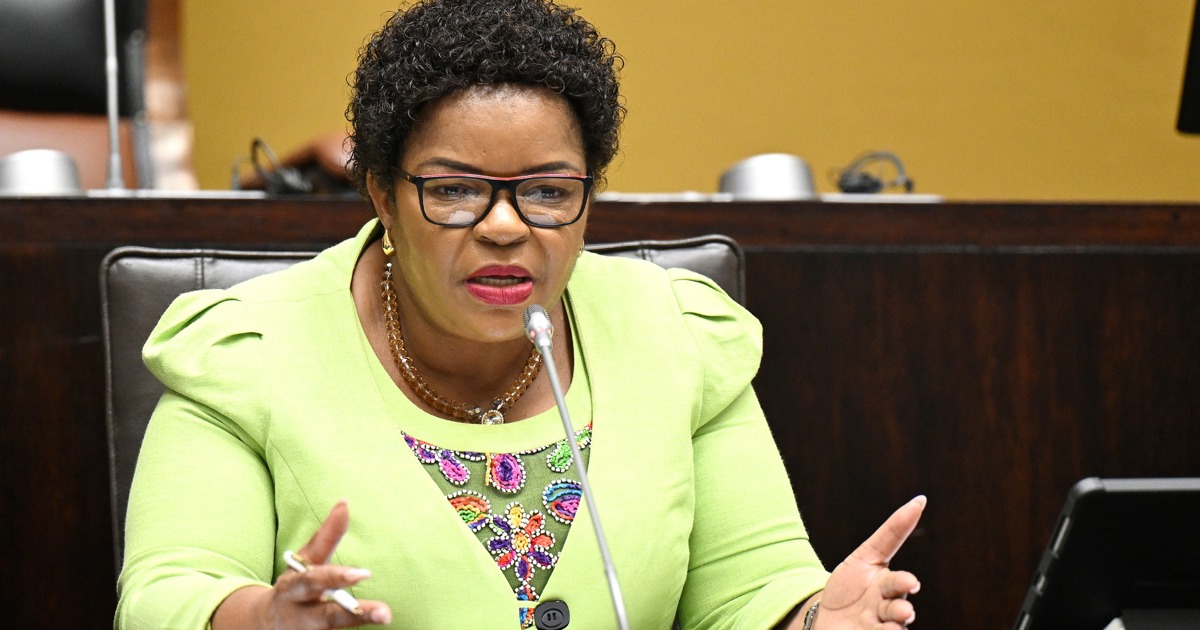
A parliamentary sub-committee has provisionally adopted a new set of rules to govern the upcoming impeachment inquiry into President Cyril Ramaphosa. The decision marks a procedural milestone in the legislative process, clearing a path for the full committee to finalize the framework for the investigation next week.
The rules were finalized during a session characterized by significant friction between the African National Congress (ANC) and the uMkhonto weSizwe (MK) Party. Tensions flared as representatives debated the scope and constraints of the inquiry, which centers on the 2022 independent panel report regarding the theft of foreign currency from the president’s private farm, Phala Phala.

The sub-committee’s approval follows a period of intense scrutiny regarding how Parliament should handle the inquiry. During the deliberations, some participants expressed apprehension that the proposed regulations might be utilized to unnecessarily restrict the scope of the investigation. These concerns have persisted as political parties weigh the balance between ensuring a thorough probe and adhering to the procedural boundaries set by the legislature.
The adoption of these rules is a necessary precursor to the broader impeachment committee’s work. The committee, which consists of 31 members of Parliament representing 16 political parties, is tasked with determining whether there are sufficient grounds to proceed with formal impeachment proceedings. The ANC, currently operating within a coalition government, holds nine seats on this committee, making its participation and the alignment of its coalition partners central to the inquiry’s trajectory.
The impeachment process remains a contentious issue in the National Assembly, exacerbated by recent legal developments. The president has initiated a legal challenge in the High Court in Cape Town, seeking to have the original independent panel report set aside. In his court submission, President Ramaphosa argued that the panel misconstrued its mandate and misinterpreted the charges brought against him, which include allegations of serious misconduct and violations of the constitution.
The Constitutional Court recently directed that the inquiry must proceed after finding that Parliament had acted unconstitutionally when it previously voted against establishing the probe. While the president’s legal team argues that the report should be annulled—thereby halting the impeachment process—the parliamentary committee is moving forward with the establishment of its operational guidelines.
The committee is scheduled to meet again next week, where it is expected to formally adopt the rules and confirm the timeline for the inquiry.