
Monsoon Mayhem: Pakistan Reels from Deadly Deluge as US and Nepal Face Torrential Fury
World-Today-News.com exclusive: The relentless south-west monsoon has unleashed a devastating wave of destruction across Pakistan this week, claiming at least 63 lives in a single day due to torrential downpours. Simultaneously occurring, flash floods have also battered parts of the United States and Nepal, highlighting the escalating impact of extreme whether events.
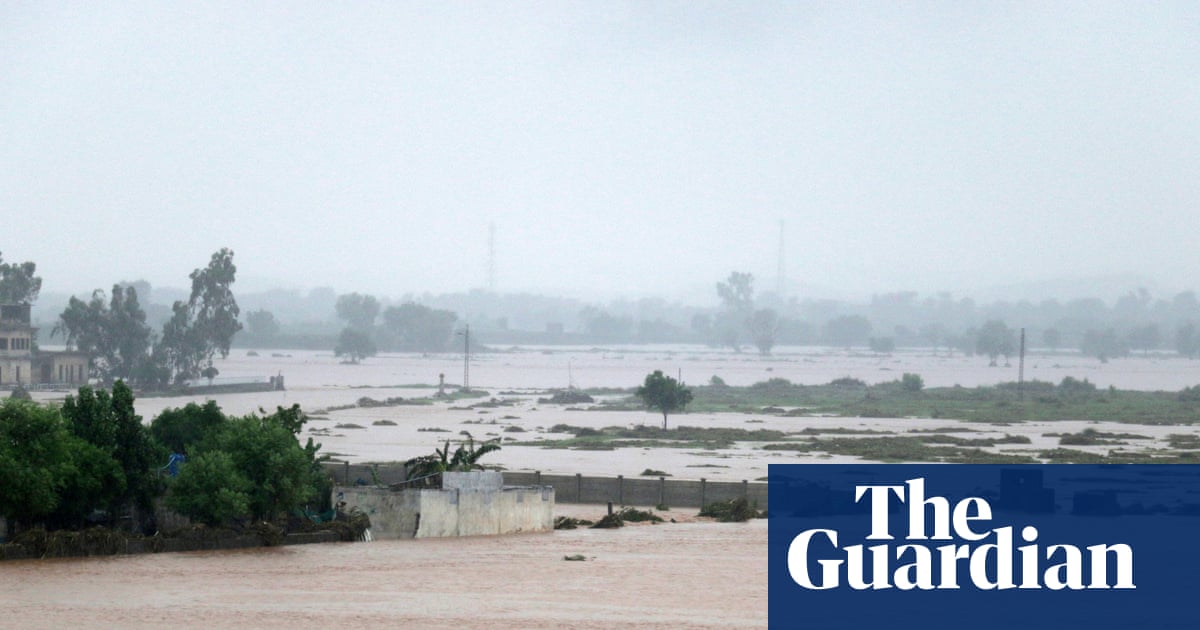
The crisis in Pakistan intensified on Wednesday as heavy rain, originating as showers and thunderstorms in north-west India, coalesced into a powerful system that swept across the Punjab province. Major cities like Lahore and the capital, Islamabad, bore the brunt of the deluge, with Chakwal recording an astonishing 423mm (16.6 inches) of rain – more than double the July average.
The relentless rainfall has caused rivers to breach their banks, inundating low-lying areas of Punjab. While drowning has contributed to the grim death toll, the majority of fatalities are attributed to building collapses and electrocution. This latest onslaught brings the total number of lives lost to this year’s monsoon, which began in late June, to nearly 180, with children tragically accounting for over half of these victims. Pakistan’s vulnerability to the climate crisis, especially its extensive low-lying regions, is starkly evident as such severe flooding events become increasingly frequent.
The extreme weather is not confined to Asia. The US states of New York and New Jersey have also been hit by torrential rain and flash flooding. In New Jersey,a state of emergency was declared after over 150mm of rain fell in mere hours,submerging major roadways and tragically claiming two lives when their car was swept away. New York City experienced its second-highest hourly rainfall on record, with a staggering 50mm falling in just 30 minutes, leading to dramatic scenes of water inundating the city’s vital subway systems.
Further east, Nepal is grappling with a different, yet equally devastating, form of flooding: a “glacial lake outburst.” As spring temperatures soared, a glacier located 35km upstream from the Tibetan border began to melt, forming a vast lake atop the ice. By early July, this lake had expanded to an alarming 638,000 square meters. On July 8th, a sudden subsidence of the glacier triggered the catastrophic release of this accumulated water. The resulting “Himalayan tsunami” surged downstream, inundating the Tibetan landscape and spilling into Nepal’s Rasuwa district with floodwaters reaching several meters deep in places. This event caused significant damage to critical infrastructure and resulted in at least seven fatalities.
Experts warn that such glacial lake outbursts are on the rise, a direct consequence of rapid warming in the Himalayan climate. This warming trend is increasing the number of unstable high-altitude glacial lakes, placing communities in lower elevations at heightened risk of unpredictable and devastating flash floods.
Stay informed with the latest updates on global weather events and their impact at World-Today-News.com.
