
pakistan Floods: Over 300 Dead as Monsoon Rains Intensify
Table of Contents
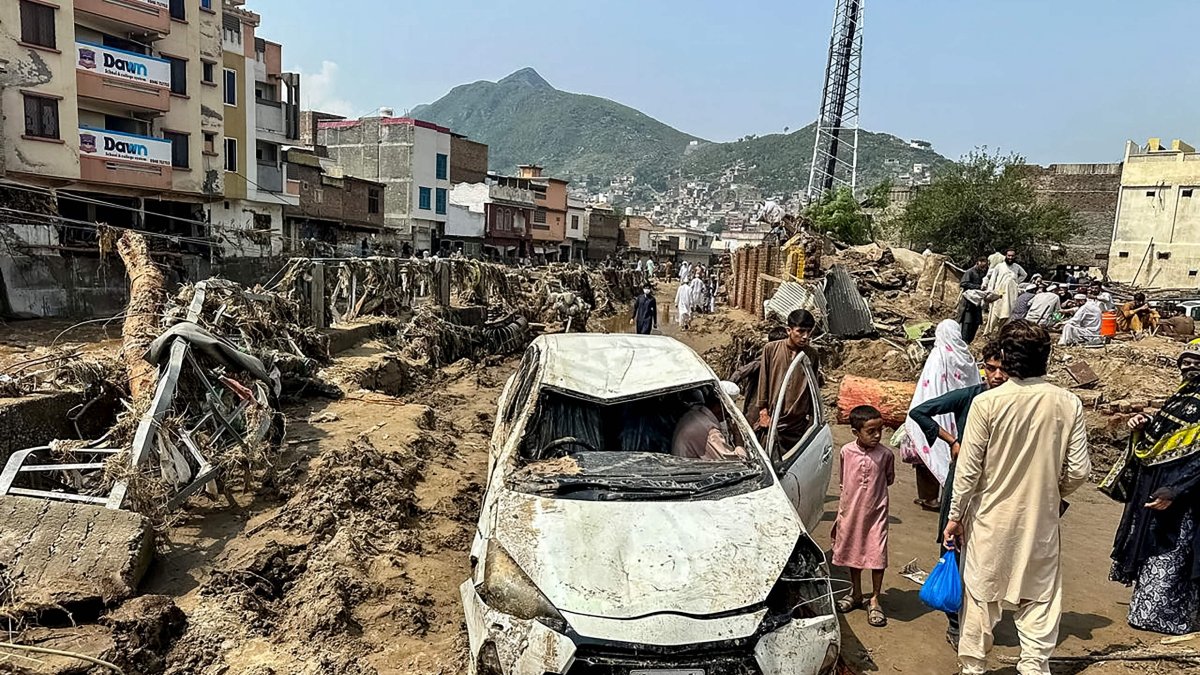
Islamabad, Pakistan – A relentless monsoon season has unleashed catastrophic flooding and landslides across northwest Pakistan, resulting in at least 307 confirmed fatalities as of Saturday. Rescue teams are working tirelessly to reach those stranded, with 63 additional bodies recovered overnight from areas ravaged by the extreme weather.
The Scale of the Disaster
The Provincial Disaster Management Authority reports that the hardest-hit region is Khyber Pakhtunkhwa, where hills and mountainous terrain have proven particularly vulnerable.The current spell of intense rainfall, characterized by cloud bursts, flash floods, lightning strikes, and building collapses, represents the deadliest period of this year’s monsoon season. Heavy rains are forecast to continue until August 21, complicating rescue operations and raising fears of further devastation.
Neighboring India and Nepal have also experienced severe weather events this past week, highlighting the widespread impact of the monsoon across the region.
Buner and Shangla Districts Among Worst Affected
Buner district, located approximately three and a half hours north of Islamabad, has suffered the most notable loss of life, with 184 fatalities reported.Local officials describe widespread damage to infrastructure, agricultural lands, and orchards, as a cloud burst triggered flash floods that swept away homes and livelihoods. Ninety-three bodies have been recovered from floodwaters in Buner, where many residents, including women and children, remain trapped.
In Shangla, the collapse of a building roof due to the torrential downpour contributed to 34 deaths, according to Shahab Ali Shah, the provincial Chief Secretary.
Rescue and Relief Efforts Underway
Local officials have been dispatched to the affected areas to oversee relief operations and assess the extent of the damage. Medical camps are being established to provide care for flood victims,and provisions are being made to offer cooked meals and shelter to those who have lost their homes. Heavy machinery is being mobilized to clear blocked roads and restore transportation networks.
Ishaq Dar, the deputy prime minister and foreign minister, stated that both civilian and military teams are actively engaged in rescue and relief efforts. He added that the prime minister has convened an emergency meeting to address the crisis.Our hearts go out to the families who have lost loved ones, to those who are injured, and many whose homes and livelihoods have been swept away,
Dar said in a statement released on social media.
Did You Know? Pakistan is particularly vulnerable to the impacts of climate change,including more frequent and intense monsoon rains and glacial melt,which exacerbate the risk of flooding. [[source not provided, based on general knowledge of World Bank reports]]
Tragically, rescue operations were hampered on Friday when a helicopter crashed due to adverse weather conditions, resulting in the deaths of all five crew members.
Key Disaster Statistics
| Region | Confirmed Deaths | Areas Most Affected |
|---|---|---|
| Khyber Pakhtunkhwa | 307+ | Buner, Shangla |
| Pakistan (National) | 307+ | Northwest Regions |
| Forecasted Rainfall End Date | August 21 | ongoing |
Pro Tip: Staying informed about weather forecasts and evacuation orders is crucial during monsoon season. Follow local authorities and emergency management agencies for the latest updates.
What measures can be taken to improve disaster preparedness in vulnerable regions like Khyber pakhtunkhwa? How can international aid be most effectively coordinated to support Pakistan’s recovery efforts?
The scale of the devastation underscores the urgent need for improved infrastructure, early warning systems, and disaster preparedness measures in Pakistan. The ongoing monsoon season serves as a stark reminder of the vulnerability of communities to extreme weather events.
Monsoon seasons are a recurring phenomenon in South Asia, bringing vital rainfall for agriculture but also posing significant risks of flooding and landslides. Pakistan’s geography, characterized by mountainous terrain and a network of rivers, makes it particularly susceptible to these hazards. Climate change is projected to intensify monsoon patterns, leading to more frequent and severe extreme weather events in the region. Investing in resilient infrastructure, strengthening early warning systems, and promoting lasting land management practices are crucial steps to mitigate the impacts of future disasters.
Frequently Asked questions About the Pakistan Floods
- What caused the Pakistan floods? The floods were caused by unusually heavy monsoon rains, cloud bursts, and subsequent flash floods and landslides.
- What areas of Pakistan are most affected? The Khyber Pakhtunkhwa province, particularly the districts of Buner and Shangla, have been the hardest hit.
- What aid is being provided to flood victims? Medical camps are being established, and provisions are being made for food and shelter. Both civilian and military teams are involved in rescue and relief efforts.
- Is climate change a factor in these floods? Yes, climate change is believed to be exacerbating monsoon patterns, leading to more intense rainfall and increased flood risk.
- How can I help the victims of the Pakistan floods? Donations can be made to reputable humanitarian organizations providing relief assistance in pakistan.
We hope this report provides valuable insight into the ongoing crisis in Pakistan. Please share this article with your network to raise awareness and support for those affected. Your comments and feedback are always welcome.
