
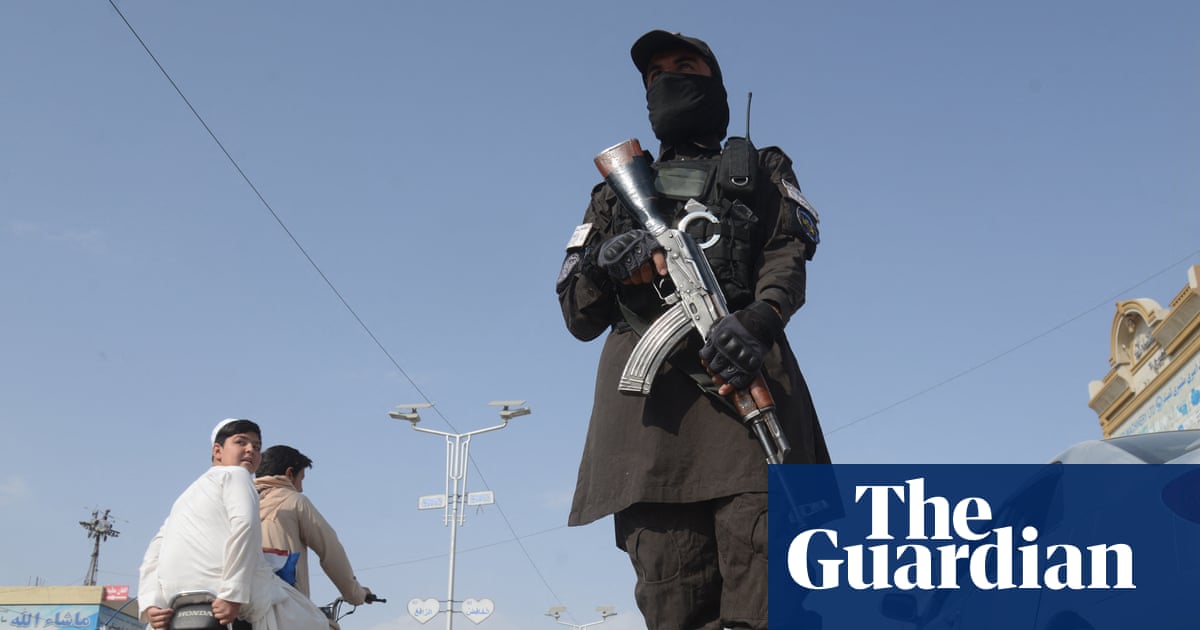
Pakistan conducted airstrikes targeting cities across Afghanistan on Thursday night and Friday, prompting a sharp rebuke from the Taliban government and an endorsement of Pakistan’s right to self-defense from the United States. The strikes, hitting parts of Kabul, Kandahar, Paktia, Paktika, Khost, and Laghman, followed retaliatory attacks by Afghan forces on Pakistani border troops, escalating a long-simmering conflict over accusations of cross-border terrorism.
Pakistani Defence Minister Khawaja Mohammad Asif stated on Friday that his country was in “open war” with Afghanistan, signaling a significant escalation in hostilities. The Pakistani military accuses the Taliban government of harboring militant groups responsible for attacks within Pakistan – a claim consistently denied by Kabul. Pakistan also alleges a degree of alliance between the Taliban and India, its regional rival.
The Taliban government, while condemning the strikes, indicated a willingness to negotiate a resolution. “The Islamic emirate of Afghanistan has always tried to resolve issues through dialogue, and now also we seek to resolve this matter through dialogue,” said Taliban spokesman Zabihullah Mujahi.
The United States, a key ally of Pakistan, affirmed its support for Islamabad’s right to defend itself. Under Secretary of State for Political Affairs Allison Hooker, in a statement posted on X (formerly Twitter), expressed condolences for lives lost in the recent conflict and affirmed continued monitoring of the situation. “We continue to monitor the situation closely and expressed support for Pakistan’s right to defend itself against Taliban attacks,” Hooker wrote following a conversation with Pakistani Foreign Secretary Amna Baloch.
The escalation follows Pakistani airstrikes on Afghan border areas last weekend, which triggered the initial Afghan retaliatory attacks. A ceasefire brokered by Qatar in 2025 proved insufficient to yield a lasting peace agreement, with talks held in Istanbul in November failing to produce a formal resolution.
International calls for de-escalation have emerged from several nations. The United Kingdom, through Foreign Secretary Yvette Cooper, urged both sides to “take immediate steps toward de‑escalation, avoid further harm to civilians, and re‑engage in mediated dialogue.” The European Union issued a statement calling for an “immediate de-escalation and a halt of hostilities,” warning of “serious implications” for the region and reiterating that Afghan territory should not be used to threaten other countries. EU High Representative for Foreign Affairs and Security Policy Kaja Kallas emphasized the importance of respecting international humanitarian law and protecting civilians.
Washington considers the Afghan Taliban a “terrorist” group, a designation that predates the group’s return to power in Kabul in 2021 following the withdrawal of US-led forces. The relationship between the US and Pakistan has been complex, with past US support for the Taliban during the conflict in Afghanistan straining ties with Islamabad.
