
Senator Alex Padilla Incident Sparks Debate on Political Decorum
Table of Contents
- Senator Alex Padilla Incident Sparks Debate on Political Decorum
- Details of the Incident
- Reactions and condemnations
- Constitutional Protections and Congressional Oversight
- The Role of Political Polarization
- The Trump Factor
- Implications for the balance of power
- Reactions in Congress
- Evergreen Insights: Background, Context, Historical Trends
- Frequently Asked Questions
- What are the implications of the Senator alex Padilla incident for the future of American politics?
- How does the incident reflect broader trends in American political culture?
- What role can citizens play in addressing these challenges?
- What are the potential legal ramifications of the Senator Alex padilla incident?
- How might this incident affect future relations between the executive and legislative branches?
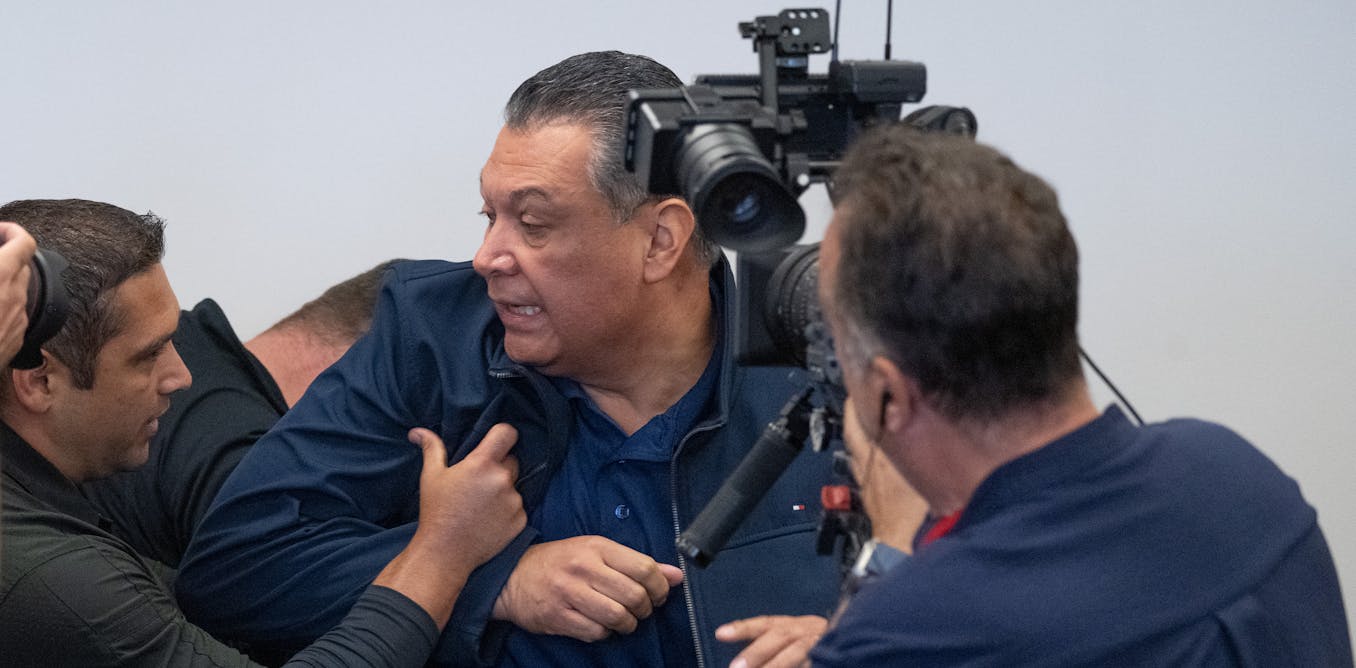
U.S. Senator Alex Padilla’s forceful removal from a Department of Homeland Security (DHS) press conference in Los Angeles on June 12, 2025, has triggered widespread condemnation and ignited a fierce debate regarding political decorum and the balance of power between the executive and legislative branches.The incident, which involved Senator Padilla being handcuffed and escorted off the premises while attempting to question Secretary Kristi Noem about immigration enforcement policies, has prompted calls for examination and renewed scrutiny of the current political climate.
Details of the Incident
The confrontation occurred as secretary Noem addressed the media concerning protests related to immigration enforcement in Los Angeles. Senator Padilla, a democrat representing California, appeared at the conference seeking answers regarding deportation policies that he and other senators had been pursuing for weeks. According to reports, Senator Padilla interrupted Secretary Noem during her prepared remarks, identifying himself and stating his intention to ask a question. Federal agents then surrounded him, leading him out of the room. A video of the incident, posted on X by DHS Assistant Secretary Tricia McLaughlin, showed Senator Padilla protesting his removal, stating, “I am Senator Alex Padilla. I have a question for the secretary.” McLaughlin captioned the video, “Incredibly aggressive behavior from a sitting US Senator. No one knew who he was.”
Did You Know? According to a 2024 Gallup poll, Americans’ trust in the federal government to handle domestic problems has declined to 42%, reflecting growing concerns about governmental overreach and effectiveness.
Reactions and condemnations
The treatment of Senator Padilla has drawn sharp criticism from Democratic leaders and at least one Republican senator. Senator Lisa Murkowski voiced her dismay, while others have called for a thorough investigation into the circumstances surrounding the removal. The incident has amplified concerns about the erosion of political norms and the increasing polarization of American politics. Conversely, some Republicans, like Senator Lindsey Graham, appeared to suggest that Senator Padilla’s actions warranted the response he received, highlighting the deep partisan divide surrounding the event.
Constitutional Protections and Congressional Oversight
Political scientist Charlie Hunt from Boise State University, an expert on Congress, explained that members of Congress possess meaningful oversight power to scrutinize the actions of the executive branch. This includes conducting fact-finding missions and seeking clarity on executive actions that affect their constituents. Furthermore, the Constitution’s speech and debate clause protects members of Congress from being arrested or indicted for statements made in their official capacity. Hunt argues that Senator Padilla’s presence at the press conference was within the bounds of his oversight responsibilities as a senator representing California.
pro tip: Stay informed about your elected officials’ activities and voting records thru websites like GovTrack.us to hold them accountable.
The Role of Political Polarization
Experts suggest that the incident reflects a broader trend of negative partisanship, where voters and politicians are driven by animosity towards the opposing party. This phenomenon, coupled with a decline in political decorum, contributes to an habitat where aggressive confrontations become more commonplace. The normalization of political violence, particularly on the far right, further exacerbates these tensions. A 2024 study by the University of Maryland found that 34% of Republicans believe that violence is sometimes necessary to protect American democracy,a significant increase from previous years (START).
The Trump Factor
Many observers attribute the current state of political affairs to the influence of Donald Trump, whose presidency is characterized as uniquely authoritarian. Trump’s rhetoric and actions have been seen as lowering the bar for acceptable behavior in American politics, contributing to a climate where dissent is suppressed and political opponents are demonized. This normalization of aggression has potentially emboldened the executive branch to act with impunity, further straining the balance of power.
Implications for the balance of power
The incident involving Senator Padilla raises fundamental questions about the relationship between the executive and legislative branches. The historical intent, as articulated by James Madison, was for “ambition to counteract ambition” to prevent any one branch from becoming too powerful. However, the increasing partisanship and perceived decline in Congress’s authority have created an environment where the executive branch may feel emboldened to disregard congressional oversight. The response of congress in the coming days will be crucial in determining whether it intends to reassert its role as an equal branch of government.
Reactions in Congress
Following the incident, Democrats held the Senate floor to demand answers regarding Senator Padilla’s treatment. The reactions of Republican leaders, including Senate Majority Leader John Thune, will be closely watched as they navigate the political fallout. The contrasting responses from senators Murkowski and Graham underscore the partisan divisions that permeate the issue.
| date | event |
|---|---|
| June 12, 2025 | Senator Padilla removed from DHS press conference. |
| June 13, 2025 | Democrats demand answers on senate floor. |
| June 14, 2025 | Calls for investigation intensify. |
Questions for Consideration
What steps can be taken to restore political decorum and foster greater cooperation between the executive and legislative branches? How can citizens hold their elected officials accountable for upholding constitutional principles and respecting the balance of power?
Evergreen Insights: Background, Context, Historical Trends
The relationship between the executive and legislative branches in the United States has always been dynamic, marked by periods of cooperation and conflict. The framers of the Constitution intended for a system of checks and balances to prevent any one branch from becoming too dominant. However, over time, the balance of power has shifted, influenced by factors such as political polarization, social movements, and the personalities of individual leaders. The incident involving Senator Padilla is a symptom of these long-term trends, reflecting a broader erosion of political norms and a growing disregard for the principles of comity and mutual respect.
Historically, Congress has played a vital role in overseeing the executive branch, conducting investigations, and holding officials accountable. However, in recent decades, Congress has faced challenges in fulfilling this role, due to factors such as partisan gridlock, declining public trust, and the increasing complexity of modern governance. As a result, the executive branch has often been able to act with greater autonomy, leading to concerns about the concentration of power and the erosion of democratic accountability.
Frequently Asked Questions
What are the implications of the Senator alex Padilla incident for the future of American politics?
The incident raises concerns about the erosion of political norms and the potential for further polarization. It also highlights the importance of safeguarding the balance of power between the executive and legislative branches.
How does the incident reflect broader trends in American political culture?
The incident is symptomatic of a decline in political decorum, increasing partisanship, and a growing acceptance of aggressive behavior in politics.
What role can citizens play in addressing these challenges?
Citizens can hold their elected officials accountable, demand greater transparency and accountability, and advocate for policies that promote civility and cooperation.
What are the potential legal ramifications of the Senator Alex padilla incident?
Legal experts are divided on whether the actions taken against Senator Padilla violated his constitutional rights or exceeded the bounds of legitimate security measures.
How might this incident affect future relations between the executive and legislative branches?
The incident could further strain relations between the two branches, making it more difficult to find common ground and address pressing national issues.
Disclaimer: This article provides news and analysis and shoudl not be considered legal or political advice. Consult with qualified professionals for specific guidance.
Share your thoughts: How can we foster a more respectful and productive political environment? Subscribe for more updates on critical issues shaping our world.
