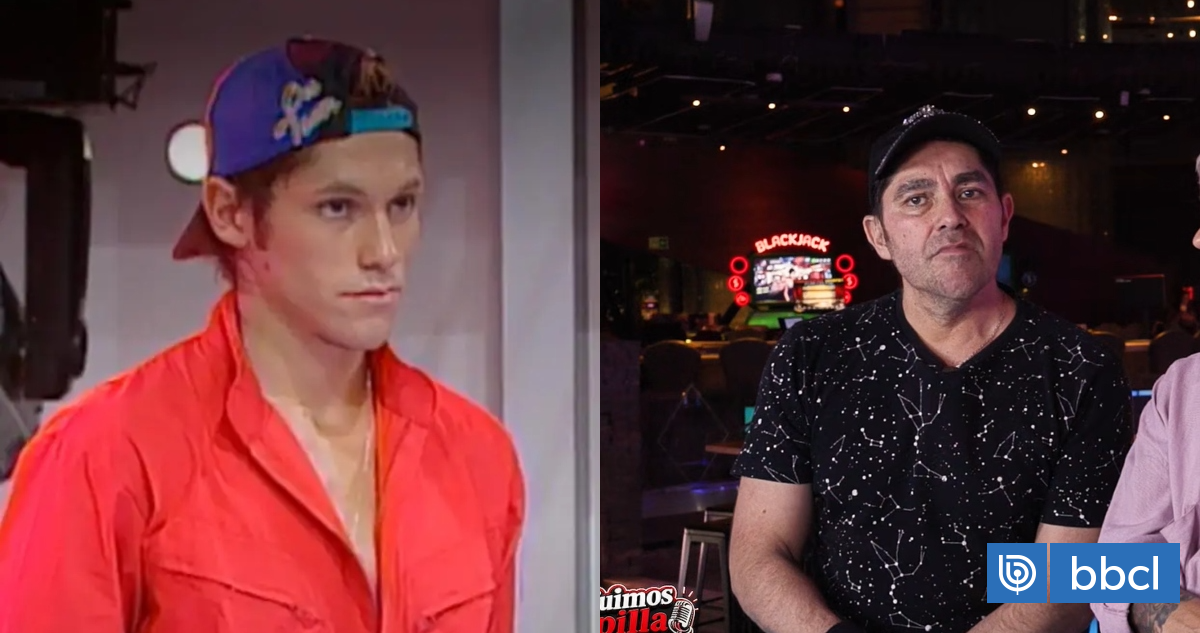
Pablo Vargas discusses addiction and being blacklisted by Chilean TV
Pablo Vargas broke his silence, opening up about a battle with addiction and the professional toll of being blacklisted by the Chilean television industry. Appearing on the podcast Y nos fuimos a la capilla—hosted by Carolina Soto and María Jimena Pereyra—the former Rojo, Fama Contrafama star delivered a stark appraisal of life after the spotlight.
Confronting Years of Chemical Dependency Away from the Cameras
The conversation offered a raw look into the private crises Vargas endured far from public view. For the first time, the dancer addressed his addiction head-on, noting a deliberate choice to avoid turning his struggles into broadcast spectacle.
“I have had addiction problems, this is the first time I say it, but I haven’t gone to TV to say it,” Vargas stated during the interview.
Admitting to a fragile state that persists today, Vargas told Soto and Pereyra, “Now is not a good time. I’m injured, with depression, etc.,” prompting immediate words of encouragement from the hosts.”
Closed Newsroom Doors and the Trap of the Entertainment Label
Life after the TVN show Rojo, Fama Contrafama initially pointed toward an academic pivot. Vargas studied journalism, pouring his efforts into an investigative thesis designed to establish his credibility in hard news.
Instead, he met a brick wall. The entertainment resume became a disqualifier in professional newsrooms.

“Nobody gave me an internship in Chile,” Vargas recounted. “I went to press, because my thesis was investigative, and they told me, ‘No, because you are too associated with entertainment.'”
Exposing Double Standards in Chilean Broadcasting
Vargas leveled a pointed critique at the hypocrisy of television gatekeepers who blocked his entry into journalism.
Those very same professionals who turned him away from news departments are now anchoring morning shows, he noted.
Rigid Industry Stigma and the Weight of Public Perception
Despite ongoing physical and psychological hurdles, Vargas maintained a defiant posture toward the system that rejected him. “And criticize me, that gives me strength,” he said.