
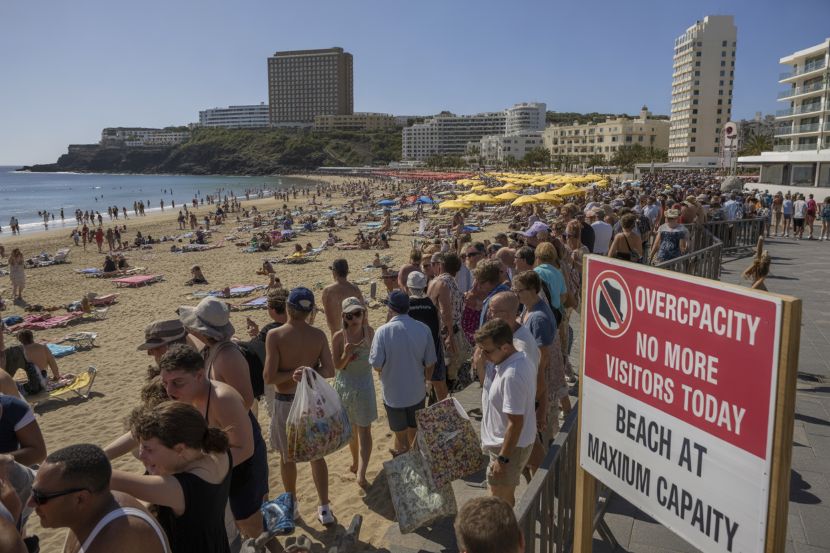
Popular tourist destinations including the Canary Islands, Mexico City, and even Antarctica are facing mounting pressure from overtourism, prompting travel experts to urge caution and a shift towards more sustainable travel practices. The warnings come as Fodor’s Travel Guide released its 2026 “No List,” highlighting locations where tourism is straining local infrastructure, and ecosystems.
The Canary Islands, a long-time favorite among British tourists seeking winter sun, are experiencing a saturation point, according to reports. Local services and infrastructure are struggling to cope with the influx of visitors, leading to protests from residents concerned about overcrowding, rising housing costs, and environmental damage.
Beyond Europe, Mexico City is grappling with similar issues. The city’s popularity with tourists, business travelers, and digital nomads is contributing to gentrification and strain on local resources, according to Fodor’s. A report from February 2026 in the Mirror highlighted a growing backlash against tourists in Mexico City, with some expressing hostility towards visitors.
Even remote destinations are not immune. Antarctica, once considered the pinnacle of adventure travel, is facing increasing pressure as visitor numbers rise. Concerns are growing about the impact of cruise ships and flights on the fragile Antarctic ecosystem, including potential pollution, disturbance to wildlife, and the introduction of diseases. The Antarctic Treaty requires minimal environmental impact from visitors, but increasing access is raising questions about enforcement.
Other destinations on Fodor’s No List include Mombasa, Kenya, where a surge in cruise and resort tourism is contributing to congestion and waste management challenges; Montmartre in Paris, France, where high visitor numbers are impacting local living spaces and driving up prices; Glacier National Park in the USA, threatened by climate change and visitor numbers; and Isola Sacra in Italy and the Jungfrau Region in Switzerland, both facing infrastructure strain and environmental fragility.
Overtourism manifests in several ways, including congestion, longer wait times, environmental degradation, higher living costs for locals, and strain on public services. These issues affect both leisure and business travelers, prompting a need to rethink travel plans.
For leisure travelers, Which means potentially facing crowds and queues at popular sites, elevated accommodation costs due to the prevalence of short-term rentals, and the need for careful planning to minimize environmental impact, particularly in sensitive areas like Antarctica and Glacier National Park. Business travelers are advised to consider timing their trips to avoid peak visitor seasons and to support locally operated services.
Travel experts recommend several steps for responsible travel in 2026, including checking official travel guidance for capacity limits, choosing off-peak seasons, supporting sustainable tour operators and locally owned accommodations, exploring lesser-visited destinations, and respecting local cultures. Prioritizing eco-friendly tours and accommodations, and packing reusable items to reduce waste are also encouraged.
As of February 21, 2026, no official travel restrictions have been implemented for any of the destinations on Fodor’s No List, but the concerns raised highlight the growing need for sustainable tourism practices and responsible travel planning.
