
Dedicated Bone Health Services Substantially Improve osteoporosis Screening & Treatment in Men
A new study published in JAMA Internal Medicine highlights the notable benefits of specialized bone health services for men over 65. The research demonstrates a significant increase in osteoporosis screening rates among men receiving dedicated care compared to those receiving standard medical attention. Specifically, 49% of men in the specialized care group underwent osteoporosis screening, versus only 2% in the standard care group.
The study also revealed that over half of the men tested were diagnosed with either osteoporosis or its early stage, osteopenia. Importantly, over 90% of men in the specialized care group who required treatment adhered strictly to their prescribed medication regimen.
Dr. Colon-emeric, lead researcher, noted that screening men over 65 with at least one additional risk factor identifies a similar proportion needing osteoporosis treatment as seen in women of the same age. She emphasized that the bone health-focused care model led to marked improvements in screening rates, treatment initiation, and patient compliance.
Researchers believe widespread implementation of this model within healthcare systems and larger practices could substantially reduce the incidence of hip fractures and other serious injuries in at-risk adults.
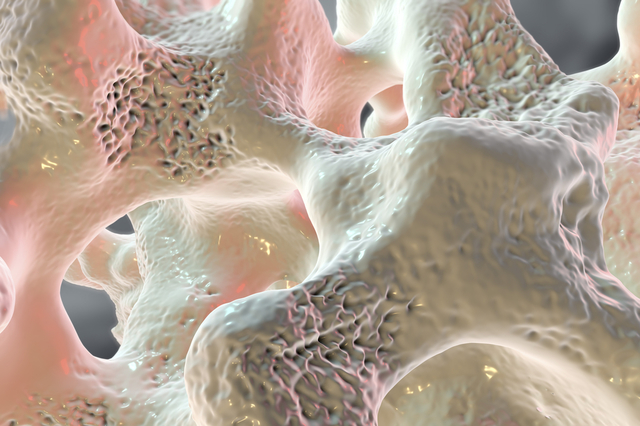
Osteoporosis is a disease characterized by reduced bone density and strength,making bones fragile and increasing fracture risk,particularly in the spine,hips,and wrists. While often asymptomatic initially,weakening bones can be indicated by certain signs. The most serious consequences of osteoporosis are fractures, which can result in chronic pain, hospitalization, disability, depression, diminished quality of life, and increased mortality.
Globally, osteoporosis causes approximately 9 million fractures each year - roughly one fracture every three seconds.In the United States alone, more than 10 million people currently suffer from osteoporosis, and an additional 43 million have low bone mass, a precursor to the disease. Projections indicate that the number of adults with osteoporosis or low bone mass will increase by over 30% by 2030, reaching 71 million.
Experts attribute this growth to lifestyle factors such as smoking, lack of physical activity, and alcohol abuse, alongside an aging population and insufficient attention to the disease. Maintaining a healthy diet and engaging in regular exercise are key strategies for increasing bone density and mitigating risk.
