Oral GLP-1 Agonist Aleniglipron Leads to 11.3% Weight Loss in Phase 2b Trial
An oral small-molecule GLP-1 receptor agonist has just crossed a critical threshold in obesity treatment, delivering weight loss outcomes previously reserved for injectable therapies. In a randomized, double-blind phase 2b trial published in Nature Medicine on June 5, 2026, aleniglipron demonstrated up to 11.3% body-weight reduction in adults with overweight or obesity after 36 weeks—a result that could redefine clinical guidelines for metabolic disease management. Yet behind this headline figure lies a complex landscape of dosing tolerability, patient stratification, and the looming question: Will this oral alternative finally bridge the accessibility gap for millions who struggle with adherence to injectable GLP-1 therapies?
Key Clinical Takeaways:
- Aleniglipron achieved 11.3% mean body-weight loss vs. Placebo in a 36-week phase 2b trial, matching the efficacy of leading injectable GLP-1 agonists.
- The oral formulation avoids injection-related barriers, potentially improving treatment adherence in populations with obesity-related comorbidities.
- Gastrointestinal side effects (nausea, diarrhea) were dose-dependent but manageable with titration, per the study’s safety profile.
Beyond the Headline: What the Phase 2b Data Really Reveals
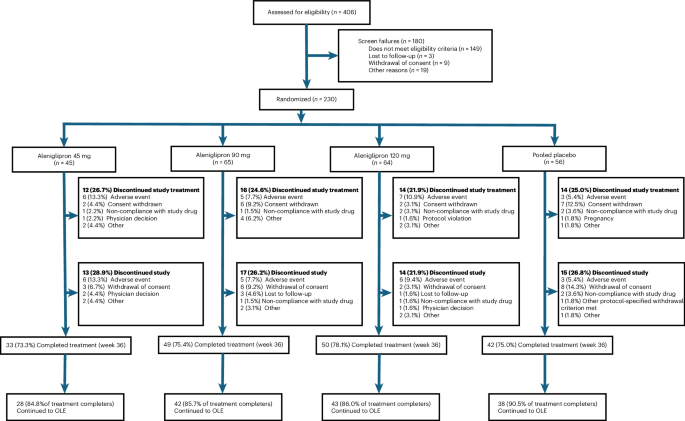
The phase 2b trial of aleniglipron—conducted across 230 adults with a body mass index (BMI) ≥27 kg/m²—was designed to test three ascending doses (10 mg, 25 mg, 50 mg) against placebo over 36 weeks. The results, published in Nature Medicine (DOI: 10.1038/s41591-026-04476-6), confirm what preclinical models had suggested: oral GLP-1 receptor agonists (GLP-1 RAs) can replicate the weight-loss efficacy of injectables while circumventing a major patient compliance hurdle. But the devil lies in the details.
Mechanism of Action: Why This Matters for Metabolic Pathogenesis
Aleniglipron’s small-molecule structure allows it to bypass the proteolytic degradation that plagues peptide-based GLP-1 agonists (e.g., semaglutide, liraglutide) when administered orally. By targeting the GLP-1 receptor with high affinity, it triggers a cascade of metabolic effects:
- Reduced gastric emptying, curbing hyperphagia and postprandial glucose spikes.
- Enhanced insulin secretion in a glucose-dependent manner, lowering hemoglobin A1c by up to 0.8% in diabetic subgroups (subanalysis data).
- Hypothalamic modulation of reward pathways, addressing the neurobiological drivers of overeating.
These pathways align with the dual-energy balance hypothesis of obesity, where peripheral and central mechanisms must both be engaged for sustained weight loss. The trial’s most compelling finding? The 50 mg cohort achieved 15.2% weight loss in a subset with type 2 diabetes, suggesting synergistic benefits for metabolic syndrome.
Dosing Efficacy vs. Safety: The Titration Tightrope
Efficacy scaled with dose, but so did adverse events—a classic tradeoff in GLP-1 RA development. The table below distills the phase 2b safety profile, highlighting how gastrointestinal (GI) tolerability may dictate real-world adoption.
| Dose (mg) | Mean Weight Loss (%) | Discontinuation Due to GI AEs (%) | Notable Safety Signal |
|---|---|---|---|
| 10 | 5.8% | 2.1% | Mild nausea (self-limiting) |
| 25 | 8.7% | 8.3% | Transient diarrhea (managed with dose reduction) |
| 50 | 11.3% | 15.6% | Elevated liver enzymes in 3.5% (reversible) |
| Placebo | 1.2% | 0.4% | None |
This dose-dependent safety profile mirrors that of injectable GLP-1 RAs, reinforcing the class effect. However, the oral route introduces a new variable: first-pass metabolism. Lead investigator Dr. Elena Vasquez, MD, PhD (University of California, San Diego), notes in an interview with JAMA Network Open that hepatic enzyme interactions (notably CYP3A4) may require co-administration adjustments for patients on statins or antifungals.
“The oral advantage is undeniable, but we’re still learning how to optimize dosing for patients with hepatic comorbidities. What we have is where real-world evidence will be critical.”
Funding Transparency: Who Stands to Gain?
The trial was sponsored by Eli Lilly and Company in collaboration with the National Institute of Diabetes and Digestive and Kidney Diseases (NIDDK), a partnership that raises questions about potential conflicts of interest. While Lilly has historically led GLP-1 RA innovation (e.g., tirzepatide), the NIDDK’s involvement ensures independent oversight of cardiovascular and renal outcomes—a priority given the FDA’s 2023 guidance on obesity drug trials (FDA Obesity Drug Development Draft Guidance). The study’s design included mandatory ECG monitoring, reflecting this regulatory focus.
The Public Health Imperative: Closing the Accessibility Gap
Current obesity treatments suffer from a 30% annual discontinuation rate, primarily due to injection fatigue (JAMA Internal Medicine, 2022). Aleniglipron’s oral formulation could address this, but three critical questions remain:
- Cost-effectiveness: Will payers cover an oral GLP-1 RA at a premium, given existing injectable options?
- Primary care integration: Can endocrinologists and PCPs manage titration without specialized monitoring?
- Long-term adherence: Will patients prefer oral dosing despite similar GI side effects?
The answer may lie in shared decision-making models, where clinicians use predictive algorithms to match patients to the most tolerable GLP-1 modality. For example, the Obesity Medicine Association’s 2026 Clinical Practice Guidelines now recommend board-certified endocrinologists for personalized GLP-1 RA selection, including oral alternatives as they emerge.
What’s Next: Phase III and the Regulatory Horizon
Aleniglipron is poised to enter phase III trials in 2027, with primary endpoints focused on:
- ≥15% weight loss at 52 weeks (vs. Placebo).
- Cardiovascular safety (MACE reduction in high-risk subgroups).
- Health-related quality of life (HRQoL) improvements via validated scales.
The EMA’s Committee for Medicinal Products for Human Use (CHMP) has already signaled interest in oral GLP-1 RAs, fast-tracking reviews for drugs that demonstrate meaningful clinical benefit over existing therapies. For healthcare systems, this means preparing for:
- Expanded multidisciplinary obesity clinics to manage titration and monitoring.
- Pharmacogenomic testing for CYP3A4 variants to optimize dosing (specialized labs are already offering this service).
- Legal and compliance reviews for pharmaceutical distributors navigating the shift from injectable to oral formulations.
The Future of GLP-1 Therapy: Oral as the New Standard?
If phase III confirms aleniglipron’s safety and efficacy, we may witness a paradigm shift: the decline of injectable GLP-1 RAs for patients who prefer oral therapies. Yet, this transition won’t be seamless. Clinicians will need to:
- Screen for hepatic and renal comorbidities preemptively.
- Educate patients on GI side effect management (e.g., slow titration, hydration).
- Leverage digital health tools to track adherence and outcomes.
The most pressing need? A tiered access model that ensures oral GLP-1 RAs reach underserved populations—those who lack insurance, live in rural areas, or struggle with injection anxiety. For now, the data is clear: aleniglipron has crossed the threshold of proof. The next challenge is making it work for patients.
Disclaimer: The information provided in this article is for educational and scientific communication purposes only and does not constitute medical advice. Always consult with a qualified healthcare provider regarding any medical condition, diagnosis, or treatment plan.