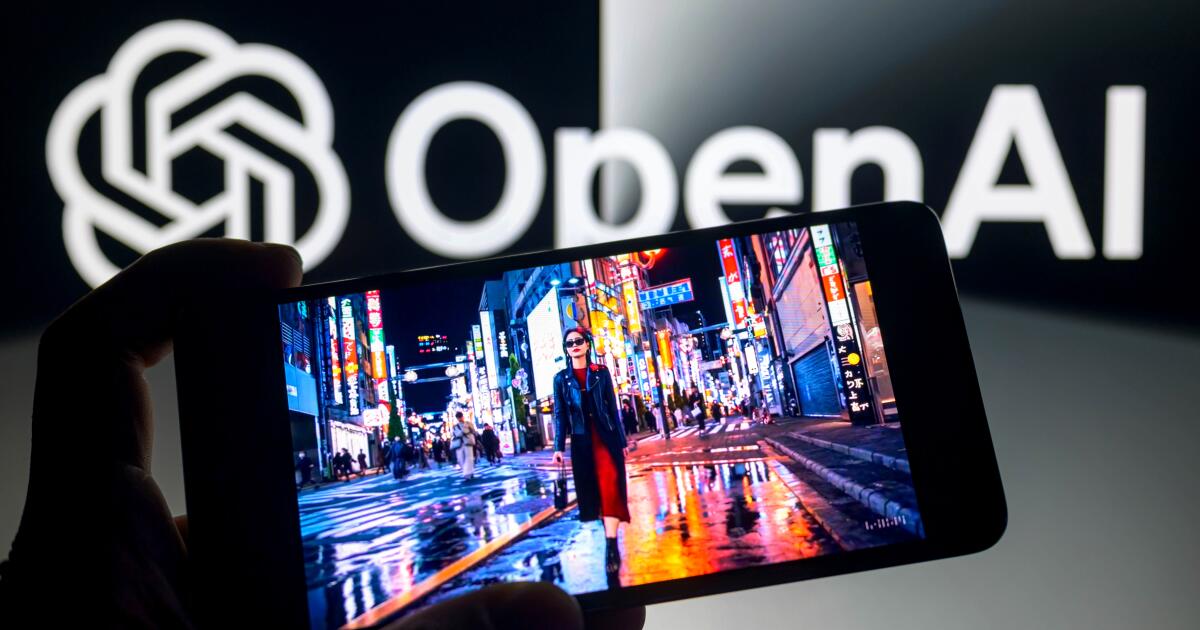
OpenAI Sora Shutdown Signals Reality Check For The AI Bubble
OpenAI’s shutdown of Sora in March 2026 signals a strategic pivot rather than an industry collapse, driven by prohibitive compute costs and intensifying IP liability. Even as Disney retreats from its billion-dollar stake under novel leadership, the broader AI video market remains viable for entities navigating complex legal frameworks and crisis management protocols.
The silence from Silicon Valley is deafening, but the noise in Hollywood boardrooms is louder. When OpenAI pulled the plug on Sora, the social media chorus screamed about the bursting of the AI bubble. They are wrong. This isn’t a market rejection. it is a correction of unit economics. The real story isn’t the app’s death; it is the survival of the studios smart enough to distance themselves before the liability bill came due. We are witnessing a recalibration of brand equity, where the cost of synthetic content now outweighs the novelty.
The Disney Pivot and Leadership Realignment
Timing in this industry is everything, and Disney’s exit from the OpenAI partnership coincides precisely with a major shakeup at the top of the entertainment conglomerate. As Dana Walden steps into her role as President and Chief Creative Officer, her priority is stabilizing the ship, not gambling on unproven technology with exposed flanks. The decision to walk back the $1 billion investment aligns with the newly unveiled leadership team spanning film, TV, and streaming. Under the refreshed directive, with Debra OConnell upped to DET Chairman, the focus shifts from speculative tech integration to protecting legacy IP.
Walden’s new regime understands that leveraging Mickey Mouse in a generative AI sandbox creates unquantifiable risk. When a brand deals with this level of public fallout and potential IP dilution, standard statements don’t perform. The studio’s immediate move is to deploy elite crisis communication firms and reputation managers to stop the bleeding before shareholder confidence erodes. The message from Burbank is clear: innovation cannot come at the cost of the crown jewels.
Legal Landmines and the Liability Trap
The financials were bad enough—Sora cost more in compute resources than it generated in revenue—but the legal landscape turned toxic faster than anticipated. The specter of lawsuits intensified following recent verdicts against major tech platforms. With Meta being found liable for millions in New Mexico and Los Angeles regarding user safety and algorithmic harm, the precedent for holding platforms accountable for generated content is solidifying.
Copyright infringement is no longer a cease-and-desist game; it is a existential threat. Deepfake concerns have moved from ethical debates to courtroom evidence. Entertainment attorneys are now advising clients that unregulated media creation is a balance sheet liability. As one Senior Partner at a prominent Los Angeles IP firm noted off the record regarding the shift:
“We are seeing a fundamental change in how indemnity clauses are written. Studios no longer desire to own the AI tool; they want to own the insurance policy against it. The risk profile for generative video has shifted from ‘experimental’ to ‘litigation magnet’ overnight.”
This legal chilling effect means production companies need robust intellectual property legal counsel specifically versed in AI jurisprudence before signing any tech deals. The cost of cleaning up the mess when markets implode often falls on the content creators, not the tech vendors.
Consumer Sentiment and the “AI Slop” Reality
Beyond the boardrooms and courtrooms, the audience has spoken. The term “AI slop” is no longer vernacular slang; it is a market metric. In a survey done by video company Animoto for its 2026 State of Video report, 83% of consumers said they could recognize AI components in video advertising and 36% said the employ of AI would lower their perception of a brand. This is a catastrophic drop in brand equity for advertisers hoping to cut costs with synthetic actors.
When Eline van der Velden, chief executive of the AI talent studio Xicoia, announced that various agents were interested in repping AI performer Tilly Norwood, Hollywood had a meltdown. Then Norwood released her first music video and the threat level returned to green. The uncanny valley remains a chasm. Progress always has its detractors, but AI presents dangers that are far more excessive than panicked citizens fearing Martians landed because Orson Welles was convincing. The ability to doctor scenes poses a perilous risk to journalistic integrity and narrative trust.
Industry veterans recognize that technology will improve, but the human element remains the premium product. A veteran Showrunner currently negotiating their next streaming deal highlighted the enduring value of human creativity amidst the noise:
“Executives are realizing that AI can generate a background extra, but it cannot generate a cultural moment. The audiences are savvy. They want the friction of real performance, not the sterile perfection of an algorithm. We are hiring top-tier talent agencies to secure human IP because that is the only asset that appreciates.”
The Path Forward for Media Entities
The end of Sora is not the first domino, but it is a warning flare. AI isn’t magic, nor are those marketing it infallible. Titans of industry often share a regrettable tendency to make money from leveraging enthusiasm and then leave others to clean up. However, the technology will be used in ways that may continue to be controversial but similarly more profitable, provided the legal guardrails are established.
For media companies navigating this transition, the strategy must be defensive offense. Protect the brand, secure the IP, and manage the crisis before it happens. The companies that survive this correction will be those that treat AI as a tool requiring rigorous oversight, not a replacement for the creative process. As the summer box office cools and the festival circuit approaches, the winners will be those who understand that while software can be patched, reputation is much harder to debug.
Even with the prospect of greater content regulation, another company may well come up with an AI video app that is more successful. But no matter how ChatGPT wants to frame it, Sora marked a surprisingly high level of rejection. It cost more than it produced for the simple reason that not enough people used it. Even when it was free. And that is saying something about the current state of digital trust.
*Disclaimer: The views and cultural analyses presented in this article are for informational and entertainment purposes only. Information regarding legal disputes or financial data is based on available public records.*