
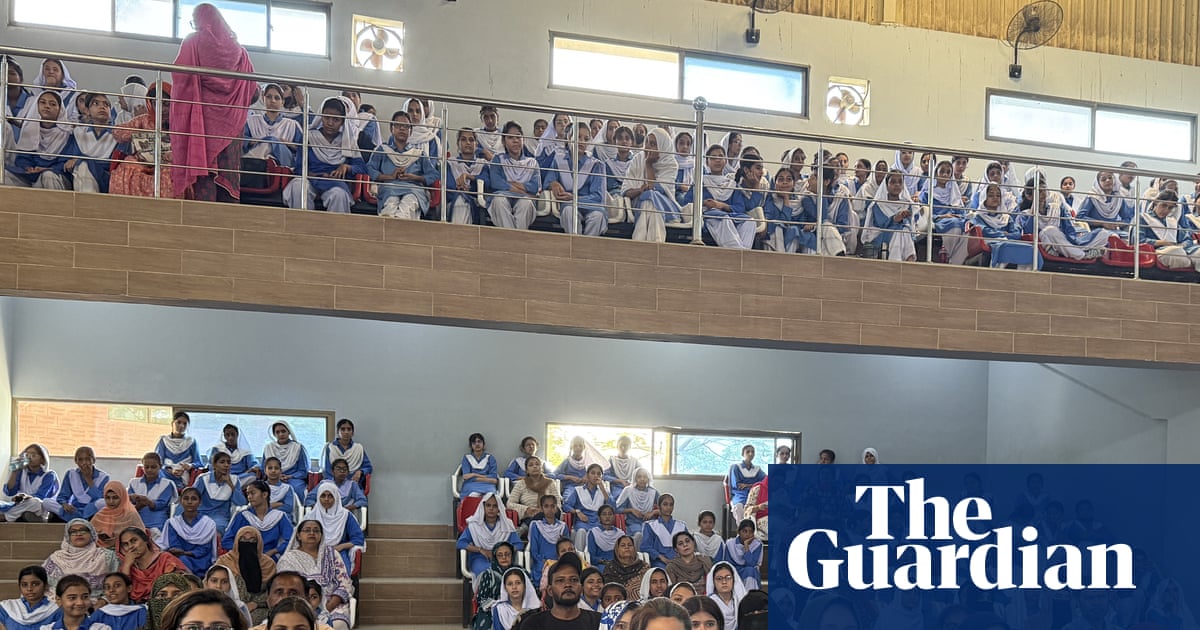
Pakistan Launches Nationwide HPV Vaccination Program to Protect Millions of Girls
Islamabad, Pakistan – Pakistan has initiated a nationwide campaign to vaccinate millions of girls against the human papillomavirus (HPV), a major cause of cervical cancer, marking a significant step forward in preventative healthcare for the country.The rollout, begining this month, aims to reach girls aged 9-14, offering a single dose of the HPV vaccine to provide lasting protection.
Cervical cancer is the fourth most common cancer among women globally, with over 600,000 new cases and 340,000 deaths reported in 2020. In Pakistan, the disease poses a substantial health burden, frequently enough diagnosed at advanced stages due to limited awareness and screening access. This new initiative addresses these challenges head-on, offering a proactive solution to reduce the incidence of cervical cancer and save lives. The programS success hinges on overcoming low awareness of both the cancer and the vaccine itself, as highlighted by a 2021 study at Aga Khan University hospital in Karachi, which found that while 61% of patients had heard of cervical cancer and 47% were aware of smear tests, only 25% knew a vaccine existed.
The program’s implementation comes after years of advocacy from health professionals and organizations dedicated to women’s health. Dr. Ahsan, a leading advocate, emphasizes that “strengthening screening and treatment is equally critical,” alongside vaccination efforts. The single-dose strategy, recently endorsed by the world Health Organization, simplifies logistics and increases program feasibility, notably in resource-constrained settings like Pakistan.
Despite working within the healthcare system,some professionals like Asghar,only recently became aware of the HPV vaccine after noticing it on a child’s immunization record. She expressed surprise, stating she “had never heard of this vaccine” and later learned about the cancer and the previous high cost of the vaccine. This underscores the need for broader education within the medical community itself.
The rollout offers hope for a future generation of girls, but also highlights the challenges faced by those who are now too old to benefit. Bhurgri, a woman who was diagnosed with cervical cancer despite regular screenings, attributes her late diagnosis to a lack of awareness among doctors. “I was only sent for an HPV test when it was too late,” she recounts, emphasizing the importance of early detection and improved medical knowledge.
the Pakistani government is committed to expanding access to this life-saving vaccine, aiming to protect millions of girls and significantly reduce the impact of cervical cancer in the years to come.
