Ohio Communities Launch Statewide Petition to Ban Rapid Expansion of AI Data Centers
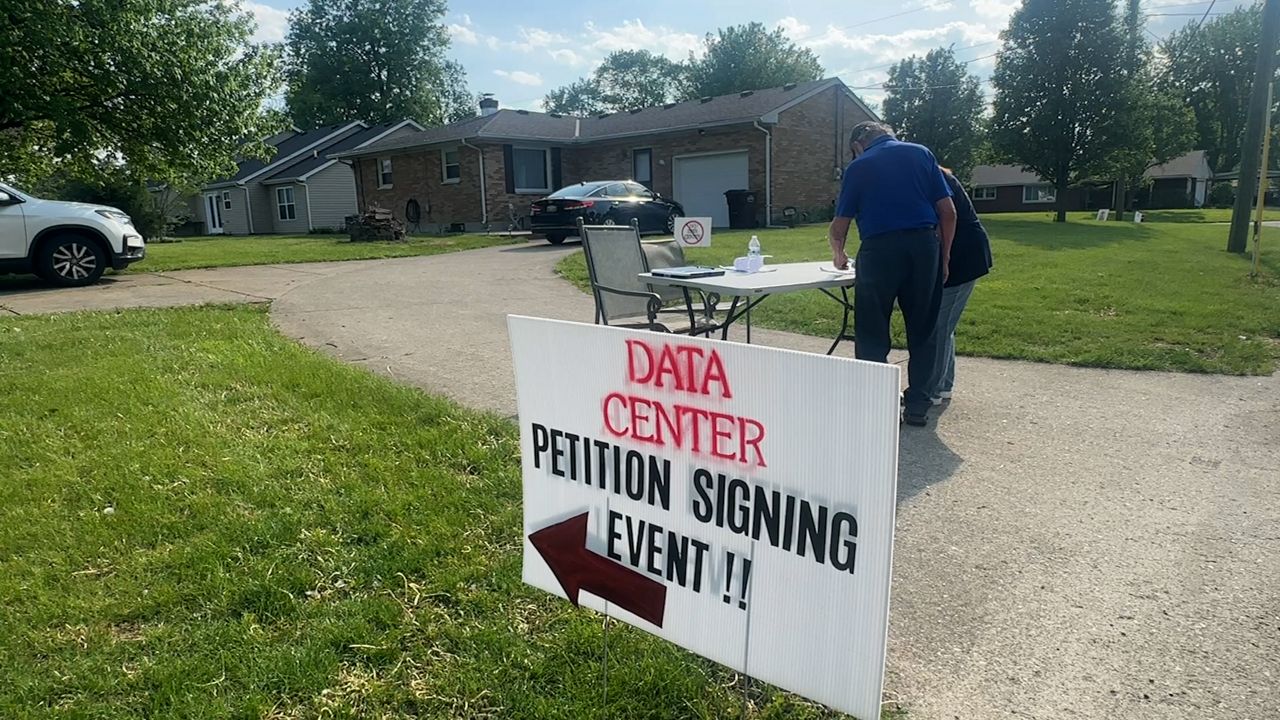
On April 24, 2026, residents of Trenton, Ohio, joined a growing statewide movement opposing the rapid construction of AI data centers, citing concerns over water consumption, grid strain, and lack of local oversight, as communities demand greater transparency and regulatory control before further development proceeds.
The Hidden Cost of AI Infrastructure
What began as isolated protests in Trenton has evolved into a coordinated effort led by the Ohio Environmental Council and local township trustees to halt AI data center expansion until comprehensive environmental impact studies are completed. The movement gained momentum after residents learned that a single 100-megawatt AI facility can consume up to 1.5 million gallons of water daily for cooling—equivalent to the usage of 10,000 households—placing unsustainable strain on municipal aquifers already stressed by agricultural runoff and aging infrastructure.
Ohio’s appeal to tech companies stems from its relatively low energy costs, central geographic location, and recent tax incentives under the 2023 Ohio Innovation Zone Act, which offers property tax abatements for up to 15 years for qualifying data center projects. However, critics argue these incentives were drafted without adequate input from local governments or environmental agencies, leaving communities to bear the burdens of increased power demand and water withdrawal without meaningful compensation or oversight.

“We’re not against progress—but we are against being treated as sacrificial zones for corporate convenience. When a data center uses more water in a day than our entire town uses in a week, and we had no say in its approval, that’s not development—it’s extraction.”
The conflict highlights a growing disconnect between state-level economic development strategies and municipal capacity to manage critical infrastructure. In nearby Dayton, city officials reported a 22% increase in industrial water requests over the past 18 months, with AI data centers accounting for nearly 60% of that surge. Meanwhile, the Ohio Power Siting Board approved three modern transmission line projects in Q1 2026 specifically to support anticipated data center load, raising concerns about eminent domain use and fragmented forest habitats along proposed corridors.
Who Steps In When Growth Outpaces Governance?
As legal challenges mount, residents are turning to specialized professionals to navigate the complex interplay of environmental law, utility regulation, and municipal planning. Communities seeking to challenge improperly cited projects often consult land use and environmental attorneys who specialize in defending local zoning rights against state-preempted industrial projects. These lawyers help file appeals with the Ohio Board of Tax Appeals or initiate citizen suits under the National Environmental Policy Act when federal funding or permits are involved.
Simultaneously, municipalities overwhelmed by technical assessments are engaging independent infrastructure consultants to conduct third-party reviews of utility impact studies, water withdrawal models, and grid load forecasts—services that provide critical counter-analysis to developer-submitted projections. In Trenton, such a review revealed discrepancies in the developer’s claimed water recycling rate, prompting the township to request a formal hearing before the Ohio Environmental Protection Agency.
For towns aiming to proactively shape policy rather than react to projects, civic engagement facilitators and municipal law advisors are being retained to draft model ordinances that require public referendums for developments exceeding certain thresholds in water or energy use—tools already adopted in cities like Boulder, Colorado, and Maricopa County, Arizona, where similar conflicts have arisen.
The pushback in Ohio is not merely about stopping construction—it’s about redefining who gets to decide what counts as progress in the age of artificial intelligence. As AI infrastructure scales at unprecedented speed, the real test lies not in technological capability, but in whether democratic institutions can evolve fast enough to protect public resources without stifling innovation. For communities navigating this tension, the path forward begins with access to trusted, verified expertise—precisely the kind of professionals listed in the World Today News Directory, where accountability meets action.