NVIDIA Showcases the Future of Physical AI and Graphics at SIGGRAPH 2026
NVIDIA SIGGRAPH 2026: Scaling Agentic AI and Physical Simulation
At SIGGRAPH 2026 in Los Angeles, NVIDIA unveiled a suite of architectural advancements focused on bridging the gap between neural rendering, physical simulation, and agentic workflows. The rollout includes the Cosmos 3 world foundation model platform, the Synthetic Video Detector NIM microservice, and expanded Model Context Protocol (MCP) integration for creative software suites.
The Tech TL;DR:
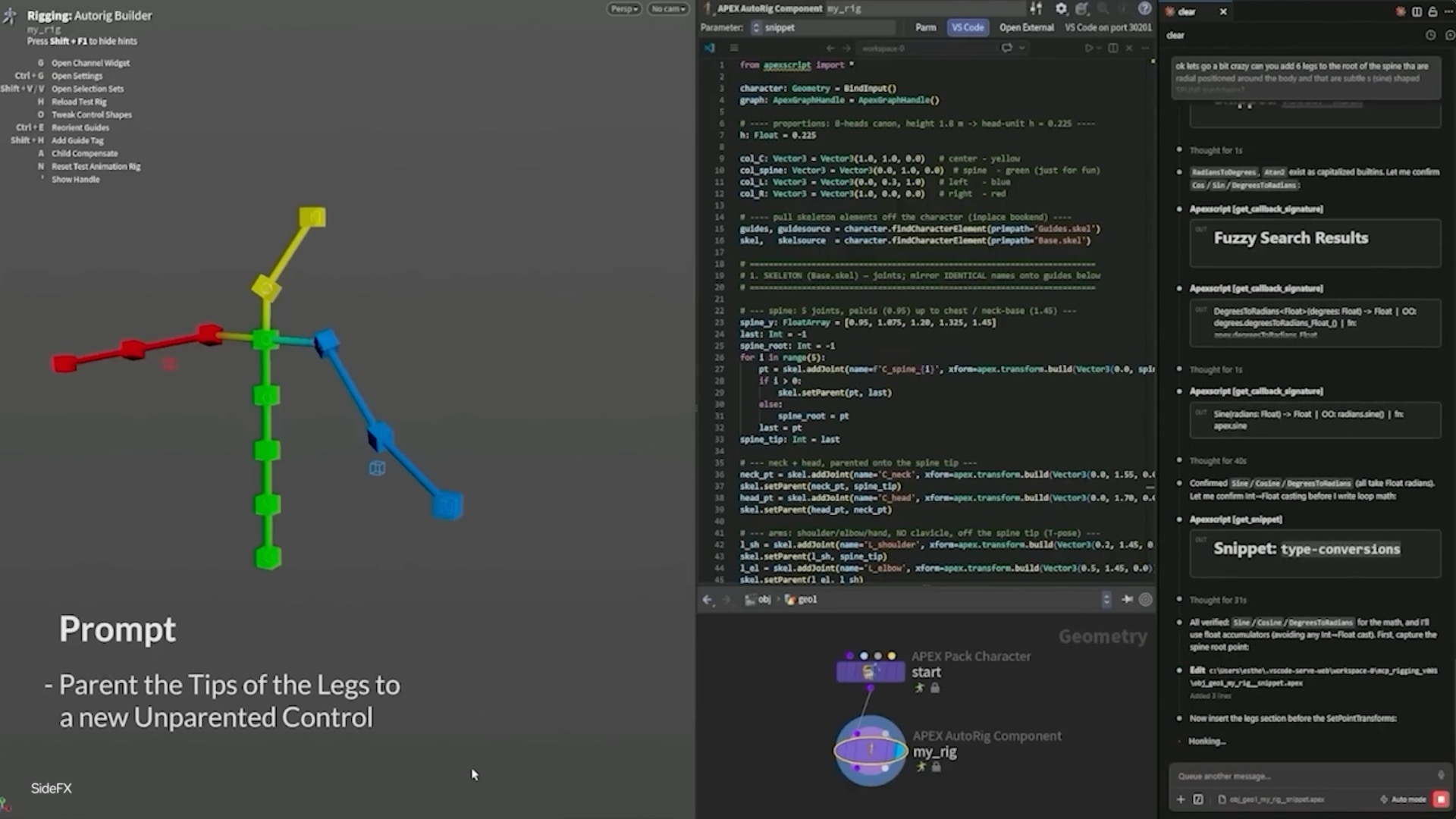
- Agentic Integration: Creative tools like Blender, Unreal Engine, and Adobe Creative Cloud are adopting the Model Context Protocol (MCP), allowing local AI agents to execute multi-step workflows directly within production environments.
- Physical AI at the Edge: The newly released Cosmos 3 Edge (4B parameter) model brings frontier-level world understanding to local hardware, including NVIDIA Jetson and RTX PRO workstations, without requiring constant cloud connectivity.
- Verification Infrastructure: A new Synthetic Video Detector NIM microservice provides real-time, frame-by-frame classification of synthetic content, designed for integration into newsroom and broadcast pipelines to maintain editorial provenance.
Architectural Shifts in Neural Rendering and Physics
NVIDIA’s engineering leadership, including Edward Liu and Neil Ashton, emphasized that modern simulation must transition from simple visual representation to physically grounded behavior. The current research focus is on achieving 4K temporal stability in real-time rendering while simultaneously compressing model checkpoints by up to a million-fold, a prerequisite for running simulations within a one-second latency window.
The introduction of the Cosmos 3 platform represents a significant shift toward a “mixture-of-transformers” architecture. According to Ming-Yu Liu, this allows a single backbone to handle diverse tasks—prediction, simulation, and action—across different embodiments, such as humanoid robots or autonomous vehicles. The implementation of Cosmos 3 Edge is specifically optimized for memory-constrained environments, providing a 4-billion-parameter model that can be deployed on-device.
Below is a conceptual representation of how an agent might trigger an inference task on an edge device using the local NIM architecture:
# Example: Triggering a synthetic detection inference task

curl -X POST http://localhost:8000/v1/detect -H "Content-Type: application/json"

-d '{"video_path": "/data/ingest/clip_001.mp4", "threshold": 0.85}'
Scaling Agentic Workflows via MCP
The integration of the Model Context Protocol (MCP) marks a departure from siloed AI plugins. By standardizing how agents interact with creative tools, NVIDIA is enabling what it terms “super agents” on the desktop. This ecosystem approach allows agents to inspect scenes, manage textures, and validate pipeline rules without leaving the local workstation environment.
For enterprises managing high-stakes creative pipelines, the reliance on local compute—powered by DGX Station and RTX PRO hardware—is a strategic move to minimize latency and ensure data sovereignty.
Cybersecurity and Synthetic Media Verification
The release of the Synthetic Video Detector NIM microservice arrives as media organizations face increasing pressure to verify content integrity. The model provides a classifier score for video frames, reaching up to 92% accuracy on uncompressed footage. Crucially, the service remains performant even after re-encoding and compression, which is standard in social-video distribution.

This detection layer is not intended as a standalone solution but as a signal for editorial triage. As broadcasters move to integrate these detection APIs, IT departments are advised to consult with [Cybersecurity Auditing Firm] to ensure that the integration points between video ingest frameworks (like Wowza) and the NIM microservice are protected against adversarial input injection.
The Future of Localized Intelligence
The trajectory of this technology indicates a move toward “owning your own intelligence.” By packaging the model, harness, and runtime into a single deskside unit (DGX Station), NVIDIA is attempting to commoditize the deployment of large-scale AI for creative and engineering teams.

Professional development agencies like [AI Integration & DevOps Agency] are currently assisting teams in migrating from legacy Python-based automation to MCP-compliant agentic workflows to leverage the full stack of Omniverse-linked tools.