
A Nation Anxious: Greenland Grapples with the Shadow of Potential U.S. Acquisition
The once distant possibility of Greenland being acquired by the United States has cast a long shadow over the island nation, stirring a level of national anxiety unseen in recent history. Avaaraq Olsen, the Mayor of Nuuk, recently acknowledged the unprecedented unease gripping Greenlanders following former U.S. President Donald Trump’s expressed interest in purchasing the world’s largest island. This isn’t simply a political discussion; its a deeply personal threat to the identity and future of a people.
The Roots of the Anxiety: A History of Self-Determination
To understand the depth of the current concern, it’s critical to understand Greenland’s unique historical trajectory.For centuries, Greenland was a Danish colony. However, the pursuit of self-determination has been a consistent theme in Greenlandic society. In 1979, Greenland gained Home Rule from denmark, granting it significant autonomy, including control over natural resources. This marked a pivotal step toward greater independence.
further bolstering national identity, in 2009, Greenland adopted an Act on Self-Government, expanding its autonomy even further. While defense and foreign affairs remain largely the responsibility of denmark, Greenland now has significant control over its internal affairs. The Greenlandic language, Kalaallisut, has been actively promoted and revitalized, becoming the official language. This strengthening of cultural identity is precisely what feels threatened by the prospect of being absorbed by another nation, even one as powerful as the United States. The fear isn’t simply about a change in governance; it’s about the potential erosion of a carefully cultivated cultural and national identity.
trump’s Overture and the Collective Response
The current crisis stems from public statements made by Donald Trump during his presidency. In 2019, Trump reportedly inquired about the possibility of the United States purchasing Greenland, even going so far as to suggest it could be a strategic asset. His comments, characterized by phrases like obtaining Greenland “by a transaction,” were met with swift and widespread condemnation in Greenland.
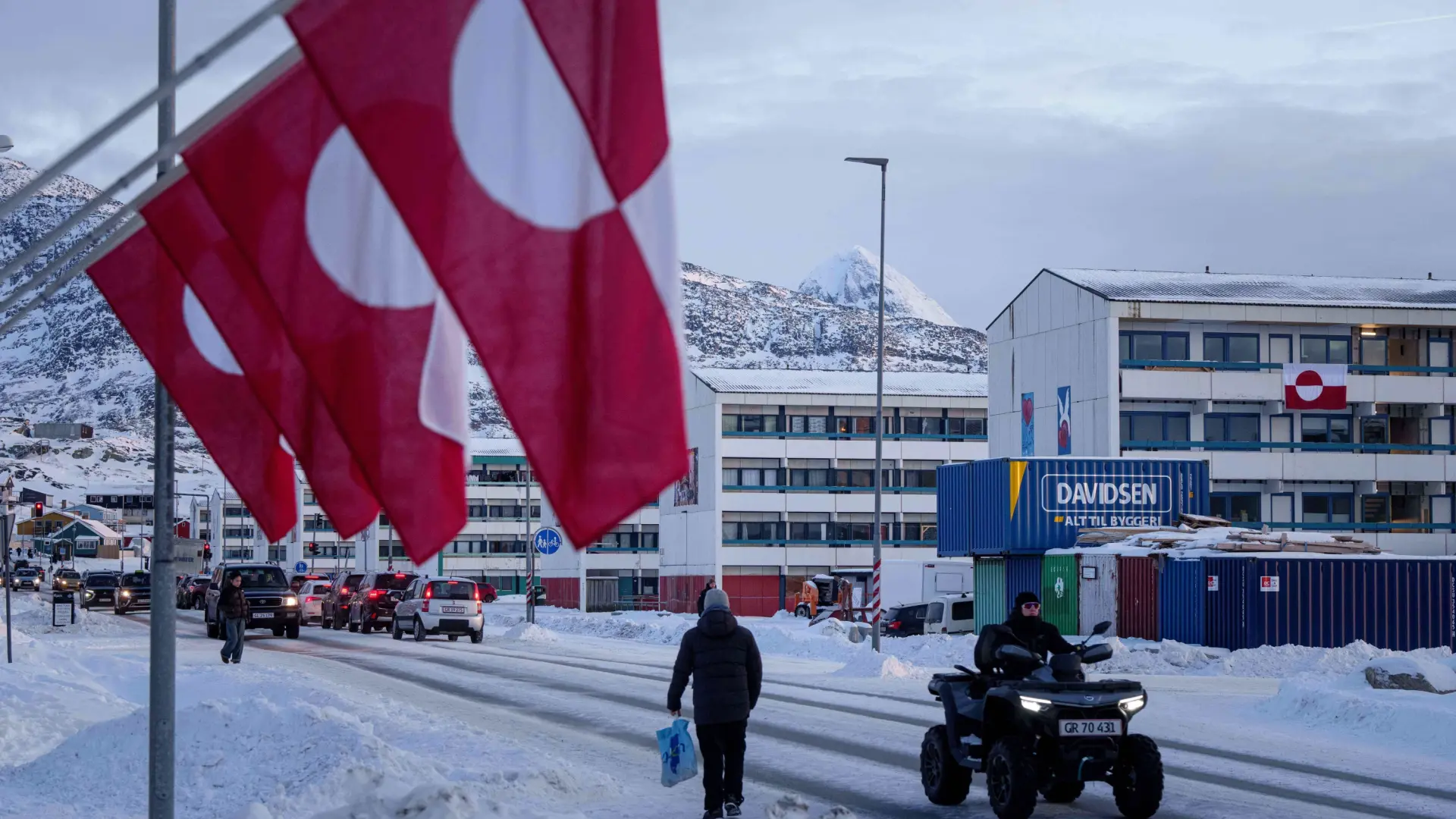
Avaaraq Olsen highlighted a significant shift in national sentiment. For the frist time, Greenlanders began to genuinely fear losing their national identity. This sentiment wasn’t expressed through large-scale protests or demonstrations – Greenlandic society is traditionally reserved – but through a quiet, firm determination to defend their sovereignty.Olsen’s call for municipal employees to display the Greenlandic flag, even outside of national holidays, served as a potent symbol of this resolve. The visible ubiquity of the flags, appearing in windows and on buildings, communicated a powerful message: Greenlanders are willing to defend what they hold dear.
The Human Cost: Anxiety, Stress, and Impact on Children
Beyond the political ramifications, the possibility of acquisition has taken a tangible toll on the mental health of Greenlanders. Olsen reported a significant increase in anxiety attacks among citizens, particularly as Trump’s rhetoric escalated. People worried about potential military conflict and the possibility of being forced to leave their homeland.
Perhaps most concerning is the impact on children. Schools have had to address student anxieties, with teachers sending guidance to parents on how to talk to their children about the situation and reassure them. This highlights the profound ripple effect of geopolitical events on the everyday lives of individuals, and particularly vulnerable populations. The very stability and future that parents hope to provide for their children has been cast into doubt.
recent Developments and a Brief Respite
Following a meeting between Danish, Greenlandic, and U.S. officials, there’s been a slight easing of tensions. Olsen acknowledged a sense of relief, describing the situation as a “roller coaster” that has become less intense. However,the underlying anxiety remains. The damage has been done, and the experience has fundamentally altered the national consciousness in Greenland.
Why Greenland Matters: Strategic Importance & Resources
Understanding the reasons behind the U.S. interest in Greenland is crucial. Several factors contribute to Greenland’s strategic importance:
- Strategic Location: Greenland’s location in the North Atlantic makes it a strategically vital point for monitoring and potential military operations. It sits close to both North America and Europe, providing a critical vantage point.
- Climate Change & Resource Access: As climate change melts the Arctic ice cap, Greenland is becoming increasingly accessible, revealing potential access to significant mineral resources, including rare earth minerals essential for modern technology.
- National Security: In a world of evolving geopolitical challenges, control over Greenland could provide a strategic advantage in terms of defense and intelligence gathering.
While resource extraction is often cited, the strategic geopolitical location undoubtedly plays a significant role in fostering external interest.
Looking Ahead: Greenland’s Future
The recent events have served as a wake-up call for Greenland, galvanizing a stronger sense of national identity and a determination to chart its own course. While complete independence from Denmark remains a long-term goal, the experience has underscored the importance of actively asserting Greenland’s sovereignty. The discussion about potential future partnerships and alliances will need to involve Greenlanders at the forefront,ensuring their interests are prioritized.
The situation also highlights the broader challenges facing small nations in a world dominated by powerful geopolitical forces. Greenland’s experience serves as a powerful reminder of the importance of international law and the right to self-determination. The next chapter in greenland’s story will likely be defined by a renewed commitment to preserving its unique culture, strengthening its economy, and navigating the complex geopolitical landscape with a firm resolve to remain Greenlandic.
Key takeaways
- The possibility of U.S. acquisition of Greenland has triggered widespread anxiety and a heightened sense of national identity.
- Greenland’s journey towards self-determination over the past decades has made the prospect of losing sovereignty particularly threatening.
- The mental health impact of the situation, particularly on children, is a significant concern.
- Greenland’s strategic location and potential access to resources make it a point of geopolitical interest.
- The events underscore the importance of protecting the right to self-determination for all nations.
