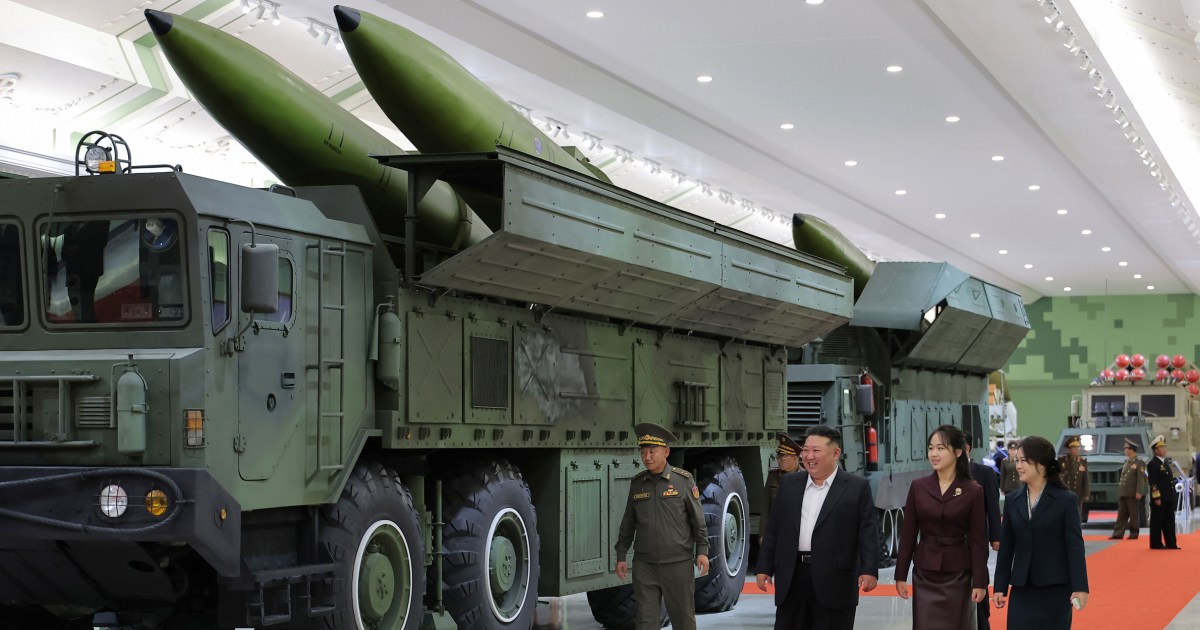
North Korea’s State Media Says Submarine Cruise Missiles Tested
Submarine-Launched Cruise Missiles Fired Off East Coast
North Korea test-fired two types of submarine-launched strategic cruise missiles in its eastern waters on Wednesday. State media reported the launch on Thursday, marking another step in the country’s naval weapons expansion during a prolonged diplomatic freeze with Seoul and Washington.
The Korean Central News Agency announced that the launches were designed to evaluate the readiness of underwater combat systems. They aimed to improve the navy’s strategic mission capabilities and demonstrate the reliability of the nation’s nuclear deterrent. The state report characterized the weapons as strategic, an indicator of plans to arm them with nuclear warheads. However, it did not clarify whether the missiles left an actual submarine or an underwater testing platform.
A Escalating Pattern of Regional Weapons Tests
The launch follows a series of recent weapons tests by Pyongyang. On October 12, the North’s Missile Administration conducted a test of a tactical ballistic missile to verify an upgrade to a key component. The Korean Central News Agency described it as a big success for offensive weapons performance.
The U.S. Pacific Command confirmed tracking two ballistic missiles launched on October 12. In a statement, it noted that the event posed no immediate threat to U.S. territory, personnel, or allies while regional consultations continued.
South Korean military authorities suggested the mid-October ballistic launches were a response to Seoul’s own hypersonic glide vehicle test conducted the previous week. Those October tests followed hypersonic missile demonstrations on September 20 and October 3. Pyongyang stated those were aimed at penetrating missile defense systems in South Korea and Japan.

Border Tensions and Landmine Investigations
Tensions along the inter-Korean border have remained elevated since a September 21 landmine detonation inside the Demilitarized Zone injured three South Korean soldiers, two critically. A joint investigation by Seoul and the United Nations Command concluded that North Korean forces deliberately planted the explosives. Pyongyang rejected those findings as fabricated and warned of retaliation against any countermeasures.
Skepticism Over Stealth Ambitions and Sanctioned Economy
While North Korea has spent years developing underwater-launched ballistic and cruise missiles alongside reported progress on a nuclear-powered submarine, outside observers question its capabilities. They ask whether the heavily sanctioned economy possesses the resources and technical foundation for such stealth systems.
Leader Kim Jong Un has halted diplomacy and cooperation with South Korea, labeling it a permanent enemy. He has also rejected overtures from U.S. President Donald Trump to revive negotiations that stalled in 2019. Pyongyang continues to demand that Washington drop its denuclearization prerequisites and abandon what it terms a hostile policy before any talks resume.