
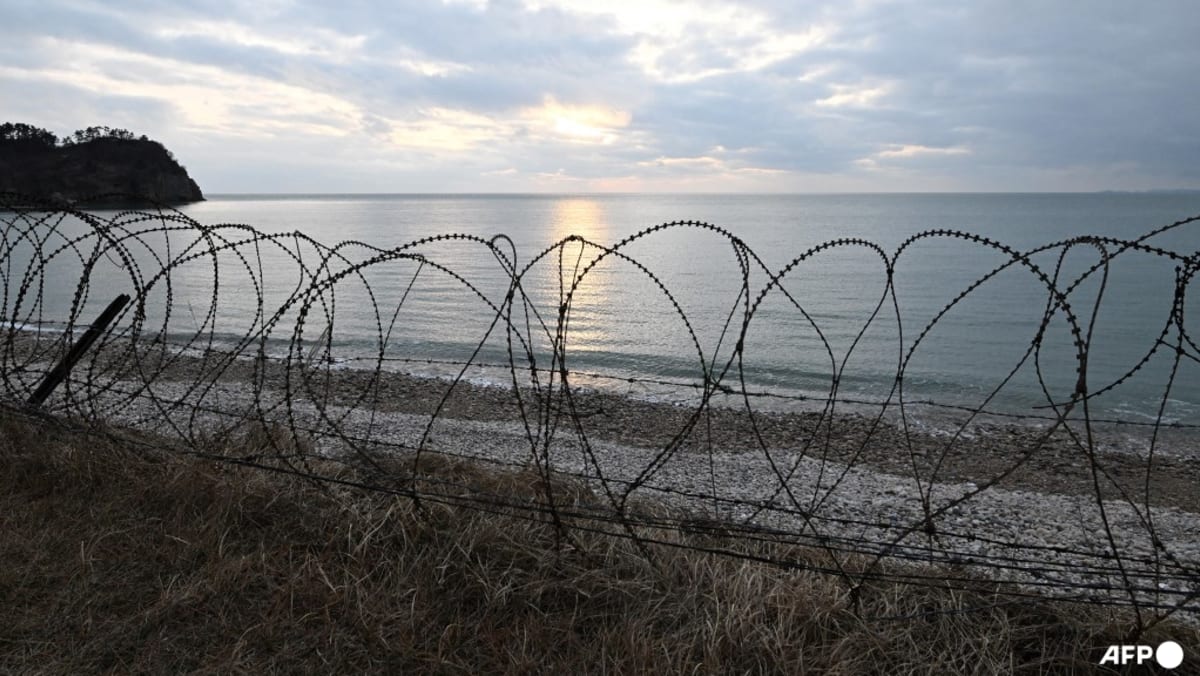
North Korean Defector Rescued After Daring Swim to Freedom
Seoul, South Korea – A North Korean citizen was rescued by South Korean authorities after successfully swimming across the heavily guarded sea border separating the two Koreas. The defector, reportedly utilizing a makeshift flotation device, undertook the perilous journey on the night of July 30th, according to a statement released by South Korea’s Joint Chiefs of Staff on Thursday.
The individual was discovered near the Northern Limit Line, the de facto maritime boundary in the Yellow Sea. South Korean naval forces initiated a ten-hour rescue operation, successfully bringing the defector to safety around 4 a.m. on July 31st. The defector explicitly expressed a desire to defect to South Korea when approached by South Korean personnel.
Details surrounding the defector’s method of crossing remain notable. Local media reports indicate the individual was tethered to a piece of styrofoam during the swim, highlighting the desperation and resourcefulness employed in the attempt to reach freedom. The Northern limit Line has historically been used by North Korean defectors seeking passage to Ganghwa Island, a South Korean territory close to the North Korean coast.
This latest defection underscores the ongoing risks individuals take to escape North Korea. While most North Korean defectors transit through China and other third countries before reaching South Korea, direct crossings, though rare, demonstrate the enduring desire for freedom and a better life. Tens of thousands of North Koreans have fled thier homeland as the Korean War, seeking refuge in the South.
{
"@context": "https://schema.org",
"@type": "FAQPage",
"mainEntity":[
{
"@type": "Question",
"name": "What is the Northern Limit Line and why is it significant for North Korean defections?",
"acceptedAnswer": {
"@type": "Answer",
"text": "The Northern Limit Line is the de facto maritime border between North and South Korea. It's a risky route for defectors, but it offers a direct path to South Korean territory, particularly Ganghwa Island."
}
},
{
"@type": "Question",
"name": "How common are direct sea crossings by North Korean defectors?",
"acceptedAnswer": {
"@type": "Answer",
"text": "Direct sea crossings are relatively uncommon. Most North Korean defectors travel overland through China and other countries before reaching south Korea, making this method more dangerous but perhaps faster."
}
},
{
"@type": "Question",
"name": "What challenges do North Korean defectors face when attempting to reach South Korea?",
"acceptedAnswer": {
"@type": "Answer",
"text": "Defectors face immense challenges, including the risk of capture by North korean authorities, dangerous sea conditions, and the difficulties of navigating the border. The use of makeshift flotation devices highlights the desperation involved."
}
},
{
"@type": "question",
"name": "What is the typical route taken by North Korean defectors?",
"acceptedAnswer": {
"@type": "Answer",
"text": "the most common route involves traveling overland to China, then to a third country like Thailand, before finally entering South Korea. This route is longer but generally considered safer than a direct sea crossing."
}
},
{
"@type": "Question",
"name": "How many north Koreans have defected to South Korea since the Korean War?",
"acceptedAnswer": {
"@type": "Answer",
"text": "Tens of thousands of North Koreans have defected to South Korea since the Korean War, seeking political freedom and economic chance. The number fluctuates yearly, but the desire for a better life remains strong."
}