
Contraceptive Access Varies Wildly by State
A new report reveals a stark division across the United States regarding access to reproductive healthcare, with significant disparities emerging based on state-level policies.
State Policies Create a Patchwork of Access
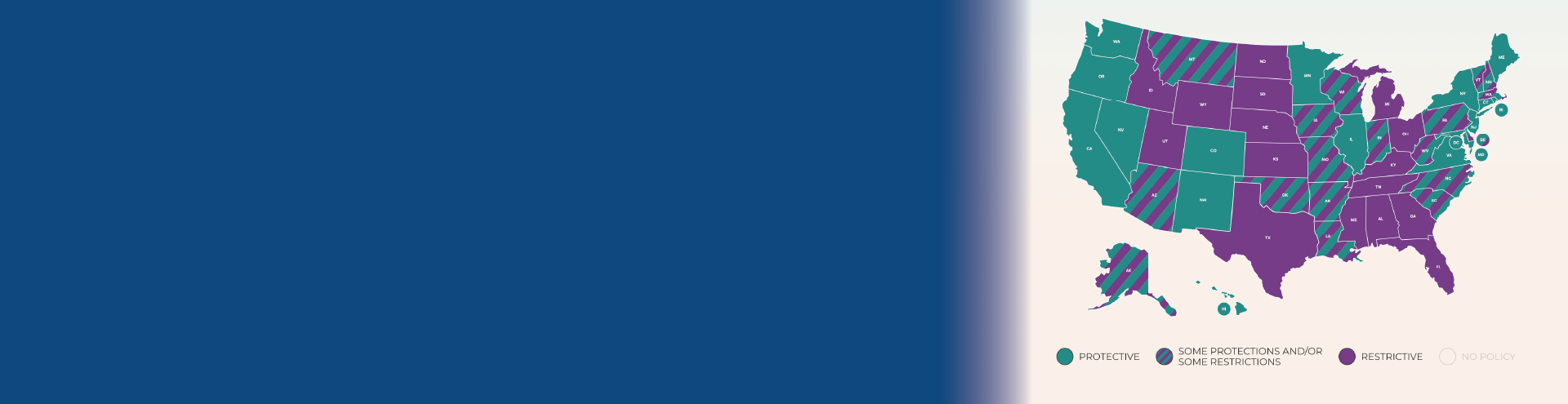
A groundbreaking scorecard from the Population Reference Bureau (PRB) indicates that only 16 states and Washington D.C. offer broad protections for contraceptive access. In contrast, 16 other states actively restrict it, leaving the remaining 18 with a mix of policies. This creates a system where an individual’s ability to obtain contraceptives hinges on their geographical location.
Medicaid Cuts Threaten Access for Millions
The PRB’s findings arrive at a critical juncture, as a new legislative act is poised to reduce Medicaid funding by over $1 trillion. This measure is projected to result in approximately 17 million Americans losing health coverage within the next decade. Compounding these concerns, nine states have trigger laws that could end Medicaid expansion if federal funding drops, and three more are mandated to review their expansion status. Furthermore, a recent Supreme Court ruling prevents patients from suing states that block Medicaid funding to qualified contraceptive providers, directly imperiling access for those reliant on the program, the largest public payer for family planning.
“Freedom, Health, and Possibility” at Stake
“Broad access to contraceptive care is essential to helping people live with more freedom, health, and possibility,” stated **Jennifer Sciubba**, President and CEO of PRB. “At a time when federal policies protecting contraceptive access are crumbling, understanding state-level policies has never been more important. This new scorecard reveals the spectrum of contraceptive access in our country–from states where birth control is free and easy to obtain, to states where it’s prohibitively expensive and restricted. Where you live shouldn’t determine your access to contraceptives, yet that is the reality for millions of Americans.”
Protective States Lead with Medicaid Expansion
California and Washington stand out as the states with the most comprehensive contraceptive policies. Other states with highly protective measures include Connecticut, New York, New Mexico, Maryland, and Oregon. Notably, all states categorized as “Protective” have adopted Medicaid expansion under the Affordable Care Act.
Restrictive States Show Significant Policy Gaps
Conversely, Kansas, Mississippi, Florida, Alabama, and Wyoming are identified as having the most restrictive policies. Kansas received the lowest score overall due to a combination of restrictive measures and substantial policy omissions. None of these states have expanded Medicaid through the ACA.
Policy Decisions Directly Impact Well-being
“The scorecard shows that states have tremendous power to shape contraceptive access through legislative decisions,” explained **Christine Power**, senior policy advisor at PRB and co-author of the scorecard. “Decisions on whether to expand Medicaid, require insurance coverage, or allow teens confidential access to contraceptive care all directly impact residents’ health and well-being. We know that access to contraception has wide-ranging economic mobility and health benefits, including improving maternal and infant health outcomes and reducing rates of unintended teen pregnancy.”
Federal Policies Weaken, State Protections Crucial
The PRB scorecard also highlights growing federal threats to contraceptive access. Executive orders in 2025 have rolled back protections, Title X funding faces disruptions, and the ACA contraceptive mandate is under continuous legal challenge. Coupled with federal Medicaid cuts and the Supreme Court’s recent ruling, the federal landscape’s instability elevates the importance of state-level safeguards.
Data Empowers Advocates for Reproductive Equity
“As the federal landscape for sexual and reproductive health and rights becomes increasingly uncertain, understanding state-level policies is more important than ever,” said **Cathryn Streifel**, senior program director at PRB and co-author of the scorecard. “This scorecard gives advocates and policymakers the comprehensive data they need to identify policy gaps and make evidence-based decisions that will advance reproductive health equity in their communities and across the country.”
