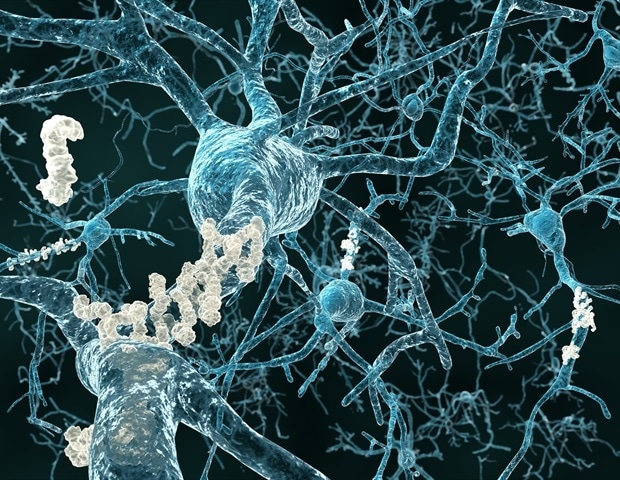
New Insights Into the Molecular Origins of Alzheimer’s Tau Tangles
The neurodegenerative landscape of Alzheimer’s disease has long been defined by the presence of tau protein aggregates, yet the precise biochemical “spark” that initiates these toxic tangles has remained elusive. New research published in Nature identifies a critical molecular mechanism involving the neuroproteasome, fundamentally shifting our understanding of how intracellular debris transitions into pathogenic filaments. This discovery offers a high-resolution view of protein homeostasis failure, providing a potential roadmap for therapeutic intervention long before clinical cognitive decline manifests.
Key Clinical Takeaways:
- Researchers have identified that the neuroproteasome—a specialized protein degradation machine in neurons—fails to clear specific tau variants, triggering the formation of paired helical filaments.
- The study highlights that this process is highly dependent on the APOE genotype and the biological age of the neuronal environment, explaining why certain populations face higher risk.
- This mechanism provides a concrete molecular target for future drug development, potentially moving beyond current amyloid-beta-focused therapies to address the root of tau-mediated neuronal death.
The pathogenesis of Alzheimer’s disease is characterized by a “double-hit” of proteinopathy: the accumulation of extracellular amyloid-beta plaques and intracellular neurofibrillary tangles composed of hyperphosphorylated tau. While amyloid-beta has dominated the pharmaceutical pipeline for decades, the failure of numerous clinical candidates to halt cognitive decay has forced a pivot toward tau. As noted in the National Institutes of Health (NIH) database, the complexity of tau isoforms necessitates a nuanced approach to drug design, particularly regarding the clearance of misfolded proteins.
The recent study, funded by a combination of the National Institute on Aging and independent research grants, reveals that the neuroproteasome is not merely a bystander in neuronal health. When this complex fails to process tau effectively, the resulting accumulation creates a feedback loop of toxicity. This is particularly relevant for individuals carrying the APOE-ε4 allele, a known genetic risk factor that appears to exacerbate the inefficiency of these proteasomal pathways. For patients currently managing early-stage cognitive impairment, understanding the underlying genetic profile is no longer a research luxury but a clinical necessity. Families seeking to parse the implications of their genetic risks should prioritize consultations with board-certified neurologists who specialize in early-onset and genetic neurodegeneration.

The shift toward targeting the neuroproteasome represents a move from treating symptoms to addressing the failure of the cell’s internal waste management system. By stabilizing the proteasome’s ability to recognize and degrade tau, we may be able to prevent the nucleation of these tangles before they cross the threshold of permanent damage.
From a clinical perspective, this discovery addresses a significant gap in our ability to predict disease progression. Current diagnostic standards, such as those outlined by the World Health Organization for dementia care, rely heavily on symptomatic assessment and neuroimaging. However, these methods often detect disease only after significant neuronal death has occurred. The ability to measure neuroproteasomal efficiency or tau-clearance markers could, in the future, provide a more robust biomarker profile for patients in the prodromal stages of the disease. Practitioners at leading advanced diagnostic imaging centers are already exploring how to integrate emerging fluid biomarkers with existing PET-scan protocols to refine patient prognosis.
The following table outlines the clinical progression of tau-related research as it moves from cellular models toward therapeutic targets:
| Research Phase | Focus Area | Clinical Objective |
|---|---|---|
| Pre-Clinical (Current) | Neuroproteasome/Tau Interaction | Mechanism mapping and pathway identification |
| Phase I/II (Upcoming) | Targeted Proteasome Activation | Safety, dosage, and bio-availability in human subjects |
| Phase III (Long-term) | Biomarker-Driven Intervention | Efficacy in delaying or reversing tau-mediated cognitive decline |
Translating these molecular findings into a clinical standard of care requires navigating the stringent regulatory environments of the FDA and EMA. Pharmaceutical entities and research labs focusing on protein degradation therapies are currently under intense pressure to demonstrate safety profiles that avoid systemic immune responses. To ensure these innovations reach the patient population without years of administrative delay, firms are increasingly leveraging the expertise of healthcare compliance attorneys to streamline the transition from laboratory bench to clinical trial recruitment.
The trajectory of Alzheimer’s research is undeniably moving toward individualized, mechanism-based medicine. As we uncover the specific triggers for tau tangles, the “one-size-fits-all” approach to dementia care is being replaced by strategies informed by genetics, proteomic integrity, and early-stage intervention. The future of geriatric health lies in the ability to identify these molecular failures in real-time, allowing clinicians to intervene with precision therapies. Patients and their caregivers should remain engaged with the latest peer-reviewed literature and maintain a proactive relationship with their primary care teams to ensure that when these new diagnostic and therapeutic tools become available, they are positioned to benefit from them immediately.
Disclaimer: The information provided in this article is for educational and scientific communication purposes only and does not constitute medical advice. Always consult with a qualified healthcare provider regarding any medical condition, diagnosis, or treatment plan.