New Heart Failure Treatment Calculator Predicts Effects on Kidney Function and Blood Pressure
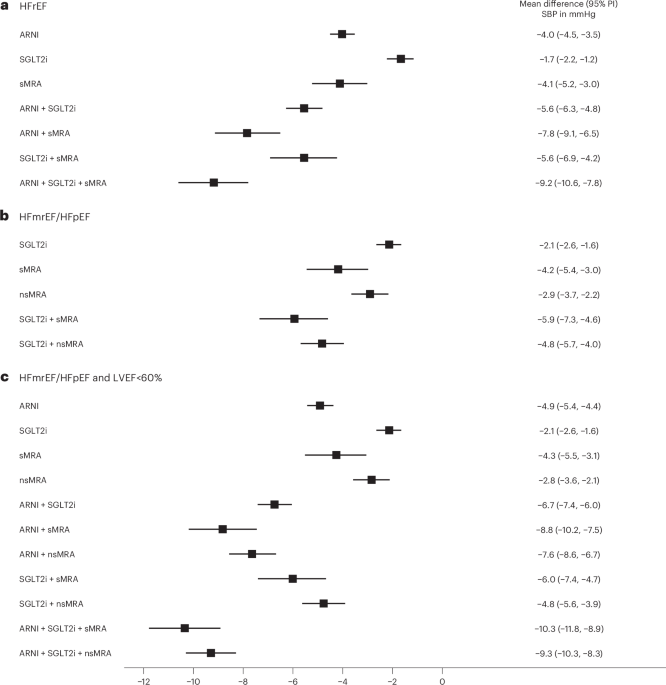
A cross-trial analysis published on August 31, 2026, in Nature Medicine utilizes data from 38,753 participants across nine clinical trials to estimate the short-term effects of comprehensive medical therapies for heart failure on blood pressure, kidney function, and serum potassium levels. Unveiled concurrently at the European Society of Cardiology (ESC) Congress, the research introduces a predictive heart failure treatment effect calculator designed to guide safer drug initiation and optimize personalized patient care.
Massive Cross-Trial Analysis Targets Heart Failure Dilemmas
The analysis aggregates individual patient data from 38,753 participants across nine pivotal heart failure trials. The newly developed treatment calculator forecasts physiological impacts on blood pressure, glomerular filtration rates, and serum potassium. Findings aim to bridge clinical gaps by enabling clinicians to anticipate adverse pharmacological interactions and adjust dosages proactively.
Balancing Benefits and Risks in Guideline-Directed Care
Clinicians must balance the cardiovascular benefits of these drugs against the risks of worsening renal function or hyperkalemia. To address this diagnostic and therapeutic hurdle, researchers developed a predictive model to quantify these physiological shifts before they manifest clinically.
Pooling Trial Data for Predictive Modeling
The study, featured in Nature Medicine, leverages advanced analytics on a massive scale. By pooling data from nearly 39,000 trial participants, the computational model isolates how various drug combinations alter baseline systolic blood pressure, estimated glomerular filtration rates, and potassium concentrations.
This empirical foundation allows healthcare professionals to simulate multiple treatment trajectories tailored to an individual’s baseline renal and hemodynamic profile.
Clinical Integration and Subspecialty Oversight
The integration of this predictive tool into cardiology practices supports more precise risk stratification. When initiating complex regimens, healthcare providers can identify patients at elevated risk for abrupt electrolyte imbalances or hypotensive episodes.

The Evolving Landscape of Precision Cardiology
As cardiovascular research advances toward precision medicine, tools capable of synthesizing large-scale trial data into actionable chairside insights mark a substantial evolution in chronic disease management.
Future iterations of the calculator may incorporate broader demographic cohorts and additional biochemical parameters, expanding its utility across diverse clinical environments. Ensuring that healthcare facilities adopt these data-driven models safely requires ongoing collaboration between clinical investigators and specialized cardiovascular healthcare providers.
Related reading
- Stanford Researchers Use Urinary Cell-Free RNA to Detect Bladder Cancer Recurrence
- TikToker Ly Pham Apologizes for Blocking Views at Blackpink Concert
- Personalized Breast Cancer Treatment and Care at Ochsner Health (archyde.com)
- Legal Cannabis' 3.7% Yearly Heart Failure Gap Is About 8 Per 100,000 (daybreakwire.com)