
New Species, Including a Carnivorous Sponge, Discovered in Southern Ocean Depths
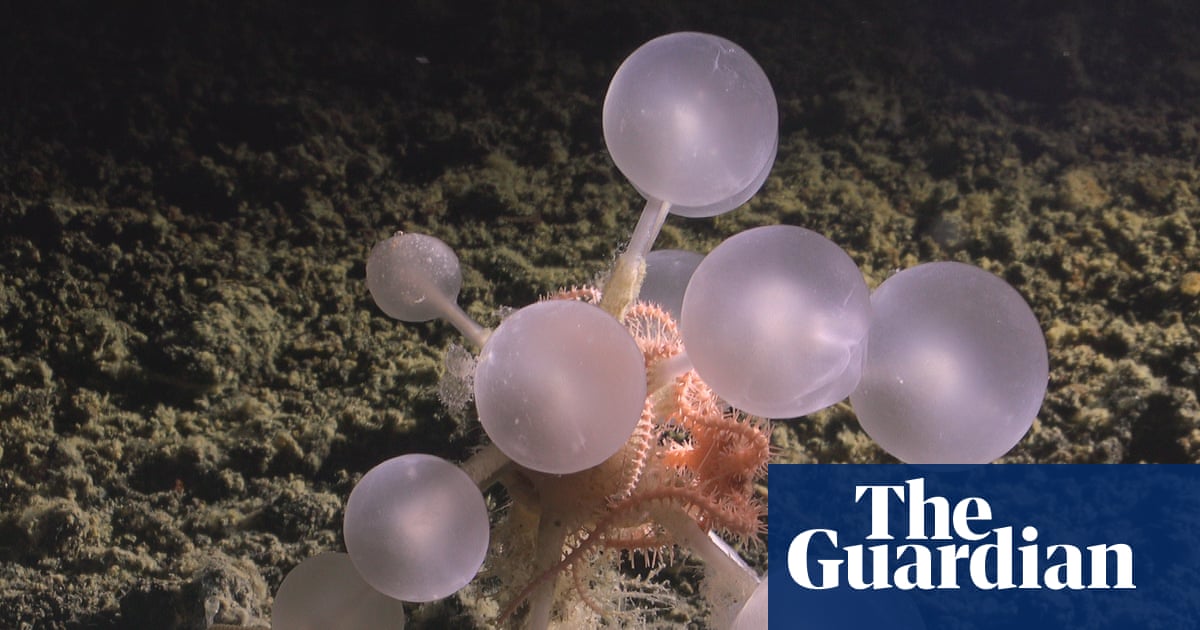
WELLINGTON, New Zealand – A groundbreaking ocean census has revealed a wealth of previously unknown species thriving in the remote depths of the Southern ocean, including a unique, spherical sponge that actively hunts its prey - a behavior rarely observed in sponges. The discoveries, announced today, underscore the critical biodiversity of this underexplored region and highlight the urgent need for continued research as the ocean faces increasing threats from climate change.
Researchers, conducting a series of expeditions as part of the Nippon Foundation-Nekton Ocean Census, collected nearly 2,000 specimens representing 14 animal groups. Among the most remarkable finds is Chondrocladia sp nov, a sponge distinguished by its spherical shape and surface covered in tiny hooks used too trap and consume small organisms, diverging from the typical passive filter-feeding method of most sponges.The expeditions also yielded the first confirmed video footage of a juvenile colossal squid, offering a rare glimpse into the life cycle of this elusive giant.
The Southern Ocean, encircling Antarctica, remains one of the least explored environments on Earth. This latest research, utilizing high-definition video and extensive specimen collection, provides crucial insights into the unique ecosystems hidden beneath the waves. The findings emphasize the region’s role as a biodiversity hotspot and a vital component of the global ocean system, notably in regulating climate and supporting marine life.
“These discoveries are a testament to how much remains unknown about our oceans,” said researchers involved in the project. “The Southern Ocean is a critical piece of the puzzle when it comes to understanding the health of our planet,and continued exploration is essential.”
The Ocean Census initiative aims to accelerate the discovery and understanding of ocean life, providing a baseline for conservation efforts and informing policies to protect these fragile ecosystems.Further expeditions are planned to continue documenting the biodiversity of the Southern ocean and other understudied marine environments.
