New Biological Age Tests: Predicting Disease Risk via Blood Signatures
Researchers have developed new proteomic profiling tools capable of predicting chronic disease risk and biological age by analyzing specific protein signatures in human blood plasma. According to a study published in Nature Medicine, these signatures correlate with organ-specific aging patterns, offering a potential window into subclinical pathology before traditional diagnostic symptoms manifest.
Key Clinical Takeaways:
- Biological age metrics derived from plasma proteins can identify “fast agers” who are at elevated risk for heart disease, kidney failure, and cognitive decline.
- The research, led by scientists at Stanford University, utilized machine learning to isolate 204 specific proteins that track aging in individual organs.
- These diagnostic tools aim to shift medicine from reactive symptom management to proactive, longitudinal monitoring of organ-specific senescence.
The Mechanism of Plasma Proteomic Aging
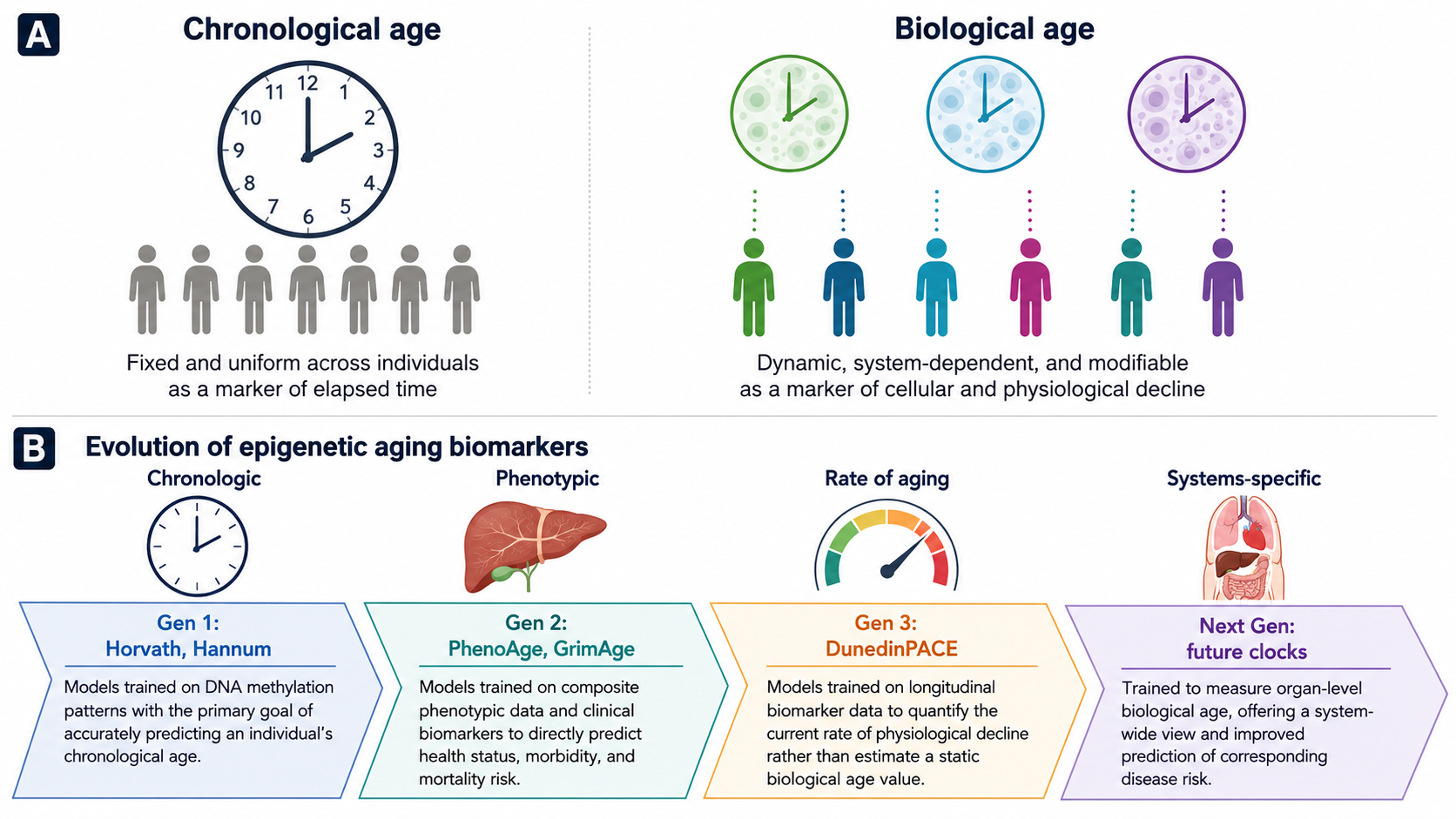
The human body does not age at a uniform rate across all systems. By analyzing the plasma proteome—the complete set of proteins circulating in the blood—researchers identified distinct signatures associated with the heart, brain, lungs, kidneys, and liver. This approach moves beyond chronological age, which often fails to capture the physiological reality of a patient’s health status.

“We are moving toward a paradigm where we can quantify the health of specific organ systems through a simple blood draw,” notes Dr. Tony Wyss-Coray, the study’s senior author. “This allows for the identification of accelerated aging in specific tissues long before the development of clinical morbidity.”
The research, which was supported by the National Institutes of Health (NIH) and the Wu Tsai Human Performance Alliance, analyzed data from thousands of participants to map how protein levels fluctuate as individuals age. These findings suggest that approximately 20% of the population may experience accelerated aging in at least one major organ, significantly increasing their risk of associated chronic conditions.
Diagnostic Precision and Clinical Limitations
While the ability to forecast disease risk is a major advancement, the clinical implementation of these tools faces significant hurdles. Current standard-of-care diagnostics rely on established biomarkers like HbA1c for diabetes or creatinine levels for renal function. Proteomic aging clocks are currently in the research phase and have not yet reached the stage of routine clinical validation required for widespread diagnostic use.
The ethical implications of these tests remain a subject of debate. Critics argue that providing patients with a “biological expiration date” or a premature risk profile could lead to psychological distress without offering actionable interventions. “There is a distinct difference between identifying a risk factor and having a proven, evidence-based mitigation strategy,” says Dr. Sarah Jenkins, an independent epidemiologist. “Without clear pathways for intervention, these tests risk creating a burden of knowledge that current medical systems are not equipped to manage.”
For patients concerned about their long-term health trajectories, current best practices involve focusing on established modifiable risk factors. Individuals seeking to assess their current physiological status should consult with board-certified internists or preventive medicine specialists who can integrate family history with current gold-standard screenings.
Navigating the Shift Toward Precision Preventive Medicine
The integration of proteomics into primary care will necessitate a robust digital infrastructure to manage complex biomarker data. As diagnostic laboratories begin to incorporate these multi-protein panels, there will be an increased demand for clinical interpretation services. Healthcare providers must prepare for a transition where the focus shifts from treating late-stage chronic illness to managing the underlying biological drivers of senescence.

For medical groups and diagnostic centers looking to incorporate cutting-edge biomarker testing, maintaining compliance with emerging regulatory standards is critical. Engaging with specialized healthcare compliance attorneys is essential for ensuring that new diagnostic protocols meet data privacy and clinical efficacy requirements. As these tools move toward commercialization, the gap between research-grade data and bedside application will narrow, requiring a higher level of literacy in longitudinal health monitoring among frontline clinicians.
Future Trajectory of Longitudinal Health Monitoring
The trajectory of this research points toward a future where patients receive a comprehensive “organ health report” during their annual physicals. This would enable clinicians to implement lifestyle modifications or pharmacological interventions—such as senolytic therapies currently under investigation—years before symptoms of heart disease or neurodegeneration appear. The success of this transition depends on the rigorous validation of these proteomic signatures across diverse demographic populations to ensure equitable diagnostic accuracy.
As the scientific community continues to refine these tools, patients and providers should remain focused on the clinical utility of the data provided. Early detection is only as effective as the interventions that follow. For those seeking a comprehensive review of their current cardiovascular or metabolic risk, scheduling a consultation with a board-certified specialist remains the most effective way to utilize current medical knowledge to improve long-term outcomes.
Disclaimer: The information provided in this article is for educational and scientific communication purposes only and does not constitute medical advice. Always consult with a qualified healthcare provider regarding any medical condition, diagnosis, or treatment plan.