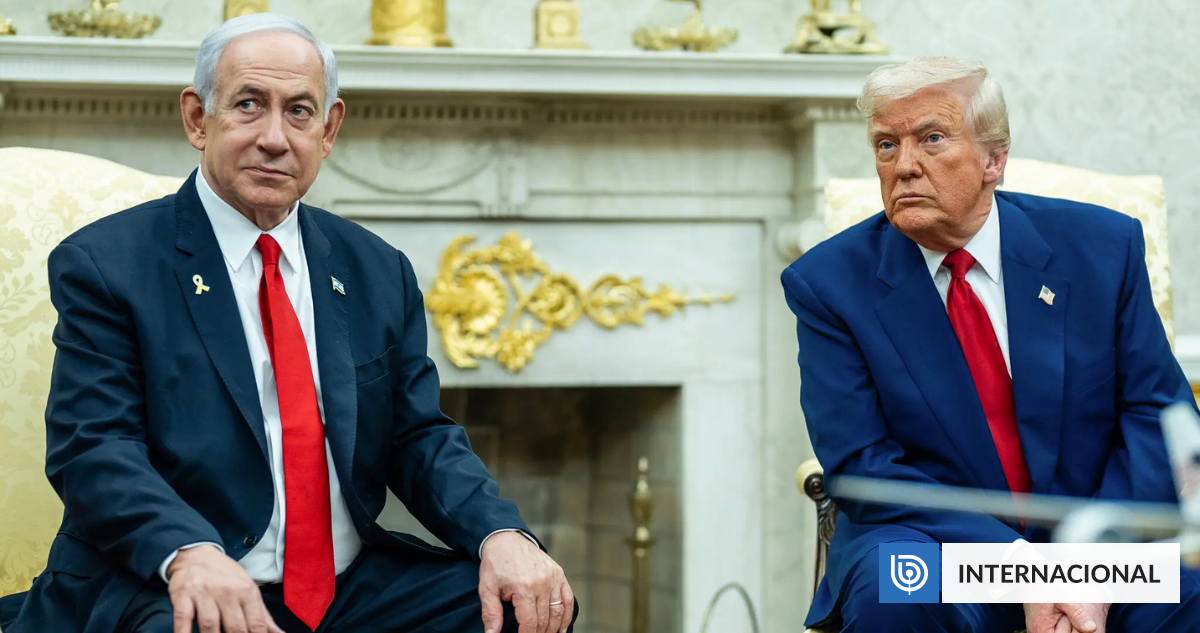
Netanyahu’s Stance on Iran: Trump’s Nuclear Demands, Uranium Enrichment & Regional Strategy
As of May 25, 2026, Israeli Prime Minister Benjamin Netanyahu—whose government has long prioritized dismantling Iran’s nuclear program—has publicly acknowledged limited influence over U.S. President Donald Trump’s evolving Iran policy. While Netanyahu supports Trump’s recent memorandum of understanding (MOU) with Tehran, he insists any final deal must include irreversible dismantling of Iran’s uranium enrichment infrastructure. The tension between Washington and Jerusalem underscores a critical juncture: Can diplomacy coexist with Israel’s security imperatives, or will this MOU trigger a regional arms race? The stakes extend beyond nuclear proliferation, threatening energy markets, military alliances, and even municipal infrastructure in the Middle East.
The Problem: A Diplomatic Deadlock with Global Ripples
Netanyahu’s admission—reported by Reuters and confirmed in statements to regional media—marks a rare public acknowledgment of his diminished leverage over Trump’s Iran strategy. The MOU, announced last week, has sparked immediate backlash from Israeli officials, who argue that Tehran’s nuclear ambitions remain unchecked. The primary concern? Iran’s uranium enrichment program, which Netanyahu insists must be completely dismantled in any final agreement. This stance clashes with Trump’s stated willingness to negotiate, raising questions about whether the U.S. Is prioritizing broader geopolitical stability over Israel’s security.
For Israel, the implications are dire. A perceived U.S. Retreat on Iran could embolden Hezbollah in Lebanon—a proxy with deep ties to Iran—and escalate tensions along Israel’s northern border. Municipalities like Haifa and Tel Aviv, already strained by rocket threats, may face renewed infrastructure vulnerabilities. Meanwhile, regional energy markets—particularly in Jordan and Egypt—could destabilize if Iran’s nuclear posture shifts unpredictably.
“Israel’s red line is clear: No enrichment, no deal. The question now is whether Trump’s MOU is a stepping stone or a strategic surrender. If the latter, we’re looking at a new Middle East cold war—one Israel cannot afford to lose.”
Historical Context: A Relationship Built on Nuclear Red Lines
The current standoff echoes past crises, particularly the 2015 Iran nuclear deal (JCPOA), which Netanyahu vehemently opposed. At the time, Israel argued the accord allowed Iran to maintain a latent nuclear capability, despite international inspections. Trump’s withdrawal from the JCPOA in 2018—backed by Netanyahu—was framed as a victory for Israeli security. Yet today, the MOU’s language suggests Trump may be pursuing a limited, phased approach, potentially leaving Iran with residual enrichment capacity.

This shift reflects broader geopolitical realignments. Trump’s administration has signaled openness to re-engaging with Iran on regional stability, including counterterrorism cooperation and economic sanctions relief. For Netanyahu, however, any concession on Iran’s nuclear program risks domestic backlash, particularly from his hardline coalition partners. The Likud Party and allies like Shas have already condemned the MOU, framing it as a betrayal of Israel’s non-negotiable security doctrine.
Regional Fallout: Who Loses When Diplomacy Fails?
| Entity | Immediate Risk | Long-Term Consequence |
|---|---|---|
| Israel | Escalation with Hezbollah; rocket attacks on northern cities | Military buildup in Lebanon; potential ground conflict |
| Iran | Sanctions relief without full nuclear rollback | Regional dominance via proxies (Yemen, Syria, Iraq) |
| Gulf States (UAE, Saudi Arabia) | Energy market volatility; proxy war spillover | Accelerated arms races; potential normalization freeze |
| Europe | Disrupted supply chains; refugee flows | Economic sanctions on Iran; energy price spikes |
Expert Voices: The Legal and Strategic Dilemma
Legal experts warn that even a “phased” deal could create untenable loopholes. “The JCPOA’s failure wasn’t just about inspections—it was about Iran’s ability to reach breakout capacity within weeks,” says Professor Rachel Bronson, director of the Brookings Institution’s Center for Middle East Policy. “If Trump’s MOU allows Iran to retain any enrichment infrastructure, we’re repeating history.”
“Israel’s dilemma is whether to accept a flawed deal or risk isolating the U.S. On this issue. The problem? There’s no quality option. A disappointing deal is worse than no deal, but no deal risks Trump abandoning Israel entirely.”
The Solution: Who’s Preparing for the Worst?
As tensions simmer, civic organizations, legal firms, and private sector entities are already mobilizing to mitigate fallout. In Israel, municipal emergency response teams in Haifa and Beersheba are upgrading rocket detection systems, while international law firms specializing in sanctions compliance are advising corporations on navigating U.S.-Iran trade gray zones.

For businesses, the risks are multifaceted. Shipping companies operating in the Red Sea are consulting freight security experts to assess Hezbollah’s potential to disrupt maritime routes. Meanwhile, energy traders are hedging against oil price spikes by engaging commodity risk analysts to model Iran’s leverage over global markets.
The Editorial Kicker: A Warning from the Front Lines
The current standoff isn’t just about nuclear centrifuges—it’s about the unwritten rules of Middle East survival. Netanyahu’s admission of limited influence over Trump is a wake-up call: In an era of shifting alliances, Israel’s security now hinges on preparedness over diplomacy. For cities on the front lines, the message is clear: Hardening infrastructure, securing legal counsel, and diversifying supply chains are no longer optional—they’re survival strategies.
As the MOU’s details emerge, one question looms: Will Trump’s gamble on diplomacy pay off, or will the region pay the price in blood and instability? The answer may determine not just Israel’s future, but the balance of power in the Middle East for decades to come.
Related reading
- Las Vegas Raiders weigh offensive line trade before deadline
- Wyoming high school football postseason begins October 30, 2026
- Vanessa Trump Announces She Is Cancer-Free Following Breast Cancer Diagnosis (newsdirectory3.com)
- Farooq Abdullah Credits Pakistan for Saving Kashmiris as BJP Demands Apology (time.news)