
Netanyahu and allies lose parliamentary majority, 1News reported
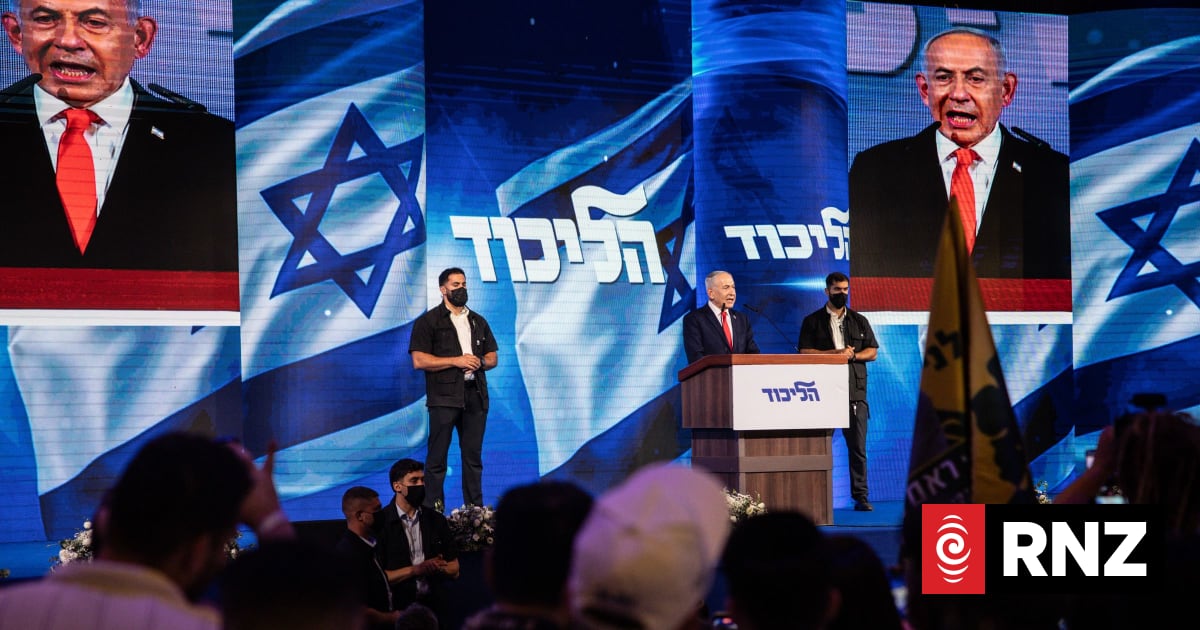
Israel faces weeks of difficult coalition negotiations after final election results released early Friday confirmed that Prime Minister Benjamin Netanyahu and his allies lost their parliamentary majority, 1News reported. Netanyahu’s bloc secured 53 seats in Tuesday’s general election, falling short of the 61 seats required to control the 120-member Knesset. The main opposition bloc led by Gadi Eisenkot’s Yashar party won 48 seats, while Arab-led parties achieved a historic showing with 19 seats.
Major Political Blocs Fail to Reach Governing Majority
Both major political blocs fell short of a governing majority, leaving the country gridlocked. The Central Elections Committee published the final tallies following an election that saw a voter turnout of 77.9%, representing 5,716,665 cast ballots, according to The Times of Israel. According to figures provided by The Times of Israel, Likud secured 27 seats, Yashar obtained 21, B’Yachad took 12, the Joint List won 11, The Democrats and Ra’am each captured 8, Yisrael Beytenu, United Torah Judaism, and Otzma Yehudit finished with 7 each, while Shas and Religious Zionism ended up with 6 seats apiece.
To govern, rival factions must negotiate across deep ideological divides to build a coalition reaching at least 61 seats. Netanyahu remains in charge as Israel’s longest-serving prime minister while coalition talks proceed. However, the anti-Netanyahu opposition would likely need to partner with Arab-led parties to oust him, a prospect complicated by political resistance.
Stalemate Over Potential Arab-Led Partnerships
Avigdor Liberman, leader of the Yisrael Beytenu party which won seven seats, appeared to rule out any partnership with Arab-led parties. That exclusion makes forming an anti-Netanyahu coalition nearly impossible unless opposing factions alter their stances.
Meanwhile, hundreds of Israelis have held rallies urging opposition leaders to join forces with Arab-led parties. “I believe we should join forces and cooperate with the Arab parties, a legitimate population in the state of Israel,” Jaffa resident Miri Sklair told 1News. Conversely, Arab party leaders have condemned the October 7, 2023, attack by Hamas but have declined to label it a terrorist organization, complicating integration into a Zionist-led government.
Allegations of Electoral Interference and Investigations
In the hours preceding the final result, Netanyahu and Likud amplified unsubstantiated claims that Arab-led parties had stolen the election, potentially with foreign assistance. Acting Director General Dean Livne stated that serious suspicions had been brought before him and asked the Shin Bet security agency to investigate, noting he could not verify the claims. Israeli media reported that Likud members accused Qatar of involvement, an allegation dismissed by the Gulf state as ridiculous and dangerous.
The election commission subsequently stated that allegations of systematic violations of electoral integrity were baseless, and the committee requested findings from the Shin Bet within a week. The security service made it clear that the inquiry was not intended to question the legitimacy of any demographic group that exercised its legal voting privileges.
Presidential Consultations and the Path to a New Government
The official election results are scheduled to be submitted to President Isaac Herzog on Wednesday. President Herzog will then meet with each party leader as they issue recommendations for who should form the next government. If multiple attempts to form a government fail, Israel faces a new election early next year, a scenario Herzog stated he will do everything in his power to avoid.
The new Knesset is expected to be sworn in on November 10. Once convened, the opposition bloc could potentially join with Arab parties to elect a new Knesset speaker to control the parliamentary agenda before a new government is formally established.