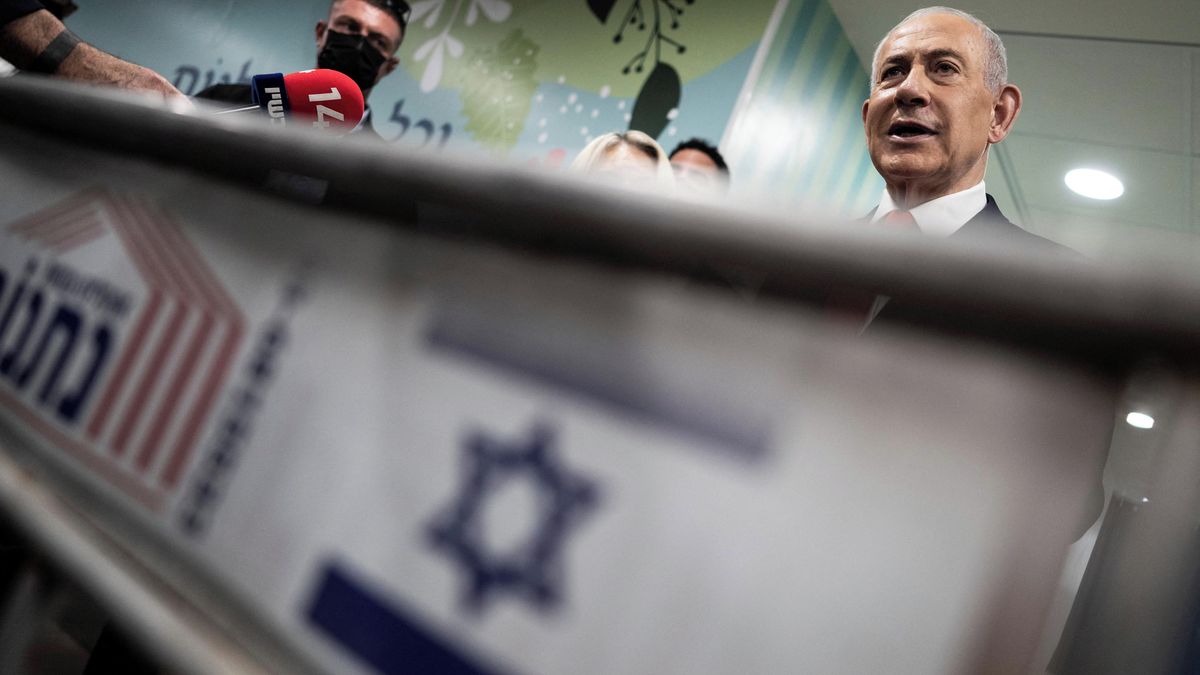
Netanyahu trails opposition in Israeli election exit polls
Israeli Prime Minister Benjamin Netanyahu’s right-wing bloc secured 50 seats in the 120-seat parliament during the October 27, 2026, general election, trailing the opposition coalition led by former military chief Gadi Eisenkot, which captured 52 to 53 seats, according to exit polls broadcast by Israeli television networks and reported by Seznam Zprávy.
Voter Turnout Reaches Highest Level Since 1973
Voter turnout surged to approximately 79 percent, marking the highest level recorded since 1973, according to official data cited by Seznam Zprávy and ČT24. Over seven million citizens were eligible to cast ballots across 34 competing political parties, though only about 13 parties cleared the 3.25 percent threshold required to enter the Knesset, Novinky reported. Netanyahu’s Likud party unsuccessfully petitioned the central election committee to extend voting hours in specific districts, a move ČT24 reported indicated internal campaign anxieties regarding the final tally.
Projected Seat Distribution Across the Knesset
The 120-seat legislature remains fragmented, with neither major political bloc achieving the 61-seat majority required to form a government independently, Novinky reported. Prime Minister Netanyahu’s ruling bloc of five parties stands at 50 mandates, anchored by Likud with 24 seats. The opposition bloc led by Gadi Eisenkot’s Jašar party holds 52 to 53 seats. Seventeen to eighteen mandates are projected to go to minority Arab parties, which historically oppose Netanyahu but remain structurally divided from parts of the Zionist opposition. Novinky detailed the threshold requirements and party standings, while Seznam Zprávy outlined the specific breakdown of parliamentary allocations.
| Political Block and Parties | Projected Seats |
|---|---|
| Netanyahu Governing Bloc (Total: 50) | |
| Likud (Benjamin Netanyahu) | 24 |
| United Torah Judaism | 7 |
| Shas | 6 |
| Otzma Yehudit (Itamar Ben-Gvir) | 6 |
| Religious Zionist Party (Bezalel Smotrich) | 7 |
| Opposition and Arab Parties (Total: 52–53 / 17–18) | |
| Jašar – Straight (Gadi Eisenkot) | 22 |
| Bjachad – Together (Naftali Bennett) | 12 |
| Democrats (Labor successor) | 9 |
| Yisrael Beiteinu (Avigdor Lieberman) | 9 |
| Unified List | 11 |
| Raam | 6 |
Netanyahu Lacks Viable Path to Ruling Majority
Veteran Haaretz commentator Yossi Melman observed on social media, as cited by Seznam Zprávy, that Israel has never been more polarized and that Netanyahu lacks a viable path to assemble a ruling majority. Conversely, Gideon Saar cautioned that opposition celebrations are premature.

The electoral clash centers heavily on accountability for the October 7, 2023, Hamas massacres that left 1,200 dead. Eisenkot po zveřejnění odhadů prohlásil, že výsledky ukazují naprostý nedostatek důvěry vůči Netanjahuovi.
The Core Question of the Vote and Regional Policy
For roughly half of the Israeli electorate voting for the opposition, the central goal of the election was to initiate national change and steer the country back in a positive direction, as journalist and documentarian Nataša Dudinská observed for Radiožurnál. Dudinská noted that the fundamental question of the vote boiled down to a simple binary of whether to support or reject Benjamin Netanyahu. The political debate also intersected with external pressures, as Netanyahu responded to recent threats of international sanctions and the potential cutoff of American aid by suggesting that Israel could transition to cryptocurrency.