
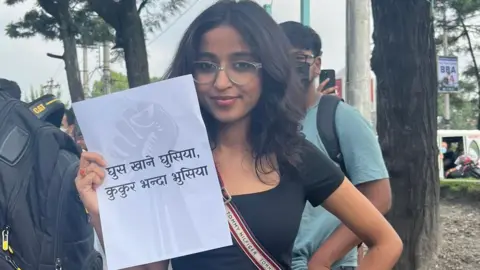
Nepal‘s Gen Z Rises Up Against Corruption, demanding Accountability From Wealthy Elite
Kathmandu, Nepal – A wave of protests led by Nepal’s gen Z has swept across the nation, fueled by accusations of widespread corruption and a growing disparity between the opulent lifestyles of politicians and the struggles of everyday citizens. The demonstrations, sparked by a controversial social media ban, have resulted in clashes with police and, tragically, the deaths of several protesters, including 23-year-old Yogendra Neupane, shot in the back of the head near the parliament building on September 8th.
The protests represent a pivotal moment for Nepal, a nation grappling with economic hardship and political instability. Young Nepalis, increasingly disillusioned with decades of alleged systemic corruption, are demanding transparency and accountability from their leaders, threatening to reshape the contry’s political landscape. The movement’s momentum raises questions about the future of Nepal’s governance and whether this generation’s demands for change will translate into lasting reforms.
The unrest began in response to a government attempt to restrict social media platforms, ostensibly to maintain law and order. Though, many saw the ban as a tactic to silence dissent and suppress growing criticism of the ruling elite. “We are no longer willing to stay silent or accept injustice,” stated a young protester, ms. Pandey, reflecting a widespread sentiment of defiance. ”This is not just a gentle nudge; it’s a bold challenge to a system that has hoarded power for decades.”
The protests quickly evolved into a broader condemnation of corruption, with demonstrators pointing to the perceived lavish lifestyles of politicians while a significant portion of the population struggles with poverty. Families of those killed in the protests are now grappling with their loss and demanding answers. Yubaraj Neupane, Yogendra’s father, expressed his shock, stating, “We are deeply shocked because we have lost our beloved son…I am yet to find out how he died.”
Yogendra, a civil service hopeful from south-eastern Nepal, was described by friends and relatives as a dedicated student with aspirations to contribute to his country. He joined the protests on September 8th,hoping to be part of a movement for positive change,contacting his family as tensions escalated. His great-uncle, Saubhagya, emphasized the importance of his sacrifice: “Our beloved has lost his life calling for change. His blood and sacrifice should be recognised so that other young people won’t have to hit the streets again in the future.”
While cautiously optimistic about the future, Ms. Pandey acknowledged the lasting trauma of the recent events. The protests mark a political awakening for Nepal’s youth, signaling a determination to challenge the status quo and demand a more just and equitable society.
