
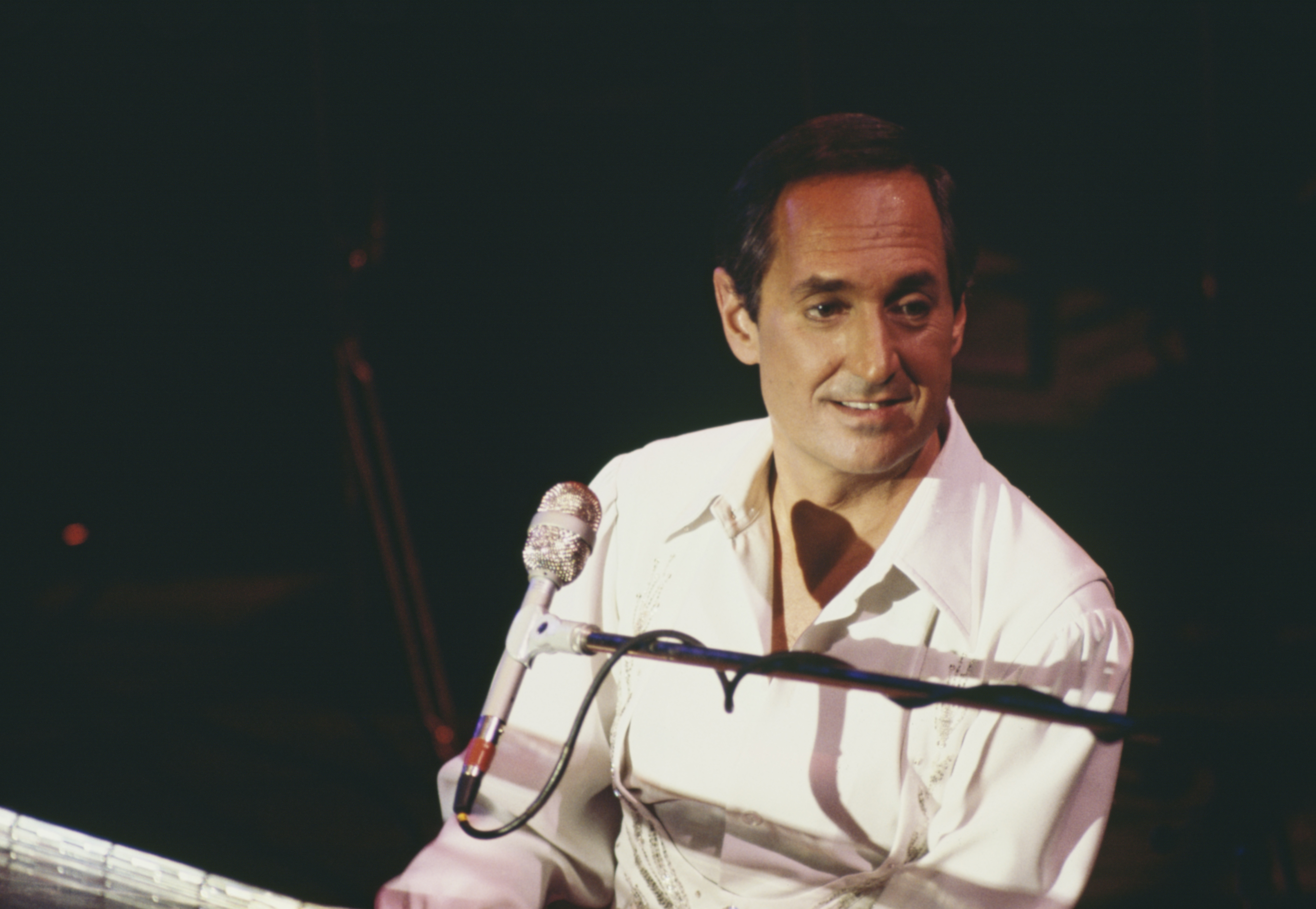
Neil Sedaka, the singer-songwriter whose career spanned decades and produced hits like “Breaking Up Is Hard to Do,” “Laughter in the Rain,” and “Bad Blood,” died Friday in Los Angeles, his family announced. He was 86.
“Our family is devastated by the sudden passing of our beloved husband, father and grandfather,” the family said in a statement released to Variety. “A true rock and roll legend, an inspiration to millions, but most importantly, at least to those of us who were lucky enough to know him, an incredible human being who will be deeply missed.”
Born in Brooklyn, New York, in 1939, Sedaka displayed musical talent early, beginning piano lessons in grade school and earning a scholarship to the Juilliard School of Music’s Preparatory Division at age nine. Although his mother encouraged classical training, Sedaka gravitated toward the burgeoning world of pop music. He began writing songs as a teenager, landing a position at the famed Brill Building, a hub for songwriters in the early 1960s.
Before achieving solo success, Sedaka formed a doo-wop group, the Linc-Tones, with high school friends, achieving regional hits in the mid-1950s. He later left the group, which would eventually become known as the Tokens and continue to release charting singles without him. Sedaka’s songwriting career took off in 1958 when Connie Francis recorded his song “Stupid Cupid,” which reached number 17 on the Billboard Hot 100. He continued to write for Francis, including the hits “Fallin’” and “Where the Boys Are.” He also worked as a session pianist, contributing to recordings like Bobby Darin’s “Dream Lover.”
Sedaka’s own recording career gained momentum in 1960 with the release of “Oh! Carol,” which reached the top 10. The song was inspired by Carole King, a fellow songwriter at the Brill Building with whom Sedaka had a romantic relationship. King’s husband, Gerry Goffin, responded with “Oh! Neil.” Sedaka followed with a string of hits, including “Calendar Girl,” “Little Devil,” “Happy Birthday, Sweet Sixteen,” and his first number one single, “Breaking Up Is Hard to Do” in 1962. He also charted with “Next Door to an Angel.”
The arrival of the Beatles and the British Invasion in the mid-1960s significantly altered the pop music landscape, leading to a decline in Sedaka’s commercial success for nearly a decade. He continued to write songs and tour, particularly in the United Kingdom and Australia.
A creative resurgence began in the early 1970s when Sedaka collaborated with musicians who would later form the band 10cc, recording the 1972 album Solitaire at Strawberry Studios in England. While the album didn’t achieve widespread success, it fostered a productive working relationship. Their next collaboration, the 1973 album The Tra-La Days Are Over, yielded “Love Will Retain Us Together,” which became a number one hit for Captain & Tennille. Sedaka also penned “Ring Ring,” an early hit for ABBA.
Sedaka’s career experienced a full comeback around the time of his 1974 album, Laughter In The Rain. In 1973, he met Elton John, who signed Sedaka to his Rocket Records label and helped relaunch his career in the United States. The 1974 compilation album, Sedaka’s Back, brought his music to a new audience. “Laughter In The Rain” reached number one, and he followed with another chart-topping hit, “Bad Blood,” in 1975. After moving to Elektra Records, Sedaka landed one final top 40 hit with “Should’ve Never Let You Go.”
Sedaka was inducted into the Songwriters Hall of Fame in 1983 and received a star on the Hollywood Walk of Fame. He continued to tour and record music for decades.
