
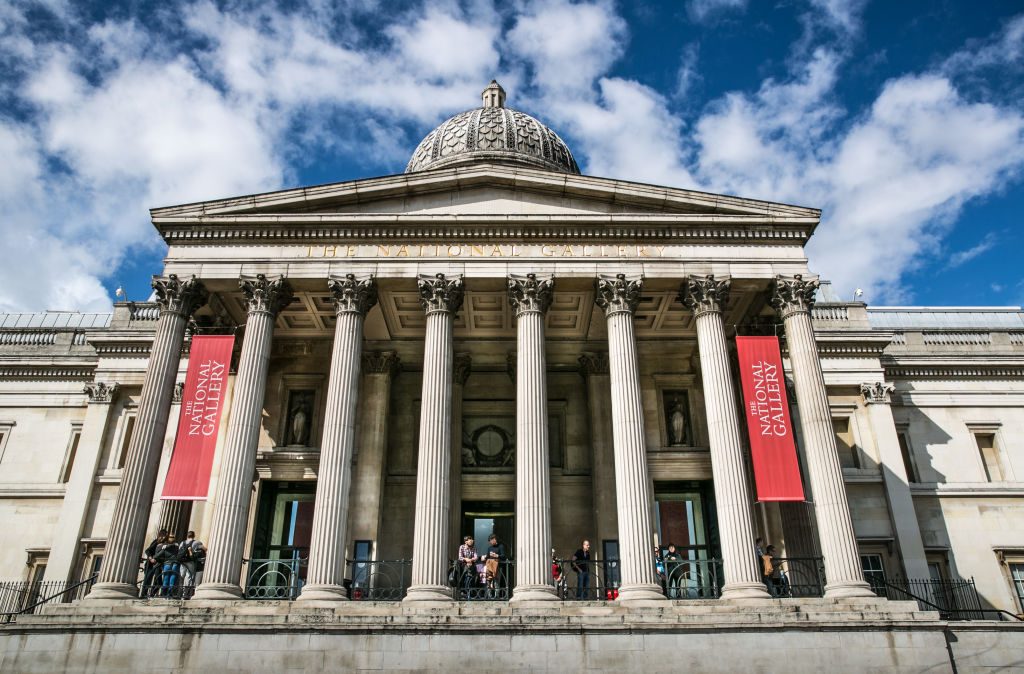
National Gallery‘s Expansion into Modern Art Sparks Turf War with Tate
LONDON – The National Gallery’s recent decision to significantly expand its collection beyond 1900, encompassing modern and contemporary art, represents a direct challenge to the Tate’s long-held curatorial territory and has ignited a debate over the future of Britain’s national art collections. The move, framed as a collaborative effort, is widely seen as a power play fueled by the National Gallery’s robust financial position-£375 million in reserves-compared to the Tate’s current deficit.
For decades, the Tate has largely defined the landscape of modern art in Britain. Tate Modern, in particular, experienced surging visitor numbers, largely matching Tate Modern year-on-year until the pandemic, demonstrating public appetite for both historical and contemporary works. Though, Tate Britain, focused on British art, has faced a sustained decline in visitor numbers, with its presentation of British art increasingly perceived as a critical examination of colonialism that some find discouraging.
The Tate’s collection evolved from its 1926 inception as a showcase for French Impressionists-then considered “modern foreign art”-to a post-war emphasis on modern British art, often to the exclusion of its international counterparts.This insular approach persisted until the tenure of Nicholas Serota, who actively sought to broaden the collection to include European and American contemporary art. In 1998, Serota oversaw a division of the collection, creating Tate Modern and renaming the original gallery Tate Britain, a split that ultimately proved problematic.
While Tate modern thrived during a period of increasing globalization leading up to Brexit, Tate Britain struggled, with some British artists hesitant to be categorized as simply “British.” This led to an internal questioning of the value of prioritizing British art within a contemporary art world grappling with the legacy of Empire.
The National Gallery’s move signals a clear ambition to become the comprehensive home for all art in Britain, capitalizing on the Tate’s financial vulnerabilities and a perceived weakness in its curatorial direction at tate Britain.The question of how to balance historical and contemporary art within national collections, and the very definition of “British” versus “foreign” art, are now at the forefront of a national conversation.
