
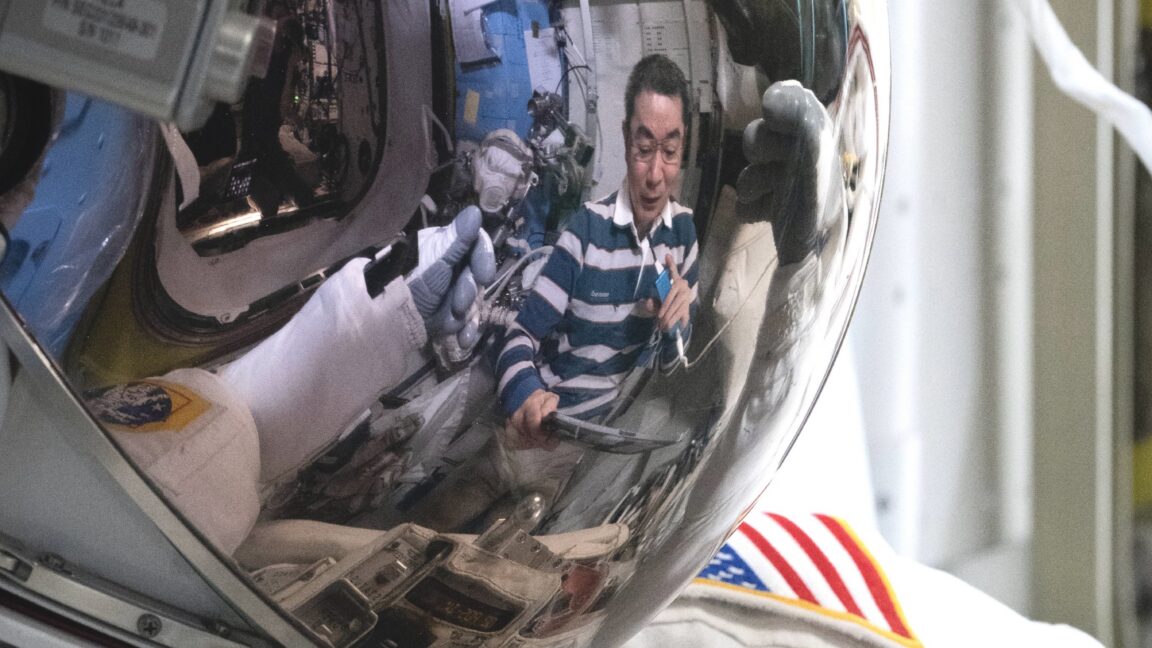
Medical Emergency Aboard International Space Station Prompts Potential Early Return
A medical situation involving a crew member aboard the International space Station (ISS) has led to the postponement of a planned spacewalk and raised the possibility of an expedited return to Earth for at least one member of the seven-person crew. NASA announced the developments on Wednesday, initiating a careful evaluation of all available options to ensure the affected astronaut’s well-being.
Unprecedented Situation, Established Protocols
While NASA has never before been compelled to medically evacuate an astronaut from space, the agency maintains established protocols and resources for such an eventuality.The ISS is equipped with lifeboats capable of supporting a return to Earth, though their use would represent a complex and rarely practiced procedure. The primary focus remains on assessing the crew member’s condition and determining the most appropriate course of action.
Details Remain Limited Due to Privacy Concerns
NASA initially announced the postponement of the spacewalk due to a “medical concern” but refrained from disclosing the identity of the affected crew member or the specifics of their condition, citing medical privacy regulations. This decision aligns with standard practise to protect the astronaut’s personal health facts. Further details are expected within the next 24 hours, as NASA continues its assessment.
Spacewalk Postponement and Escalating Concerns
Postponing spacewalks due to medical issues is not entirely uncommon. A similar situation occurred in 2021 when an astronaut was unable to participate in a scheduled spacewalk due to a pinched nerve. However, the situation escalated late Wednesday night when NASA released a second statement confirming the issue involved a single crew member who was reported to be in stable condition. Crucially, NASA indicated they were now considering bringing the astronaut home early using a SpaceX Crew Dragon capsule.
Crew-11 and the SpaceX Dragon Capsule
The potential early return would likely involve the SpaceX Crew Dragon capsule currently docked with the ISS. This spacecraft, part of the Crew-11 mission, launched on August 1st, carrying NASA astronauts Zena Cardman and Mike Fincke, Japanese astronaut Kimiya Yui, and Russian cosmonaut Oleg Platonov to the station. The original mission plan called for the crew to remain on the ISS until around February 20th, before undocking and returning to Earth. NASA’s Crew-11 mission page provides further details on the crew and mission objectives.
The Challenges of Medical Evacuation from Space
Medically evacuating an astronaut from space presents critically important logistical and medical challenges. Unlike terrestrial medical evacuations, time is of the essence, and access to advanced medical facilities is severely limited. Factors that must be considered include:
- Decompression Sickness: Rapid changes in pressure during descent can cause decompression sickness (“the bends”), requiring careful management.
- Limited Medical Resources: The ISS has a limited supply of medical equipment and medications.
- G-Forces: The forces experienced during re-entry and landing can exacerbate medical conditions.
- Coordination: A medical evacuation requires seamless coordination between NASA, spacex, and international partners.
NASA’s Response and Prioritization of Safety
NASA emphasized that the safety of its crew remains its top priority. in a statement, the agency affirmed, “Safely conducting our missions is our highest priority, and we are actively evaluating all options, including the possibility of an earlier end to Crew-11’s mission. These are the situations NASA and our partners train for and prepare to execute safely. We will provide further updates within the next 24 hours.” This highlights the extensive training and preparation undertaken by NASA and its partners to address potential medical emergencies in the unique environment of space.
What Happens Next?
Over the next 24 hours, NASA will likely focus on the following:
- Detailed Medical Assessment: Conducting a thorough assessment of the crew member’s condition to determine the severity of the medical issue.
- Consultation with Medical Experts: Consulting with flight surgeons and medical specialists on Earth to develop a treatment plan.
- Logistics Planning: If an early return is deemed necessary, NASA will begin planning the logistics of the evacuation, including preparing the Crew Dragon capsule and coordinating with ground teams.
- crew Support: Providing support to the entire crew, both physically and emotionally, during this challenging time.
this situation underscores the inherent risks of human spaceflight and the importance of robust medical protocols and emergency preparedness. The world awaits further updates from NASA as they navigate this critical situation and prioritize the health and safety of their astronauts.
