NASA Artemis II: Astronauts Prepare for Historic Moon Mission
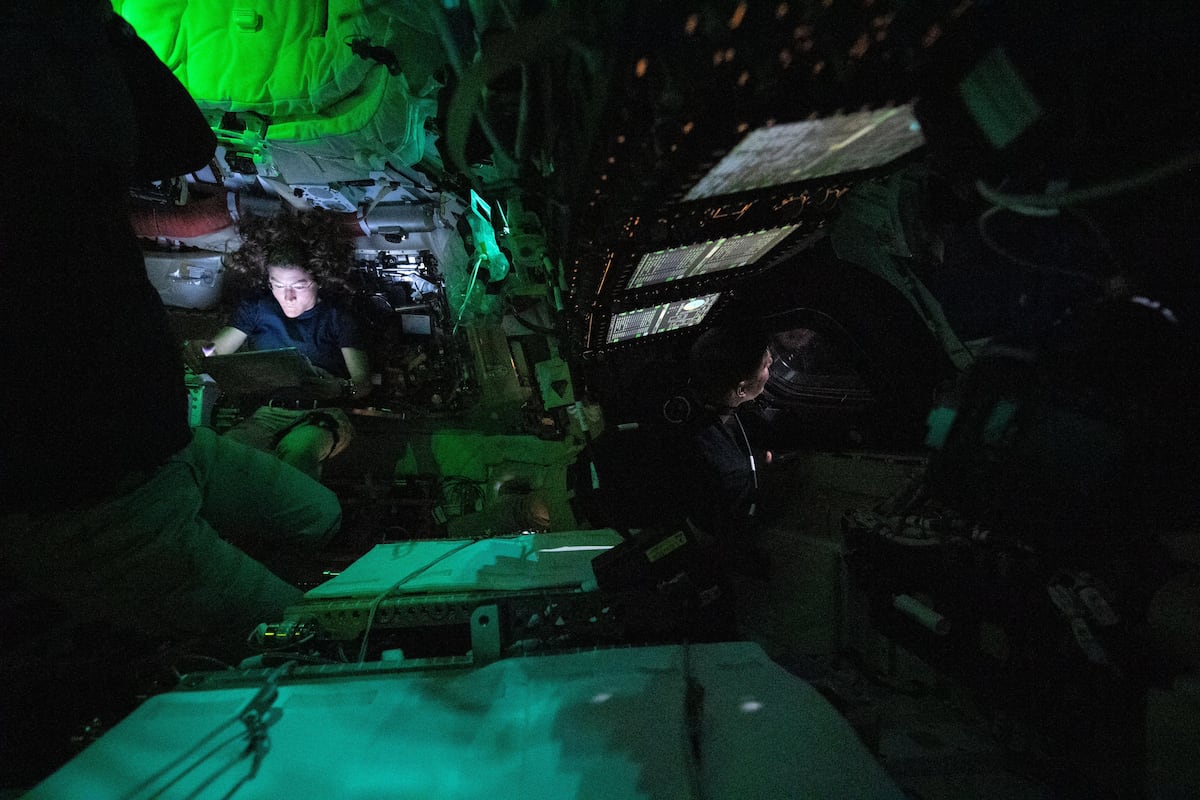
NASA’s Artemis II crew has begun the process of visualizing the lunar surface as they advance toward the Moon, marking a critical transition in the mission’s trajectory. The crew members are now in a position to observe entire regions of the satellite, a milestone that precedes the more complex maneuvers required for the mission’s deeper lunar exploration.
Orbital Maneuvers and Trajectory
The Orion spacecraft is currently executing the final propulsion phases necessary to ensure a precise lunar intercept. This “last push” involves a series of calculated burns designed to stabilize the craft’s velocity and align its path for a successful flyby. These technical adjustments are essential for the crew to maintain the intended orbit, allowing them to capture unprecedented views of the lunar landscape from a perspective that differs from previous Apollo-era missions.
Technical Challenges in Deep Space
Despite the mission’s progress, NASA is managing ongoing technical malfunctions regarding the spacecraft’s life support and sanitation systems. Reports indicate recent problems have emerged with the onboard toilet system, a critical component for crew health and hygiene during the extended journey. While these issues are being addressed by ground control and the crew, the reliability of the waste management system remains a focal point for mission engineers as the craft moves further from Earth.
Mission Objectives and Scope
Artemis II serves as the first crewed flight of the Artemis program, designed to test the Orion spacecraft’s capabilities in a deep-space environment. Unlike the Artemis III mission, which aims for a lunar landing, the current crew is focused on validating communication systems, radiation shielding, and the spacecraft’s ability to support human life beyond Low Earth Orbit (LEO). The ability to observe vast sections of the Moon is a primary objective, providing data that will inform the landing site selection for future missions.
NASA engineers continue to monitor the Orion’s systems in real-time, with the next phase of the mission focusing on the precise execution of the lunar swing-by and the subsequent return trajectory to Earth.