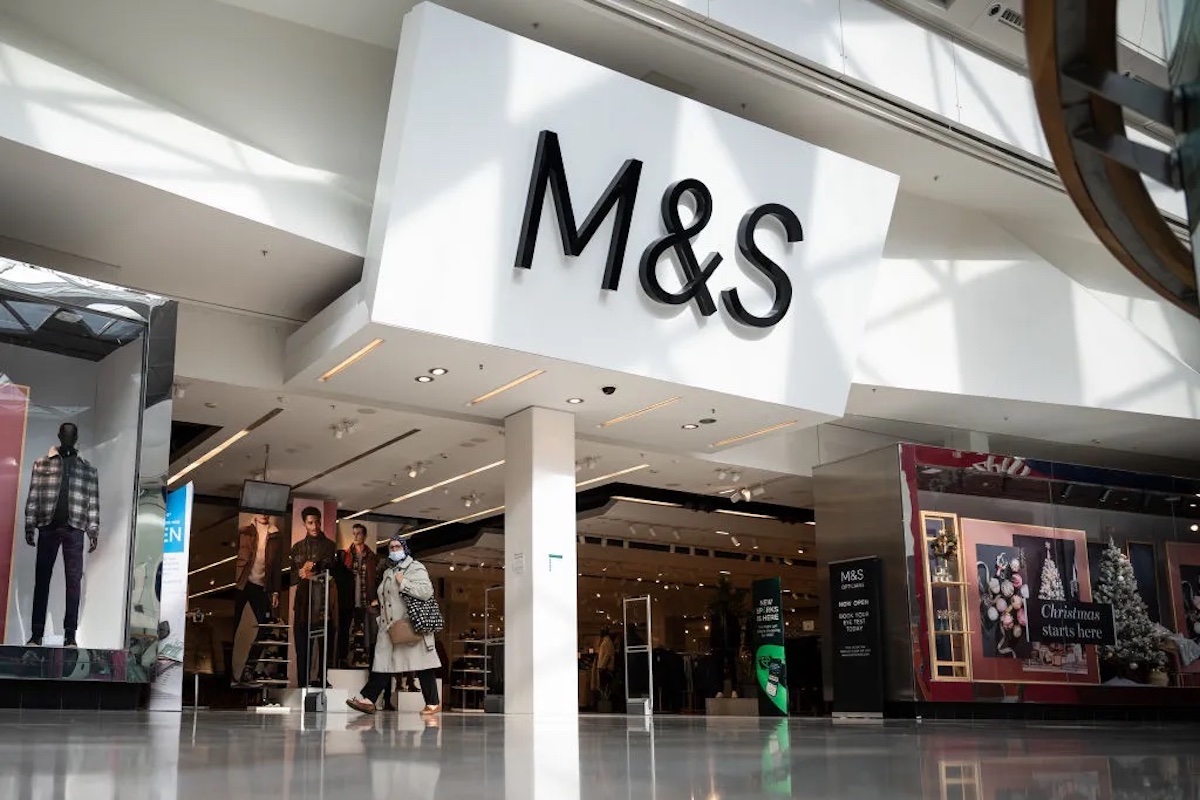
M&S to Face Shareholder Scrutiny Over Cyber Attack and Profit Recovery
Marks and Spencer (M&S) will face shareholder scrutiny at its annual general meeting on Tuesday regarding its recovery from a 2025 cyber attack that erased nearly one-third of its annual profit. The FTSE 100 retailer saw profits slump 29 per cent to £365m for the year ending March.
When a 12-week website blackout translates into a £131m direct hit, the problem shifts from a technical glitch to a balance-sheet crisis.
Why are M&S shareholders demanding accountability?
Investors are focusing on the severity of the April 2025 attack, which Chairman Archie Norman described as “traumatic.” The incident disabled the company’s online storefront for 12 weeks and disrupted physical supply chains, leaving shelves empty. According to M&S, the company took a £131m hit directly attributed to the incident.

Duncan Ferris, an analyst at investment platform Freetrade, told City AM that the executive team must prove they have “strengthened resilience against future hacks.” While the board’s decision to freeze bonuses for 63,000 employees—including CEO Stuart Machin and Norman—shows “some contrition,” Ferris noted that investors will seek “decisive action” paired with that accountability.
The financial damage was concentrated in the fashion, home, and beauty segment. Sales in this arm declined by nearly eight per cent in the year to March, which the company attributed to the “temporary pause in online trading and systems access.”
How did the cyber attack impact market share?
Dan Coatsworth, head of markets at stock broker AJ Bell, told City AM that rival retailer Next "pinched" a large number of customers during the M&S stock shortfalls. Coatsworth warned that recovery efforts might take longer than expected because Next has "upped its game" in the clothing sector.
M&S is now operating in a “year of two halves,” according to CEO Stuart Machin. While the fashion arm struggled, the grocery business acted as a hedge. M&S Food sales jumped seven per cent to £9.7bn, bolstered by million-pound investments in warehouse infrastructure. Retail analyst Nicholas Found told City AM that food is now the “core strength” of the business, accounting for over half of total revenue.
What are the disputes over executive pay and governance?
Beyond the cyber recovery, the board faces a rebellion over its remuneration policy. Institutional Shareholder Services (ISS), a leading shareholder advisory, expressed concerns over a “regressive” move to allow board member bonuses to be paid entirely in cash instead of 50 per cent shares. Despite this, ISS recommended that stakeholders back the policy.

The company’s relationship with its investors has been strained since 2023, when M&S came under fire after telling its shareholders to join its annual meeting online, meaning they were set to miss out on tea and biscuits and the chance to meet board members face-to-face.
Financial Performance Summary: Year Ending March
| Metric | Value / Change | Primary Driver |
|---|---|---|
| Annual Profit | £365m (Down 29 per cent) | £131m cyber attack loss |
| Food Sales | £9.7bn (Up seven per cent) | Warehouse infrastructure investment |
| Fashion/Home Sales | Down ~eight per cent | 12-week online blackout |
| Stock Price (Monday) | 381p (Flat) | Market anticipation of AGM |
Shares in M&S have risen more than 16 per cent in the year so far. However, the upcoming AGM will determine if the “patchwork” fixes to the fashion arm are sufficient or if a total overhaul is required to stop the bleed to competitors like Next.
The trajectory of M&S now depends on whether it can scale its grocery success to offset the volatility of its clothing division.