Motorola Phones Face Software Support and Bloatware Issues, Slashgear Reports
Buying a Motorola smartphone requires looking past several hardware and software limitations that distinguish the brand from rival Android manufacturers, SlashGear reported.
The Tech TL;DR:
- Motorola provides shorter software support windows than competitors, offering only three to four years of security updates on recent models.
- Owners face persistent bloatware issues, including unconsented app installations and intrusive notifications stemming from the MotoApps system.
- Budget Moto G models struggle with basic performance tasks and lack usable secondary cameras when compared to similarly priced alternatives.
Limited OS Updates
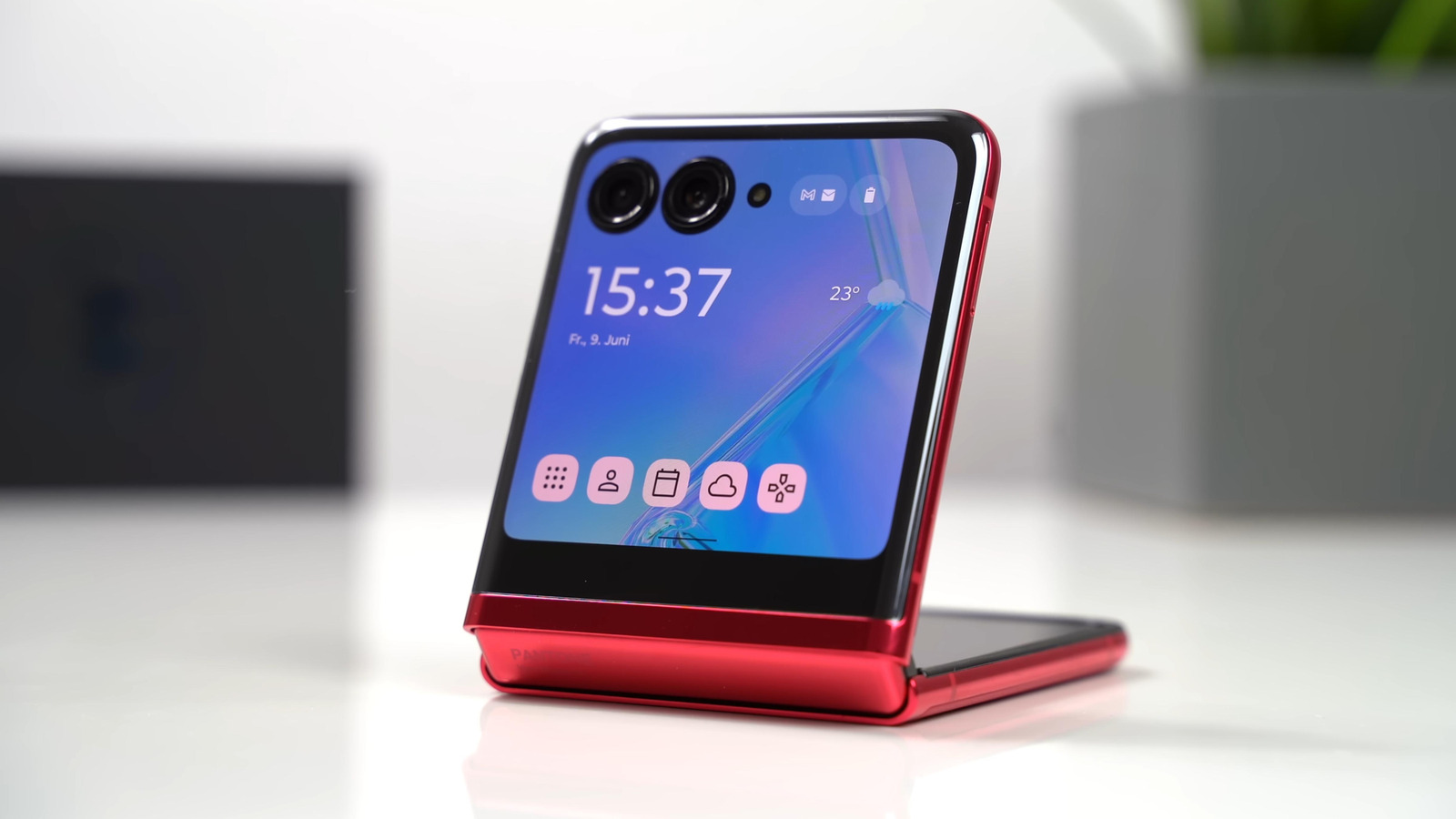
Most buyers expect to keep a handset for several years, but Motorola offers limited software support and security patches across multiple models. The Motorola Edge 70 Max and Motorola Edge 2026, released in June this year, feature only three years of security updates. The higher-priced Razr 70 Plus adds a single extra year, receiving security patches for four years.
Skipping recent security patches exposes vulnerabilities that can grant hackers access to user data. Without current OS updates installed, devices frequently encounter software bugs, run slower, and experience app compatibility issues.
Motorola Installs Apps Without Permission via MotoApps
Bloatware remains a common issue across the Android ecosystem, but Motorola devices encounter unique problems regarding third-party software. Many device owners report instances of the company installing new applications without user permission through its MotoApps system. Additional complaints describe intrusive notifications and ad-heavy games appearing after standard device updates.
Unattended bloatware consumes valuable storage space and runs resource-heavy processes in the background, which degrades device performance. Spam-like games installed via these background pushes often request excessive permissions, creating potential security risks for end users.
Justifying Recent Pricing
Motorola entered the foldable phone market in 2019 with the revival of its Razr series, though that launch received a mixed critical reception. Today’s foldable lineup continues to draw criticism primarily due to a lack of meaningful processor upgrades from previous generations.
The budget-friendly Moto G series presents similar cost-justification challenges for buyers. Both the 2025 and 2026 Moto G models face criticism for lagging performance on basic tasks and omitting usable secondary cameras. For instance, the Moto G 2026 uses a standard LCD screen while competitors like the Samsung Galaxy A16 offer higher-resolution OLED displays, a secondary 5MP camera, and extended software support at a comparable price point.
Motorola Mobility, formed in 2011 from the split of the original Motorola Inc. founded in 1928, pioneered early cellular technology and achieved major success with the RAZR V3 flip phone before losing market share to Nokia, Apple, and Samsung.
Google acquired the company for $12.5 billion in 2012 primarily for its patent portfolio, later selling it to Lenovo for $2.91 billion in 2014. Now a wholly owned Lenovo subsidiary headquartered in Chicago, it designs smartphones including the Edge, Razr, and Moto G series running Android with the Hello UI interface.
Always consult with certified IT and cybersecurity professionals before altering enterprise networks or handling sensitive data.