
Mosses Prove Remarkably Resilient in Long-Duration Space Experiment
By Rachel Kim,World-Today-News.com – November 2, 2023
CAPE CANAVERAL, FL – In a groundbreaking experiment, moss has demonstrated an astonishing ability to survive the harsh conditions of space, offering potential insights for future long-duration space travel and even the possibility of establishing plant life on other planets. Researchers have found that over 80% of moss spores exposed to the vacuum and radiation of space for nearly a year remained viable, with almost 90% successfully germinating back on Earth.
The study, led by Dr. Fujita and his team, focused on Physcomitrium patens, a species of moss known for its exceptional hardiness. Mosses themselves are ancient organisms, believed to be among the first plants to colonize land approximately 450 million years ago. Their ability to thrive in extreme environments – from the frigid Antarctic tundra to the scorching volcanic landscapes and even underwater – has long fascinated scientists.
“I began to wonder: could this small yet remarkably robust plant also survive in space?” Dr. Fujita explained, detailing the inspiration behind the project.
The team initially subjected Physcomitrium patens to simulated space conditions in a laboratory setting, testing its resilience against extreme temperatures (ranging from 131°F to -320°F), vacuum environments, and intense ultraviolet (UV) radiation. They discovered that the moss’s sporophytes – protective capsules containing spores crucial for reproduction – were especially resistant to UV radiation, making them the most likely component to survive in space.
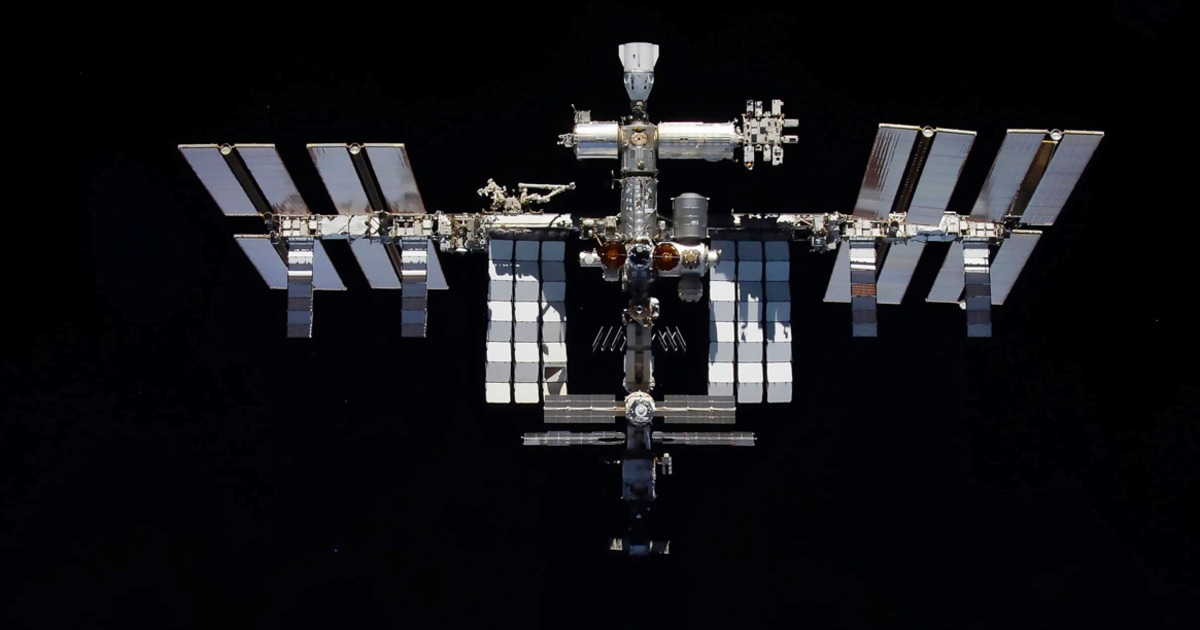
In March 2022, hundreds of these sporophytes were launched to the International Space Station (ISS) aboard a Northrop Grumman cargo spacecraft. Astronauts mounted the samples on the exterior of the ISS, exposing them directly to the space environment for 283 days.The samples were then returned to Earth in January 2023 via a spacex cargo mission.
The results were remarkable. Over 80% of the spores endured the nine-month exposure, and of those, nearly 90% successfully germinated upon their return to Earth.
This research highlights the incredible resilience of moss and opens exciting possibilities for utilizing these organisms in future space exploration.The ability of moss to withstand extreme conditions could prove invaluable for creating sustainable life support systems on long-duration missions, or even for initiating plant growth on other celestial bodies.
Keywords: Moss, Space, International Space Station, ISS, Physcomitrium patens, Spores, UV Radiation, space Exploration, Plant Biology, Resilience, Biotechnology, NASA, SpaceX, northrop Grumman.
