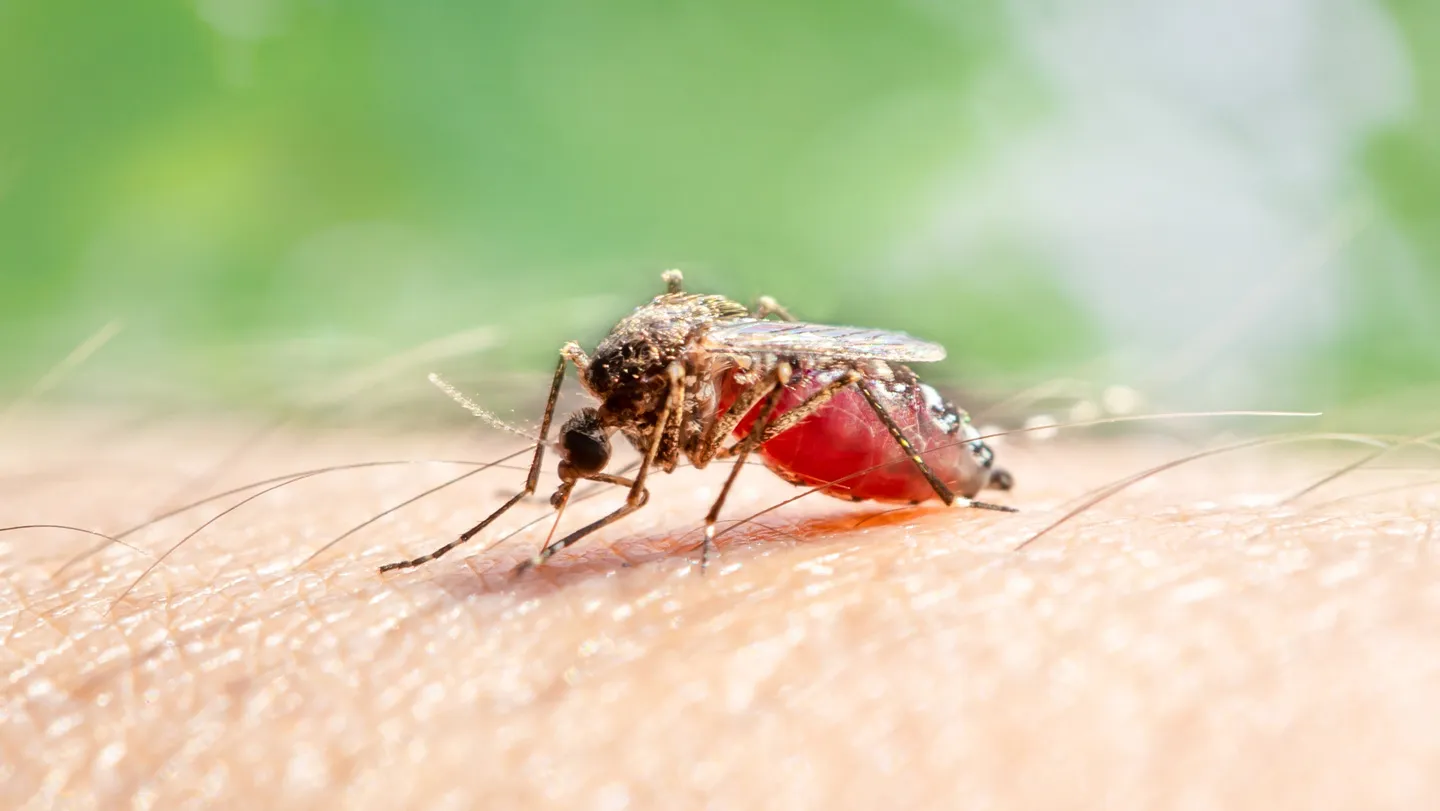
Mosquitoes May Learn to Associate DEET With Food
For decades, N,N-Diethyl-meta-toluamide, commonly known as DEET, has served as the gold-standard repellent in the clinical defense against mosquito-borne pathogens. However, recent laboratory findings suggest that the behavioral response of Aedes aegypti to this chemical may be more complex than previously understood. Experimental data indicates that these vectors can detect the compound and, through associative learning, potentially link the scent of the repellent to the absence of a blood meal, raising questions about the long-term efficacy of standard protective protocols.
Key Clinical Takeaways:
- Laboratory evidence demonstrates that Aedes aegypti mosquitoes possess the neurological plasticity to associate DEET exposure with the failure to secure a host.
- The study highlights a potential shift in vector behavior, though real-world confirmation in field settings remains an essential next step for epidemiological validation.
- Current public health guidelines for personal protective equipment and chemical repellents remain the standard of care for preventing morbidity associated with viral vectors.
The Neurobiology of Vector Avoidance and Associative Learning
The efficacy of chemical repellents relies on the premise that they disrupt the host-seeking mechanisms of female mosquitoes. In a controlled laboratory environment, researchers examined the olfactory responses of Aedes aegypti to DEET. The findings suggest that the insects are not merely repelled by the chemical’s volatility; rather, they exhibit a capacity for associative learning. When the presence of the repellent is paired with the unavailability of a host, the mosquitoes demonstrate a reduced avoidance response over subsequent exposures. This shift in behavior is not an adaptation of the chemical’s physiological impact, but a modification of the vector’s decision-making process.
This research, which received funding through competitive grants from the National Institutes of Health, underscores the necessity of understanding the pathogenesis of behavior in disease-transmitting insects. By mapping the neural pathways involved in olfactory discrimination, the investigative team has provided a framework for future studies into how vectors prioritize sensory inputs in complex environments. More information on the molecular mechanisms of insect olfaction can be found through the National Library of Medicine’s PubMed database.
“The ability of a mosquito to learn and adapt its host-seeking strategy based on previous chemical exposure challenges our traditional view of these insects as purely hard-wired organisms. This necessitates a more nuanced approach to vector control programs that rely on singular chemical interventions.”
Clinical Implications for Public Health and Pathogen Control
While the laboratory data is compelling, the jump from a controlled cage experiment to the field is significant. In natural ecosystems, mosquitoes face a myriad of competing olfactory cues, including carbon dioxide, lactic acid, and various skin volatiles, which may override the learned avoidance of DEET. Nevertheless, the potential for behavioral resistance creates a clinical imperative to diversify our prevention strategies. Healthcare providers must emphasize that while chemical repellents are effective, they form only one layer of a robust defense against diseases such as West Nile virus, Dengue, and Zika.

For patients residing in regions where vector-borne diseases are endemic, maintaining a multi-modal prevention strategy is vital. This includes the use of physical barriers, such as permethrin-treated clothing and window screening, alongside traditional repellents. Patients concerned about the risk of infectious disease transmission should schedule a consultation with board-certified infectious disease specialists to discuss comprehensive exposure mitigation plans, especially when traveling to areas with active viral outbreaks.
Addressing the Gap in Vector Surveillance
The evolution of vector behavior necessitates a parallel evolution in our surveillance infrastructure. If mosquitoes are indeed learning to circumvent current chemical deterrents, public health agencies may need to pivot toward integrated pest management (IPM) models that incorporate biological controls and environmental modification. Here’s particularly relevant for municipal health departments managing high-density urban areas where the World Health Organization notes that Aedes aegypti populations are most demanding to suppress.

Organizations and local governments facing challenges in vector control efficacy should engage with professional consultancies to perform risk assessments. Retaining healthcare compliance attorneys and environmental health consultants ensures that regional control policies align with current toxicological standards while remaining agile enough to incorporate new findings in entomological research. The integration of clinical data into public policy is the only way to maintain a high standard of protection against the rising morbidity associated with mosquito-borne pathogens.
Future Trajectories in Repellent Research
As we advance toward the next generation of vector protection, the focus will likely shift toward compounds that interfere with the mosquito’s olfactory receptor neurons in ways that are less susceptible to associative learning. Research into non-volatile or “masking” compounds is already underway in academic laboratories. The trajectory of this field points toward a future where “smart” repellents are tailored to the specific sensory profiles of different mosquito species, thereby reducing the likelihood of behavioral resistance.
For those currently navigating the complexities of regional health management, staying updated through peer-reviewed literature remains the gold standard for clinical decision-making. We strongly recommend that stakeholders, including healthcare administrators and public health officers, regularly review data provided by the Centers for Disease Control and Prevention to ensure that local protocols reflect the most recent evidence-based practices.
Disclaimer: The information provided in this article is for educational and scientific communication purposes only and does not constitute medical advice. Always consult with a qualified healthcare provider regarding any medical condition, diagnosis, or treatment plan.