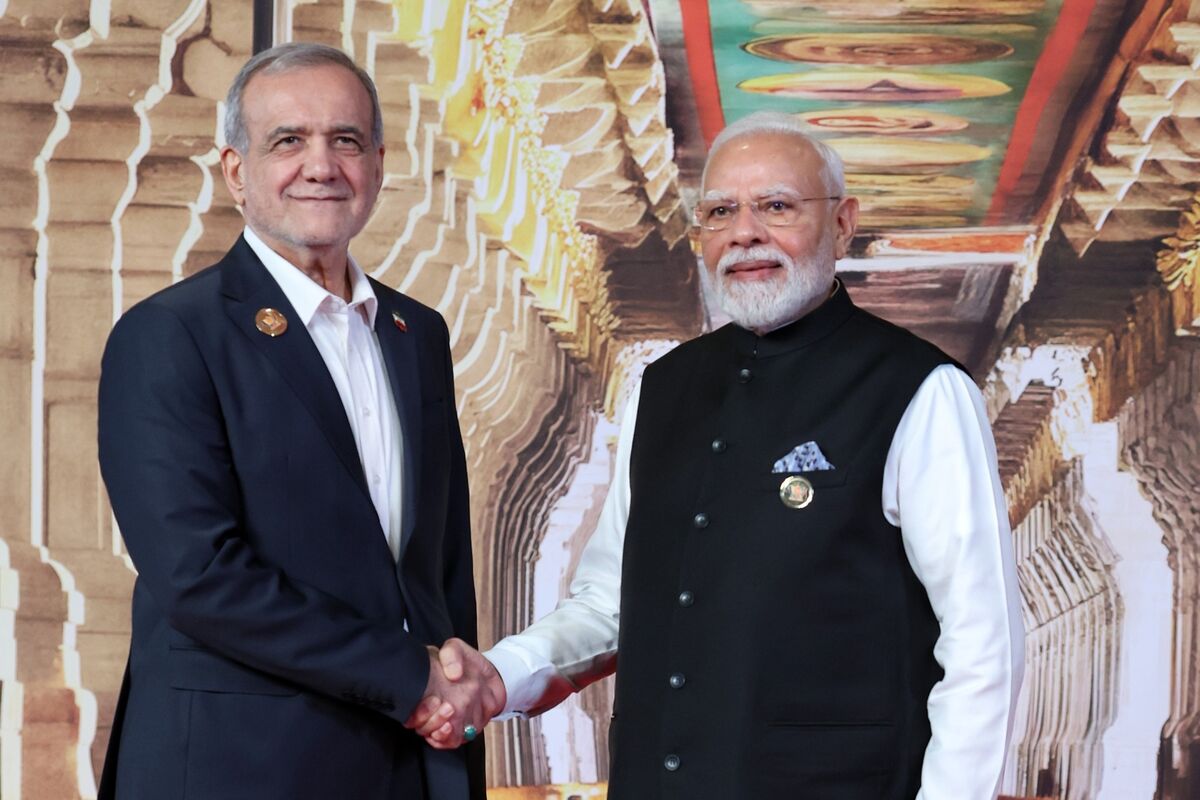
Modi Forges BRICS Consensus on Iran War and Trade at New Delhi Summit
On September 12, 2026, India achieved the much-anticipated consensus for a joint declaration at the BRICS Summit held at New Delhi’s Bharat Mandapam, according to reporting by Bloomberg, the BBC, The New York Times, Al Jazeera, China Daily, and The Indian Express.
Navigating the West Asian Crisis at Bharat Mandapam
The diplomatic breakthrough in New Delhi came after months of grueling negotiations led by BRICS Sherpas, who worked through intense divisions between member states Iran and the United Arab Emirates. According to The Indian Express, the phrasing regarding the West Asia war had fractured consensus earlier in the year, notably resulting in a stalemate during the May foreign ministers’ meeting. The conflict, which flared significantly on February 28 following coordinated strikes between the United States and Israel against Iran, subsequently drew retaliatory Iranian targeting of U.S. military assets across the Gulf region, including sites in the UAE.
Despite these high-stakes regional tensions, Indian officials bridged the diplomatic divide ahead of the summit. The resulting New Delhi Declaration formally expresses deep concern over persistent hostilities in West Asia. It explicitly urges member states and international actors to seek “maximum restraint, as well as avoiding actions that could further aggravate the situation,” as reported by The Indian Express. Furthermore, the declaration champions the protection of civilians and civilian infrastructure in strict accordance with the United Nations Charter.
Economic Strains and Supply Chain Security
To safeguard international commerce, the joint declaration emphasizes the necessity of maintaining uninterrupted flows of global trade and energy supplies under international law. In parallel, the grouping took direct aim at global trade protectionism. BRICS leaders strongly advocated for the immediate restoration of a fully functioning, two-tier binding World Trade Organization dispute settlement mechanism, demanding the appointment of new Appellate Body members without further delay to restore predictability to multilateral trade systems.
Strategic Alignment and Global South Representation
The 2026 summit underscored the expanding geopolitical weight of the Global South. By hosting leaders from major economies and newly admitted members, India cemented the bloc’s role as a primary forum for developing nations seeking alternative diplomatic frameworks outside traditional Western alliances.
The diplomatic achievement in New Delhi demonstrates that consensus remains possible even within a fragmented global order.