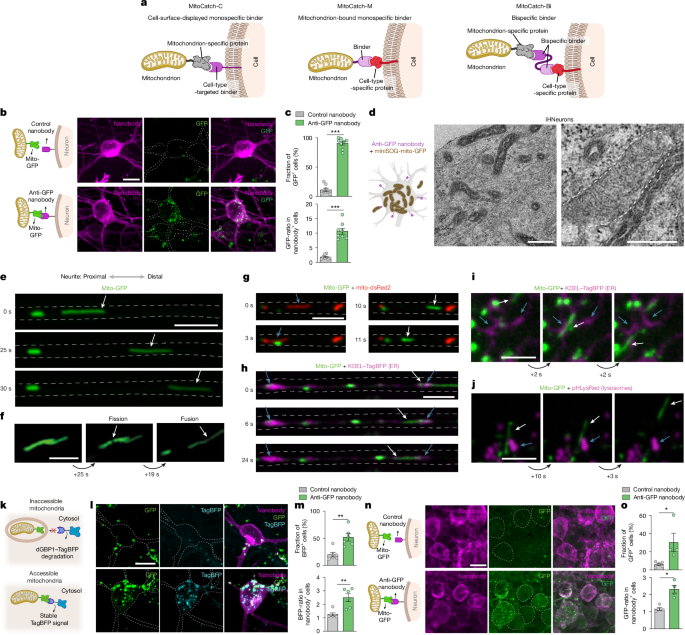
MitoCatch: Targeted Mitochondrial Transplantation to Rescue Diseased Cells
The biological boundary of the cell has long been the primary hurdle in treating metabolic failure. However, a breakthrough in mitochondrial transplantation, detailed in a recent study published in Nature, suggests we can now bypass this barrier to “reboot” diseased cells by delivering healthy mitochondria directly to the site of degeneration.
Key Clinical Takeaways:
- Targeted Delivery: The “MitoCatch” system allows for cell-type-specific transplantation of healthy mitochondria, reducing off-target effects.
- Reversing Degeneration: Early data indicates that restoring mitochondrial function can rescue cells from apoptotic pathways and metabolic collapse.
- Broad Application: This technology holds potential for treating neurodegenerative diseases and organ failure where mitochondrial dysfunction is a primary driver of morbidity.
For decades, the medical community has viewed mitochondrial decay as an inevitable trajectory in aging and chronic disease. Mitochondria—the powerhouses of the cell—are responsible for adenosine triphosphate (ATP) production; when they fail, the resulting oxidative stress and energy depletion trigger a cascade of cellular death. While systemic antioxidants and metabolic supplements have been the standard of care, they often fail to penetrate the cellular membrane in concentrations sufficient to reverse advanced pathogenesis. The clinical gap has always been delivery: how do we move a massive, double-membrane organelle into a specific, diseased cell without destroying the organelle or the host cell in the process?
The Mechanistic Logic of the MitoCatch System
The innovation centers on a sophisticated delivery vehicle termed “MitoCatch.” Unlike previous attempts at mitochondrial transfer, which relied on imprecise extracellular vesicles or crude injections, MitoCatch utilizes a targeted approach to ensure the healthy organelles reach the precise cell type in need. By leveraging specific ligands that bind to receptors on the surface of diseased cells, the system facilitates the internalization of healthy mitochondria via endocytosis, effectively replacing a failing power plant with a functional one.
This process addresses the fundamental issue of mitochondrial DNA (mtDNA) mutations and respiratory chain deficiencies. When healthy mitochondria are integrated, they restore the membrane potential and normalize the metabolic flux of the cell. This is not merely a temporary patch; it is a functional rescue that halts the progression of cell degeneration. This research, funded largely by academic grants and institutional research funds associated with the lead authors’ universities, represents a shift from pharmacological management to cellular engineering.
“The ability to selectively target mitochondria to specific cell populations transforms our approach to metabolic medicine. We are moving from treating the symptoms of energy failure to physically restoring the cellular machinery required for life,” says Dr. Elena Rossi, a specialist in cellular bioenergetics not involved in the original study.
For patients currently battling mitochondrial myopathies or early-stage neurodegenerative decline, the transition from theoretical research to clinical application requires a precise diagnostic roadmap. Identifying the specific mitochondrial dysfunction is a prerequisite for any future targeted therapy. It is critical for patients to undergo comprehensive metabolic screening via specialized diagnostic centers to determine if their pathology aligns with the candidates for these emerging cellular therapies.
Clinical Trial Framework and Efficacy Analysis
As this technology is currently in the preclinical and early translational stages, the focus remains on efficacy, safety, and the biological mechanism of action. To understand where MitoCatch sits in the broader landscape of drug development, it is helpful to contrast its current status with traditional clinical research phases.
| Research Phase | Primary Objective | MitoCatch Current Status | Clinical Focus |
|---|---|---|---|
| Preclinical | In vitro/In vivo efficacy & toxicity | Completed/Ongoing | Proof of concept in animal models and cell cultures. |
| Phase I | Safety and Dosage (Minor cohort) | Planning/Early Stage | Evaluating the immune response to transplanted mitochondria. |
| Phase II | Therapeutic Efficacy (Patient group) | Future Target | Measuring the rate of cell rescue in human subjects. |
| Phase III | Comparative Efficacy (Large scale) | Long-term Goal | Comparing MitoCatch against current standard of care. |
The primary risk associated with mitochondrial transplantation is the potential for an adverse immune response. While mitochondria are internal organelles, the delivery vehicle (the “Catch” mechanism) must be biocompatible to avoid triggering a systemic inflammatory response or cytokine storm. The study published in Nature emphasizes that the targeted nature of the delivery minimizes the exposure of healthy tissue to the intervention, thereby reducing the probability of off-target toxicity.
As this technology moves toward human trials, the regulatory hurdles will be significant. The FDA and EMA will require rigorous data on the origin of the donor mitochondria and the long-term stability of the transplanted organelles. For the biotechnology firms and research hospitals developing these protocols, navigating the complex intersection of cellular therapy and organ transplantation law is paramount. Many institutions are now engaging healthcare compliance attorneys to ensure that their trial designs meet the stringent requirements for “Advanced Therapy Medicinal Products” (ATMPs).
Overcoming the Pathogenesis of Cell Death
The implications of the MitoCatch system extend beyond a single disease. By reversing the metabolic collapse of a cell, this approach could potentially treat a spectrum of conditions, from ischemic stroke—where oxygen deprivation kills neurons—to chronic heart failure, where cardiomyocytes lose their ability to contract due to mitochondrial decay. The biological mechanism involves the stabilization of the mitochondrial permeability transition pore (mPTP), which, when left unchecked, leads to the release of cytochrome c and the activation of caspases, culminating in programmed cell death (apoptosis).
By introducing healthy mitochondria, the cell can regain its ability to regulate calcium homeostasis and produce sufficient ATP to maintain ion pumps. This effectively “reboots” the cell, shifting it from a state of senescence or imminent death back to a functional metabolic state. This level of precision is a stark contrast to the systemic administration of drugs, which often results in a high morbidity rate due to side effects in non-target organs.

“We are seeing a paradigm shift where the organelle itself becomes the drug. The challenge is no longer just about the ‘what’—the healthy mitochondria—but the ‘how’—the delivery system that ensures they reach the right destination,” notes Dr. Julian Thorne, a PhD in Molecular Biology and translational medicine.
For clinicians managing patients with complex metabolic disorders, the arrival of cell-targeted therapies necessitates a more integrated approach to care. The synergy between geneticists, neurologists, and metabolic specialists is essential. Patients should seek guidance from board-certified neurologists or metabolic specialists to stay informed about the eligibility criteria for upcoming clinical trials involving mitochondrial transfer.
The Future of Cellular Bioenergetics
The trajectory of mitochondrial transplantation suggests a future where “organelle replacement therapy” becomes a viable clinical option. While we are still years away from widespread bedside application, the proof-of-concept established by the MitoCatch system provides a blueprint for treating previously irreversible degeneration. The focus will now shift toward optimizing the “payload”—the quality and quantity of mitochondria delivered—and refining the targeting ligands to cover a wider array of cell types.
The transition from the laboratory to the clinic will depend on the ability to scale the production of high-quality, healthy mitochondria and the development of standardized protocols for their administration. As we refine these techniques, the goal is to move away from palliative care for metabolic diseases and toward a curative model of cellular restoration. To ensure the highest standard of care during this transition, patients and providers should rely on vetted medical professionals and accredited research institutions found within our global health directory.
Disclaimer: The information provided in this article is for educational and scientific communication purposes only and does not constitute medical advice. Always consult with a qualified healthcare provider regarding any medical condition, diagnosis, or treatment plan.