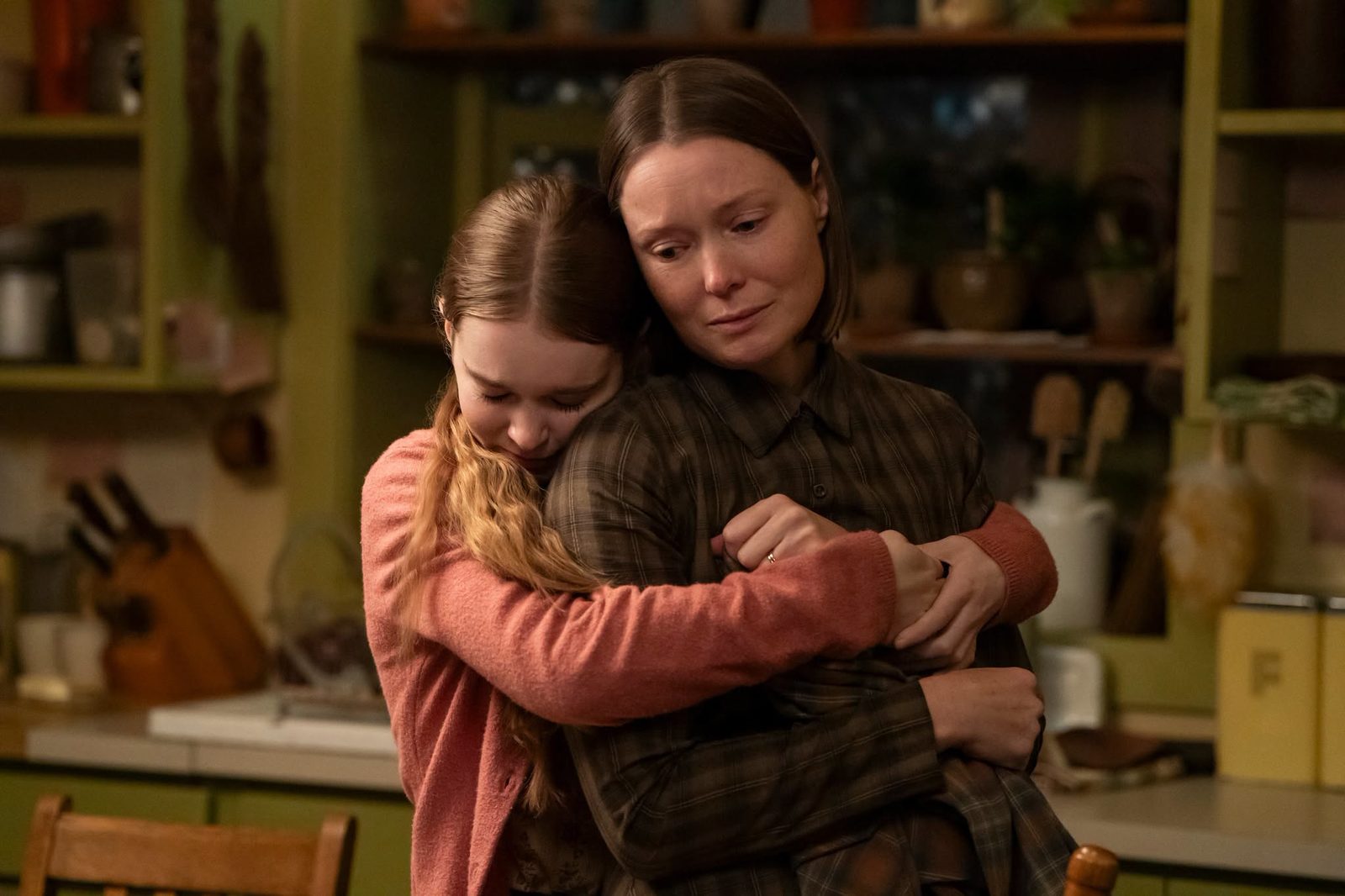
Mike Flanagan adapts Stephen King’s Carrie for Amazon Prime Video
Mike Flanagan’s eight-episode adaptation of Stephen King’s Carrie, which premiered on Amazon Prime Video, reimagines the classic horror narrative through the lens of modern social anxieties. Starring Summer H. Howell as the titular character, the series explores the intersection of telekinetic power, high school bullying, and contemporary digital-age trauma.
Flanagan’s Reimagining of King’s IP
The series marks another milestone in director Mike Flanagan’s work with Stephen King’s bibliography. The production balances the original novel's iconic plot points with an expanded focus on character development and the systemic environments that foster adolescent violence.
The narrative shift is evident from the first episode. Carrie White, raised in an isolated, cult-like household by her mother, Margaret (Samantha Sloyan), enters the public school system only after the death of her father. Her introduction to the modern high school experience is marked by immediate friction: she triggers school metal detectors with her crucifix, and her homemade clothing draws instant scrutiny from peers. This version of the story emphasizes the “bubble” in which Carrie was raised, framing her entry into society as a clash between her sheltered upbringing and a world defined by digital surveillance and real-world threats.
School Shootings and Online Harassment Drive the Plot
The series integrates contemporary social issues, most notably the prevalence of school shootings and online harassment, as central plot drivers. A key scene involves a school shooting drill—a concept entirely foreign to Carrie—which results in her public humiliation. This instance of social alienation, compounded by bullying in the locker room, leads to the creation of a derogatory online persona under the name “Bloody Carrie.”
The showrunner utilizes these elements to examine how social environments can exacerbate existing tensions. In the series, the character of Chris Hargensen is depicted as a victim of her own social circumstances.
The Structural Evolution of the Narrative
By expanding the story into an eight-episode format, Flanagan moves beyond the limitations of previous film adaptations. The series employs a documentary-style framing device—featuring interviews with characters like Sue Snell (Sienna Agudong)—to provide retrospective analysis of the events. This structural choice allows the show to function as an encyclopedia of King’s recurring themes: telekinesis, religious extremism, and the volatile nature of adolescence.
The open-ended nature of the finale suggests potential for future installments.
The contextual updates ensure that the story retains its relevance. The transformation of schoolyard bullying into a persistent, digital-age threat provides a grim but effective framework for the tragedy. Flanagan’s Carrie stands as a modern interpretation of King’s work, prioritizing the psychological stakes of its characters over simple genre tropes.
Disclaimer: The views and cultural analyses presented in this article are for informational and entertainment purposes only. Information regarding legal disputes or financial data is based on available public records.