
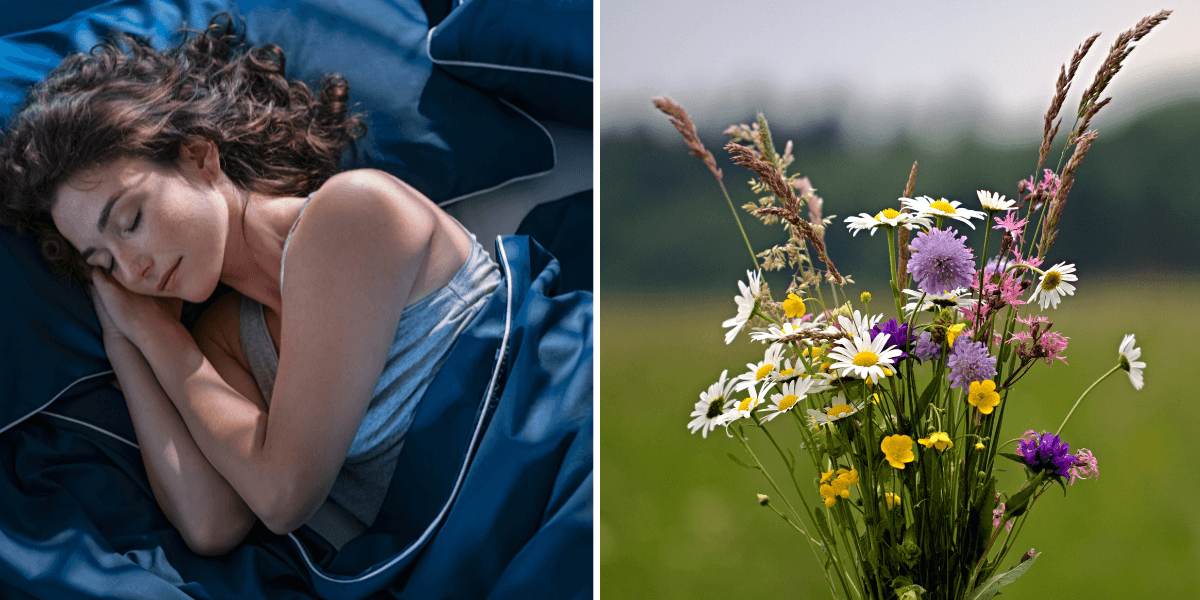
Boost Your Memory While You Sleep: nighttime Scents Proven to Enhance Recall
In a groundbreaking development for cognitive enhancement, a recent study indicates that using specific scents during sleep can dramatically improve memory recall. The 2023 research from the University of California Irvine (UCI) showed a remarkable 226% increase in memory capacity among participants exposed to varying fragrances overnight,compared to a control group.
The Science Behind Scent and Memory
the UCI study, led by researcher Michael Leon at the Center for the Neurobiology of Learning & Memory, involved 43 healthy adults aged 60 to 85. Participants were given a fragrance diffuser and seven different aroma oils: rose, orange, eucalyptus, lemon, peppermint, rosemary, and lavender. One group received strong scents,while the control group received very weak concentrations.
Did You Know? The human sense of smell is directly linked to the brain’s limbic system, which controls emotions and memories.
The results confirmed what previous research has suggested: fragrance stimulation is beneficial for the brain. Researchers believe that these scents activate the brain’s limbic system, strengthening connections vital for memory formation.
Specific Scents and Their Impact
While the UCI study used a combination of scents, other research has explored the individual benefits of specific fragrances. Such as, rosemary has long been associated with improved memory and cognitive function WebMD.
| Scent | Potential Benefit |
|---|---|
| Rose | Relaxation and mood enhancement |
| Orange | Stress reduction and alertness |
| Rosemary | Improved memory and concentration |
| Lavender | Sleep promotion and anxiety relief |
Practical Ways to Train Your nose and Boost Memory
Ready to try it yourself? Summer offers a perfect opportunity to engage your sense of smell. Here are some easy ways to get started:
Create a Scent Garden
Plant fragrant herbs and flowers like lavender, rosemary, and mint in your garden or on your balcony.
Explore Nature
Take walks in parks and gardens, consciously smelling the flowers and plants. Try to identify different scents and connect them to memories.
Use Essential Oils
Place a few drops of essential oil on a handkerchief or use a diffuser at home,especially before going to sleep.
Pro Tip: Experiment with different scent combinations to find what works best for you. Keep a journal to track your memory and mood changes.
Additional research and Considerations
A separate study from South Korea found that dementia patients who smelled 40 different scents twice a day experienced improved memory and reduced depression symptoms.This reinforces the potential of fragrance therapy for cognitive health.
While more research is needed,the existing evidence suggests that fragrance therapy can be a simple and natural way to awaken memories and protect the brain.
The Future of Memory Enhancement
As the global population ages, finding effective and accessible ways to combat memory loss is becoming increasingly important. Scent-based memory enhancement offers a promising avenue for future research and practical application.
What scents evoke your strongest memories? How might you incorporate scent training into your daily routine?
Evergreen Insights: The Enduring Power of Scent
The link between scent and memory has been recognized for centuries. Proust’s famous “madeleine moment” in *Remembrance of Things Past* vividly illustrates how a scent can unlock a flood of memories. This phenomenon is rooted in the unique way our brains process olfactory data.
Unlike other senses,smell bypasses the thalamus and goes directly to the amygdala (emotional center) and hippocampus (memory center) of the brain. This direct connection explains why scents can trigger such powerful and emotional memories.
The use of aromatherapy for therapeutic purposes dates back thousands of years, with ancient civilizations using fragrant oils and herbs for healing and well-being. Today, aromatherapy is gaining renewed interest as a complementary therapy for various conditions, including memory loss and cognitive decline.
Frequently Asked Questions About Scent and Memory
- How can scents improve memory?
- Research suggests that certain scents can stimulate the brain’s limbic system, which is responsible for emotions and memories. Regular exposure to these scents may strengthen neural connections crucial for memory formation.
- which scents are best for boosting memory?
- Studies have shown that scents like rose, orange, rosemary, eucalyptus, lemon, peppermint, and lavender can be effective in improving memory. The University of California Irvine study used a combination of seven different aroma oils.
- How much can scents improve memory?
- A 2023 study from the University of California Irvine indicated that participants exposed to changing scents during sleep experienced a 226% improvement in memory capacity compared to a control group.
- Is scent-based memory improvement effective for dementia patients?
- A South Korean study revealed that dementia patients who smelled 40 different scents twice daily showed improvements in both memory and reduced symptoms of depression. This aligns with other research suggesting the benefits of fragrance stimulation for the brain.
- What is the best time to use scents for memory enhancement?
- Summer is an ideal time to train your nose,as gardens and parks are filled with natural scents. Though, using essential oils or a scent diffuser at home, especially before sleep, can also be effective year-round.
- Are there any risks associated with using scents for memory improvement?
- Generally,using essential oils and fragrances for memory improvement is considered safe. However, it’s essential to ensure that the scents used are of high quality and that individuals are not allergic to any of the specific fragrances. Consult with a healthcare professional if you have concerns.
Disclaimer: This article provides information for general knowledge and informational purposes only, and does not constitute medical advice. It is indeed essential to consult with a qualified healthcare professional for any health concerns or before making any decisions related to your health or treatment.
Share this article with your friends and family! What are your favorite scents and the memories they evoke? Let us know in the comments below. Subscribe to our newsletter for more health and wellness tips!
