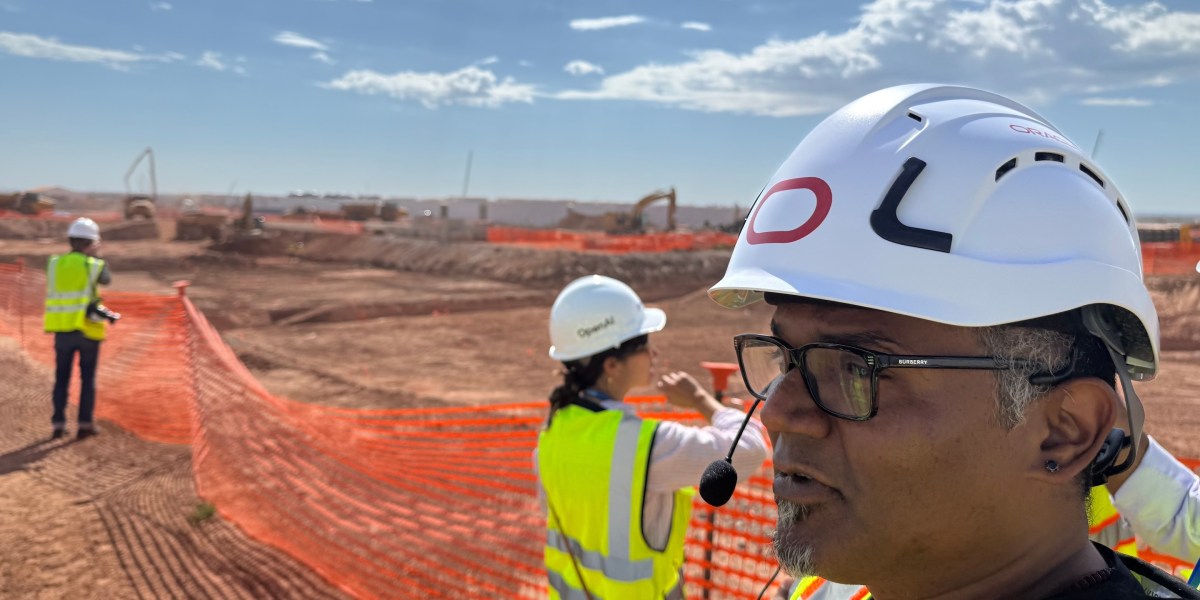
Microsoft Takes Over Texas AI Data Center Project After OpenAI Declines
Microsoft has officially acquired a massive data center construction project in Abilene, Texas, previously slated for OpenAI, securing 2.1 gigawatts of critical computing capacity. This strategic pivot highlights a divergence in hyperscale infrastructure strategies: Microsoft is consolidating power for Azure dominance, while OpenAI decentralizes its compute footprint across six new locations to mitigate single-point failures.
The fiscal reality behind this land swap is stark. In the high-stakes game of artificial intelligence, compute is the new oil, but energy is the refinery. OpenAI’s decision to walk away from further expansion in Abilene signals a saturation point in their current infrastructure model, forcing a redistribution of capital expenditure. For Microsoft, absorbing this project isn’t just about real estate; it is a defensive maneuver to lock in power generation assets before grid constraints strangle growth. As hyperscalers race to deploy the next generation of neural architectures, the bottleneck has shifted from chip availability to energy infrastructure consulting and grid interconnection speeds.
The Decoupling of Cloud Partners
For years, the narrative suggested a symbiotic lock-step between Microsoft and its most famous portfolio company. That era is ending. While Microsoft retains a roughly 27% stake in OpenAI, the operational divergence is now visible on the ground in West Texas. OpenAI’s Sachin Katti confirmed the strategic shift in a post on X, noting that while the Stargate site remains a flagship, additional capacity is being routed elsewhere, including a new Oracle partnership in Wisconsin.
This geographic fragmentation is a risk management play. Concentrating 2.1 gigawatts of load in a single tract creates vulnerability to regional grid instability or regulatory hurdles. By spreading the load, OpenAI is effectively hedging its operational continuity. Meanwhile, Microsoft is betting on density. The acquisition of the Crusoe-developed site allows Redmond to integrate these facilities directly into the Azure ecosystem, bypassing the latency and contractual friction of third-party cloud rentals.
“We’re burning gas to run this data center,” OpenAI CEO Sam Altman admitted during a site visit last year, highlighting the immediate tension between AI acceleration and decarbonization goals.
Three Structural Shifts in the AI Infrastructure Market
The transfer of the Abilene project from OpenAI to Microsoft is not an isolated event; it is a symptom of broader market corrections occurring in the hyperscale sector. Based on current capital allocation trends and energy procurement data, three specific shifts are redefining the landscape for the upcoming fiscal quarters:
- The Rise of Behind-the-Meter Generation: The reliance on the regional grid is becoming a liability. Crusoe’s announcement details a new 900-megawatt power plant attached specifically to the Microsoft project. This exceeds the existing 350-megawatt gas-fired plant serving OpenAI. We are witnessing a transition where tech giants are effectively becoming utility companies, necessitating partnerships with specialized industrial construction management firms capable of building generation assets alongside compute facilities.
- Capex Divergence and Margin Pressure: Microsoft’s willingness to absorb a project OpenAI rejected suggests a difference in return-on-invested-capital (ROIC) thresholds. Microsoft, with its diversified enterprise revenue stream, can absorb the heavy depreciation of “AI factories” more easily than a standalone AI lab burning cash. This disparity will likely widen the margin gap between diversified cloud providers and pure-play AI developers in the next two earnings cycles.
- Regulatory Friction in Land Employ: Converting mesquite shrub lands into industrial zones requires navigating complex zoning laws and environmental impact statements. As the “Stargate” initiative expands, the speed of deployment will depend less on engineering and more on legal navigation. Firms specializing in commercial real estate law and environmental compliance are becoming the unsung heroes of the AI boom, determining how quickly a data center can go live.
The Energy Equation and Fiscal Reality
The sheer scale of the Abilene complex—expected to reach 10 buildings total—underscores the insatiable appetite for power. A single gigawatt can power roughly 750,000 homes; Microsoft is effectively lighting up a small city solely for inference and training workloads. This intensity complicates the industry’s stated commitments to net-zero emissions. As noted in recent sustainability reports from major tech conglomerates, Scope 2 emissions are skyrocketing due to data center load.
Crusoe CEO Chase Lochmiller stated the new power plant aims to build an “industrial foundation for American AI at a velocity the industry has never seen.” However, velocity often comes at the cost of efficiency. The reliance on natural gas as a primary baseload, rather than a backup, invites scrutiny from ESG-focused institutional investors. According to analysis from major investment banks, the cost of power purchase agreements (PPAs) for AI-dedicated facilities is expected to rise by 15-20% over the next 18 months as demand outstrips supply in key corridors like Texas and Virginia.
This environment creates a specific B2B problem: how to secure reliable, cost-effective power without violating corporate sustainability mandates. The solution lies in hybrid energy architectures. We are seeing a surge in demand for firms that can engineer microgrids capable of balancing intermittent renewable sources with gas-fired reliability. This is no longer just an IT procurement issue; it is a fundamental energy strategy challenge.
Market Trajectory: The Consolidation Phase
As Microsoft solidifies its hold on the Abilene tract, the message to the market is clear: infrastructure consolidation is accelerating. Smaller players without the balance sheet to build their own “AI factories” or secure dedicated power generation will increasingly find themselves priced out of the training market. They will be forced to rent capacity from the hyperscalers, cementing the oligopoly of the cloud giants.
For investors and corporate strategists, the takeaway is pragmatic. The AI boom is moving from the software layer to the physical layer. The value is shifting from code to concrete and copper. Companies that can navigate the complexities of industrial power generation and specialized construction will define the winners of the next decade. As this sector matures, the need for vetted partners who understand the intersection of heavy industry and high-tech becomes paramount. Executives looking to replicate this scale must look beyond standard IT vendors and engage with the heavy industrial ecosystem that makes the cloud possible.
The Abilene deal is just the first domino. Expect more land swaps, more on-site power plants, and a fierce battle for every available megawatt in the coming quarters. The directory of winners is being written not in code, but in kilowatts.