
Methylene Blue: Miracle Drug or Risky Trend?
Methylene blue, a chemical compound with a history stretching back to the 19th century, is currently experiencing a surge in popularity as a purported health supplement. Online communities are buzzing with testimonials, fueled by claims of cognitive enhancement and overall well-being.
This resurgence has been amplified by endorsements from prominent figures. Health influencers, including podcaster Joe Rogan, have publicly discussed it’s potential benefits. In February 2025, Robert F. Kennedy Jr., shortly before his confirmation as health and human services secretary, was seen in a video consuming a blue liquid, widely believed to be methylene blue, though he never explicitly endorsed it.
But what exactly is methylene blue, and are the claims surrounding its benefits supported by scientific evidence? While the allure of enhanced cognitive function is strong, it’s crucial to examine the facts before embracing this trend.
The Dual Nature of Methylene Blue
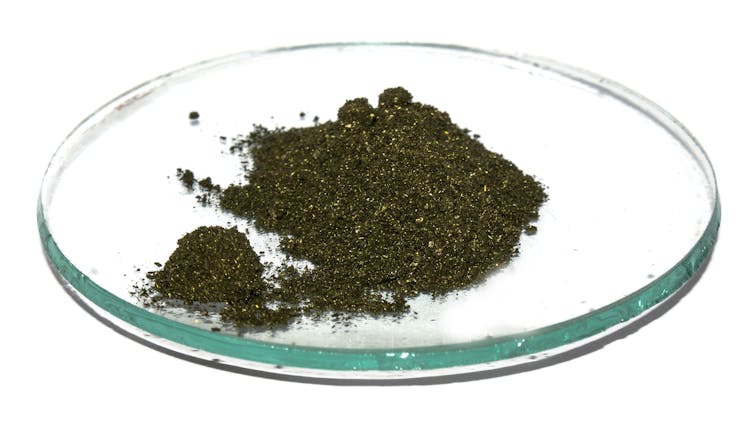
Methylene blue is a synthetic dye that presents as a dark green powder, transforming into a deep blue solution when dissolved in water. Unlike some common food dyes derived from petroleum, methylene blue belongs to a different family of dyes, not currently associated with the same health concerns.
originally synthesized in 1876 for textile dyeing, its medical potential was soon recognized. German physician Paul Ehrlich discovered its ability to stain biological tissues and kill the malaria parasite, marking it as one of the first synthetic drugs
.
While it didn’t become a mainstay malaria treatment due to the availability of quinine,methylene blue found another application in the 1930s: testing the safety of raw milk. Its ability to indicate bacterial contamination hinged on its unique chemical property: its molecules can swap electrons with other molecules, like a tiny battery charger.
Methylene Blue in Modern medicine
This “chemical superpower” underpins its current medical uses. Doctors primarily use methylene blue to treat methemoglobinemia, a rare blood disorder where hemoglobin, the oxygen-carrying protein in red blood cells, is impaired. Methylene blue restores hemoglobin’s function
by facilitating electron transfer.
Furthermore, it’s employed in treating carbon monoxide poisoning, septic shock, and toxicities from certain drugs, including chemotherapy. Surgeons also utilize it as a dye to highlight specific tissues, such as lymph nodes, or to identify tissue damage.
The Brain Connection: Promise and Reality
Methylene blue’s ability to cross the blood-brain barrier has sparked interest in its potential neurological effects. Research indicates it can protect and support mitochondria
, the cell’s powerhouses, and may help mitochondria generate energy
for cells.
However, much of the current understanding comes from animal studies. In rats, methylene blue has shown promise in improving learning, boosting memory, and protecting brain cells in models of Alzheimer’s disease. It has also demonstrated protective effects against brain injury and stroke in rodents.
Clinical trials in humans with Alzheimer’s disease have yielded mixed and not conclusive
results.One small study showed a 7% memory boost and increased brain activity with a low dose, while another found changes in brain connectivity without improved thinking skills.
While some studies suggest potential benefits for pain management and neuropsychiatric disorders, these findings are preliminary and require further examination. This suggests that while there may be patient circumstances where methylene blue is beneficial, researchers have not yet pinned down what those are.
Safety Concerns and Potential Risks
While generally safe under medical supervision,methylene blue carries significant risks,notably when used without professional guidance.
- Drug Interactions: Methylene blue inhibits monoamine oxidase, an enzyme that breaks down serotonin. Combining it with antidepressants that target serotonin
can cause a condition called serotonin syndrome
, leading to agitation, confusion, high fever, rapid heart rate, muscle stiffness, and potentially death. - G6PD Deficiency: In individuals with G6PD deficiency,methylene blue
can cause a perilous condition
where red blood cells break down rapidly. - High Doses: Elevated doses can raise blood pressure and cause heart problems.
- Pregnancy and Breastfeeding: It is considered unsafe for pregnant or breastfeeding women due to potential harm to the fetus or baby.
The FDA issued a drug safety communication regarding the interaction between methylene blue and serotonergic psychiatric medications, warning of the risk of serotonin syndrome.
Ultimately, while methylene blue exhibits intriguing properties, extensive research is needed to determine its true efficacy, optimal dosage, and long-term safety.
