
Shingles Vaccination now Widely Recommended to Combat Rising Cases and Prevent Long-Term complications
Table of Contents
Berlin, Germany – Health officials are emphasizing the importance of shingles vaccination following recommendations from the Standing Committee on Vaccination (STIKO) and growing awareness of the debilitating effects of the disease. Shingles, a painful rash caused by the reactivation of the varicella-zoster virus – the same virus that causes chickenpox – poses a significant health risk, especially for older adults and individuals with weakened immune systems.
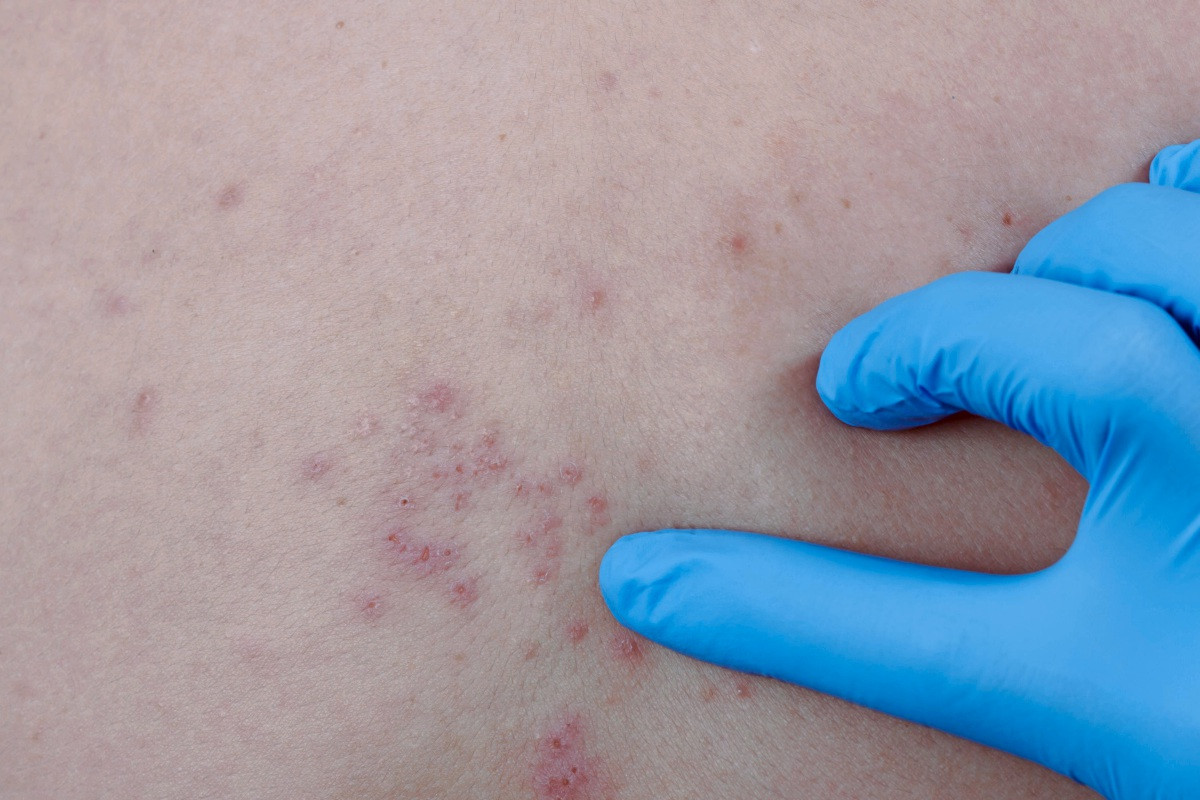
Shingles occurs when the varicella-zoster virus, which remains dormant in nerve cells after a chickenpox infection, is reactivated. The virus travels to nerve endings in the skin, causing a painful rash that typically appears as a band or strip on one side of the body. While most cases resolve within a few weeks, a considerable minority of patients experience postherpetic neuralgia (PHN), a chronic nerve pain that can persist for months or even years after the rash has healed.
Several factors can increase the risk of developing shingles or experiencing a severe course of the illness. Age is a primary risk factor, with the incidence of shingles increasing significantly after age 50. Individuals with compromised immune systems due to conditions like HIV/AIDS, cancer, or autoimmune diseases, or those undergoing immunosuppressive treatments (such as chemotherapy or organ transplantation), are also at heightened risk. Moreover, chronic diseases and psychological stress can contribute to viral reactivation.
Vaccination Offers Robust Protection Against Shingles and its Complications
In 2019, STIKO broadened its recommendations to include vaccination against shingles for all individuals aged 60 and over, and for those with chronic illnesses starting at age 50. The currently available vaccine is well-tolerated and provides substantial protection against both the advancement of shingles and the potentially debilitating complications, particularly PHN.
The vaccine regimen consists of two doses administered between two and six months apart. “From a neurological point of view, vaccination is a clear advancement in the care of older people,” explains Dr. Mauz, a neurologist. “It not only protects against shingles itself, but, crucially, against the persistent nerve pain that can result from it.” The cost of vaccination is typically covered by statutory health insurance in Germany.
The varicella-zoster virus affects an estimated 1 million people annually in the United States alone, according to the Centers for Disease Control and Prevention (CDC). While a chickenpox vaccine introduced in 1995 has dramatically reduced the incidence of chickenpox, it has also led to a decline in natural immunity to the virus, potentially increasing the risk of shingles in adults who were vaccinated against chickenpox as children.
Medius Clinics Urge Proactive Vaccination
“Discuss shingles vaccination with your family doctor – especially if you fall into a risk group,” advises Medius Clinics. “Early preventative measures are the most effective way to protect yourself from pain, complications, and unnecessary suffering.”
