Medical Groups Issue Fall Vaccine Guidance Amid CDC Silence
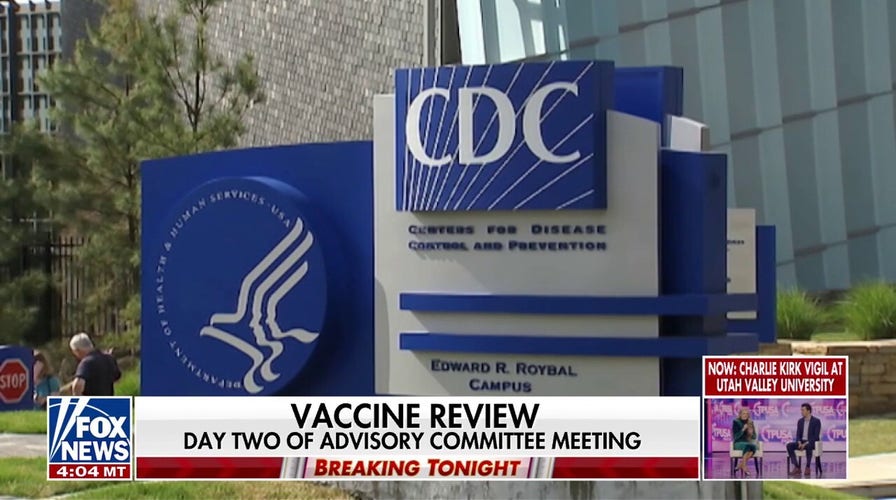
As children return to school and cooler weather approaches for the 2026–2027 respiratory season, individuals across the United States face an information void regarding fall immunizations for COVID-19, influenza, and respiratory syncytial virus (RSV), according to reporting by CNN. While the US Centers for Disease Control and Prevention typically launches a comprehensive fall immunization campaign at this time of year, the agency has remained mostly silent under the second Trump administration, issuing no new recommendations for RSV immunization or updated COVID-19 vaccines for the current season.
- Federal health agencies have largely omitted new seasonal guidance for COVID-19 and RSV, prompting independent medical societies to step in.
- The American Medical Association, American Academy of Pediatrics, and other groups have released independent clinical guidance informed by a JAMA-published review.
- Major pharmacies are currently stocking flu and RSV immunizations, while updated COVID-19 vaccines approved by the FDA are rolling out.
Independent Medical Groups Fill Federal Guidance Vacuum
To help fill the void left by federal inaction, the American Medical Association and the University of Minnesota’s Vaccine Integrity Project launched an independent review of this fall’s respiratory vaccines, published in the medical journal JAMA as reported by CNN. These review papers informed the 2026–2027 respiratory virus immunization recommendations released Wednesday by several prominent medical organizations, including the American Academy of Pediatrics, the American Academy of Family Physicians, the American College of Obstetricians and Gynecologists, and the Infectious Diseases Society of America.
“For more than 60 years, the United States has benefited from an established federal process for evaluating vaccine evidence and translating that science into recommendations for the American public,” Dr. Bruce Gellin, board chair of the Vaccine Integrity Project and professor of medicine at Georgetown University, said during a news briefing covered by CNN. “Unfortunately today, the federal government is not fulfilling that responsibility in the way that it historically has. But the need for that work has not disappeared. Influenza, SARS-CoV-2 and the RSV viruses will circulate again this fall and winter.”
Gellin emphasized that clinicians, parents, older Americans, pregnant women, and people with underlying health conditions still require evidence-based guidance to protect themselves against viral pathogenesis and severe morbidity.
Current Status of CDC Updates and Vaccine Availability
The CDC updated its clinical guidance for the seasonal flu shot to maintain the framework from the July 2025 immunization schedule, noting on its website that those rules remain in effect for the 2026–2027 season, according to CNN. However, that update omitted mention of the first mRNA influenza vaccine, which was approved by the US Food and Drug Administration in August 2026 for use in older adults.
Despite federal gaps, commercial availability remains steady. Flu and RSV immunizations are currently accessible at major retail pharmacies, and updated COVID-19 formulations approved recently by the FDA are entering distribution channels. Insurers have assured major medical groups that coverage for these preventative respiratory immunizations will remain intact, according to statements made by Dr. Sarah Nosal, president of the American Academy of Family Physicians, during the press briefing reported by CNN.
“Vaccines are one of medicine’s greatest success stories. They prevent serious illness, reduce hospitalizations and long-term complications and save lives,” Nosal stated in a news release cited by CNN. “As federal guidance evolves, the science behind vaccines remains strong. These recommendations are grounded in the latest evidence, informed by public health experts and shaped by what family physicians are seeing every day in their patients.”
Future Outlook on Evidence-Based Public Health
As the medical community adapts to a decentralized advisory landscape for the 2026–2027 respiratory virus season, reliance on peer-reviewed literature and consensus statements from established professional societies will remain critical to maintaining population health standards. Ensuring high vaccine uptake across vulnerable demographics relies heavily on transparent clinical communication and robust primary care networks.
*Disclaimer: The information provided in this article is for educational and scientific communication purposes only and does not constitute medical advice. Always consult with a qualified healthcare provider regarding any medical condition, diagnosis, or treatment plan.*