Natural selection continues to alter modern human physiology
Genetic Adaptations in Modern Human Physiology
Biologists have long suspected that different groups of humans have evolved genetic adaptations in response to their diets, but there are very few cases where the evidence is this strong,
said Omer Gokcumen, an evolutionary anthropologist at the University at Buffalo, regarding how our species continues to evolve.
Human physiology continues to change across populations in response to environmental pressures, dietary shifts, and high-altitude living. While evolution is frequently visualized as an ancient transition from quadrupedal primates to upright hominids, current scientific findings indicate that natural selection remains active in modern human populations, altering traits from blood chemistry to digestion.
Lactose Tolerance and Starch Digestion in Human Populations
Dietary shifts over the past 10,000 years provide some of the clearest markers of recent natural selection. When human populations in Europe, East Africa, and the Middle East began domesticating livestock, adult humans lacked the biological capacity to process dairy. Genetic variants allowing lactose tolerance emerged and spread through these populations, enabling approximately 30 to 35 percent of the global adult population to digest milk today.

A parallel dietary adaptation occurred in the Andes of South America, where the Indigenous Quechua people integrated potatoes into their daily sustenance. Research shows that this population exhibits an unusually high capacity for starch digestion. Individuals with higher copy numbers of specific gene variants gained a modest survival and reproductive advantage of roughly 1.24 percent per generation starting around 10,000 years ago. Over millennia, individuals carrying lower copy numbers decreased within the demographic.
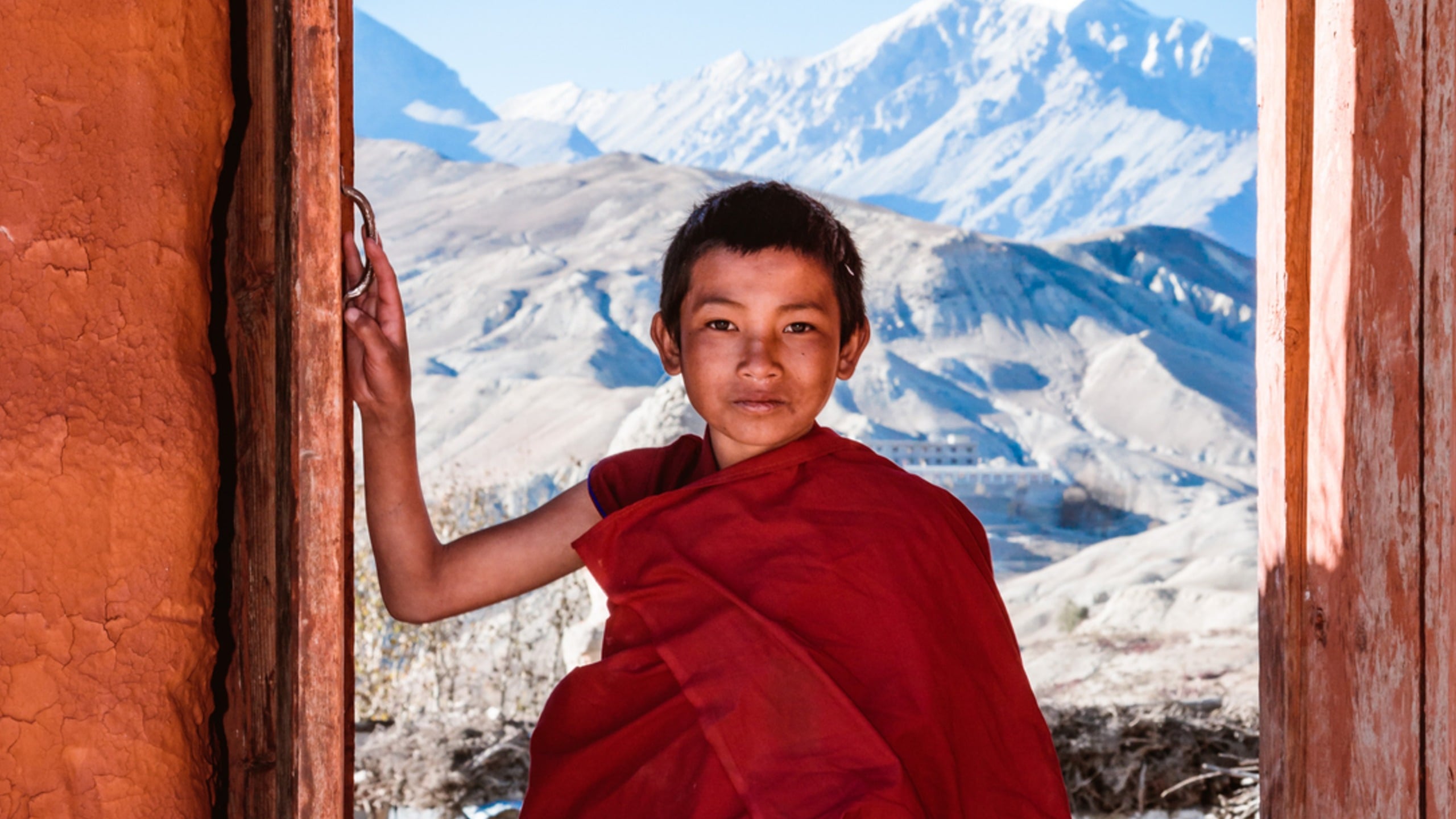
High-Altitude Oxygen Adaptations in Tibetan Communities
Environmental stressors have similarly shaped human blood composition. Anthropologist Cynthia Beall of Case Western Reserve University has spent years examining how communities sustain themselves in low-oxygen environments on the Tibetan plateau. In findings reported by ScienceAlert, Beall and her research team documented adaptive traits in Tibetan populations that enhance the oxygen-delivery capabilities of blood.
This ongoing natural selection manifests clearly in reproductive data. Among 417 Nepalese women living permanently at altitudes exceeding 3,500 meters, those demonstrating the highest rate of live births possessed red blood cells displaying elevated oxygen saturation. Beall noted that the data quantifies the direct physiological benefits of higher hemoglobin oxygen saturation.
Skin Pigmentation and Ultraviolet Radiation Pressures
Beyond internal biochemistry, selective pressures remain visible in human skin pigmentation. It is widely accepted that early humans in Africa had darker skin because it provided protection against DNA damage from strong ultraviolet radiation.
Disclaimer: The information provided in this article is for educational and scientific communication purposes only and does not constitute medical advice. Always consult with a qualified healthcare provider regarding any medical condition, diagnosis, or treatment plan.