
Australia Rejects Calls to Halt Arms Exports to Israel
Defence Minister Insists No Weapons Sent Amidst International Scrutiny
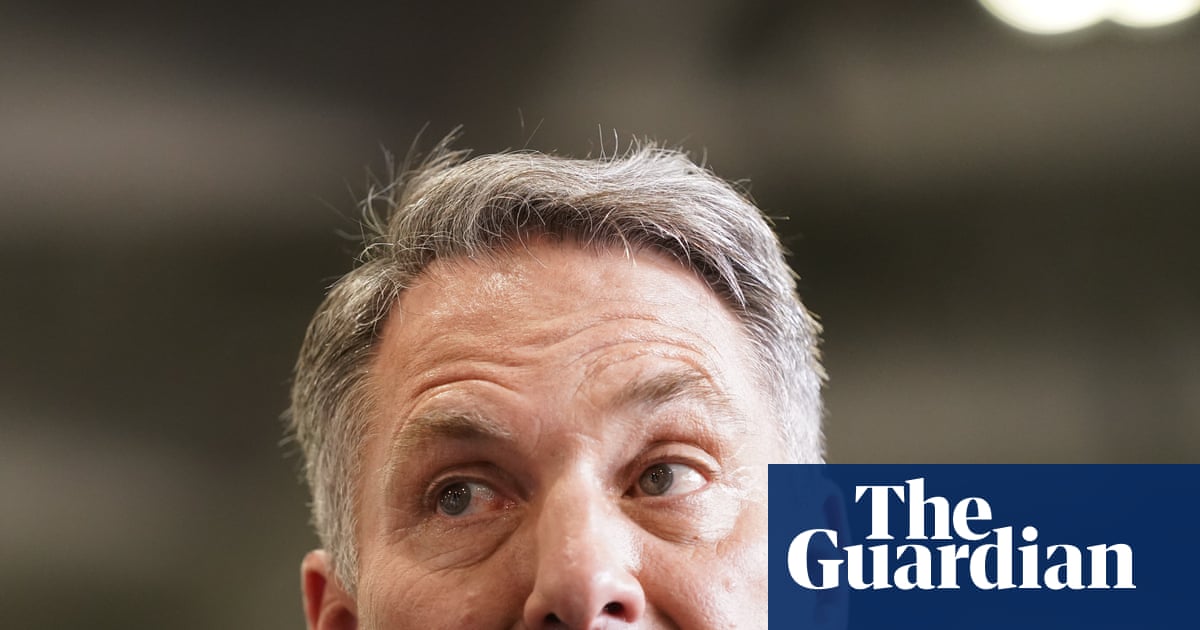
Canberra will not impose new export restrictions on Israel, with Defence Minister **Richard Marles** asserting that Australia is not supplying any weaponry to aid the ongoing conflict in Gaza. The statement comes as Germany has moved to cease its military equipment exports to Israel.
No Australian Weapons Supplied to Israeli Forces
Marles, serving as acting prime minister, explicitly stated on Sunday that Australia does not export weapons for use by the Israel Defense Forces (IDF). He dismissed claims of Australian arms shipments as misinformation. “Let’s be clear: we don’t supply weapons to Israel,”
Marles told ABC TV, adding that any Australian action equivalent to Germany’s would have no significant impact.
Greens Challenge Government Claims on F-35 Component Exports
The Greens have refuted the government’s assertions, with foreign affairs spokesperson David Shoebridge labelling the defence minister’s statements as hollow. Shoebridge highlighted Australia’s role in the F-35 fighter jet program, noting the nation’s production of critical components like bomb bay door mechanisms and its function as a regional distribution hub.
“Two years of hollow talking points from the Albanese government aren’t washing with the public any more as we watch a genocide in real time.”
—David Shoebridge, Greens Spokesperson on Foreign Affairs
Shoebridge argued that under international law, component parts are considered weapons and that the government’s inaction makes Australia complicit. He stated that ceasing F-35 parts exports to Israel would eventually ground their fleet.
Expert Opinion on Export Controls
Professor of international law at the Australian National University, Donald Rothwell, commented that Australian exports of weapon components to the IDF do contribute to the Israeli military campaign. He suggested that a more definitive stance would involve suspending all exports if Australia diplomatically, legally, and politically objects to Israel’s actions.
“The clearer position that Australia could take is that if it diplomatically, legally and politically objects to Israel’s occupation of Gaza, then all exports could be suspended for the time being. That would be the clearest way of ensuring that no Australian exports contribute to the Israeli military effort in Gaza.”
—Donald Rothwell, Professor of International Law, ANU
In November, The Guardian reported that Australia had revised or terminated at least 16 defence-related export permits to Israel, all issued before the October 7 attacks and not involving weapons or ammunition.
International Condemnation of Gaza Operations
Prime Minister Anthony Albanese stated that Australia maintains appropriate sanctions against members of Israel’s war cabinet and would not detail further considerations. Foreign Minister Penny Wong joined a joint statement with Germany, Italy, New Zealand, and the UK, condemning Israel’s plan for Gaza City as potentially worsening the humanitarian crisis and risking breaches of international law.
In a separate development, London’s high court recently upheld the lawfulness of the UK’s decision to permit F-35 fighter jet component exports to Israel, despite acknowledging their potential misuse in Gaza. This ruling aligns with a broader international debate on arms export accountability.
