
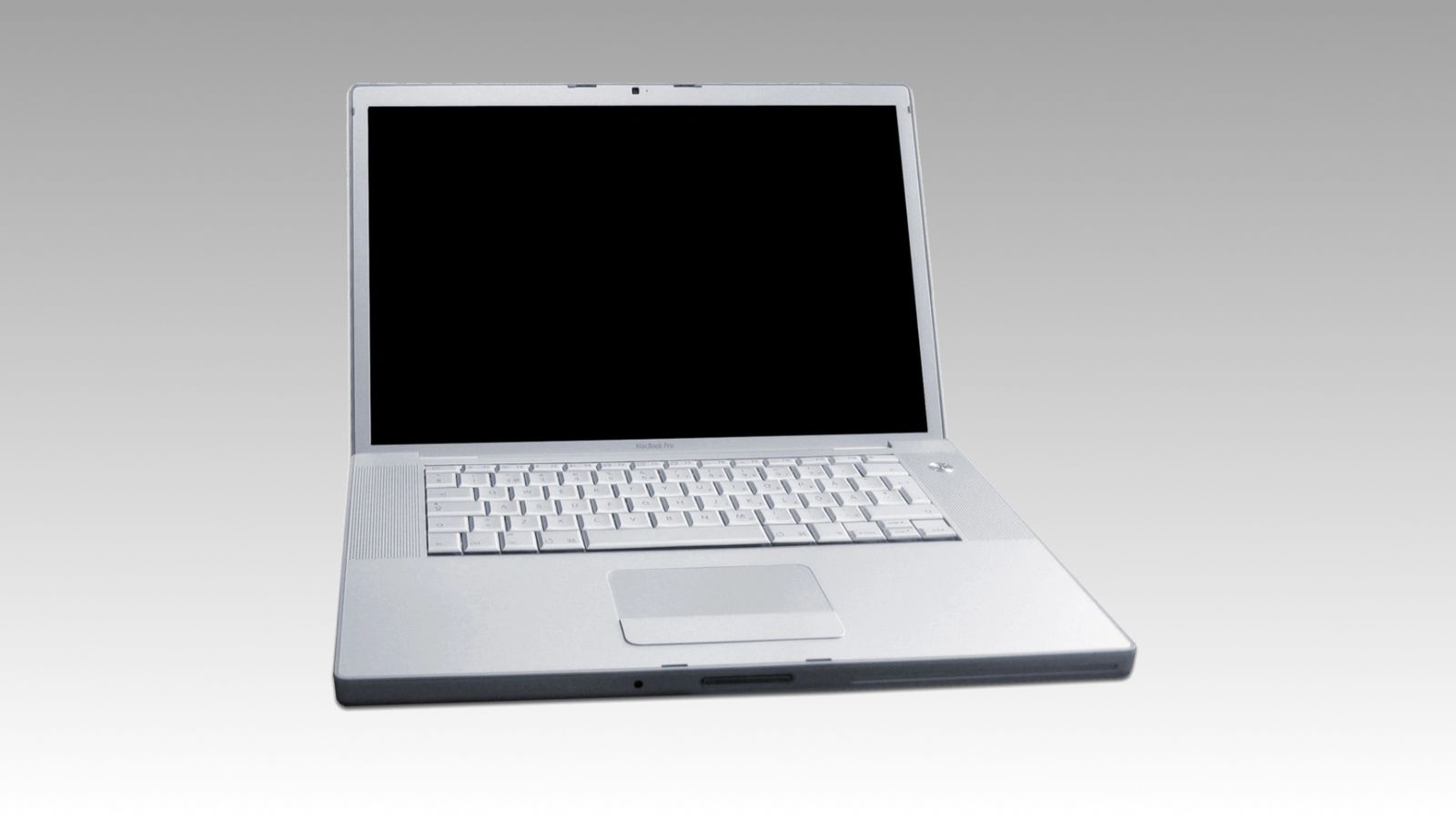
Twenty Years of Power and Innovation: A Look back at the MacBook Pro
Today, January 10th, marks a notable milestone: the 20th anniversary of the MacBook Pro. Unveiled by Steve Jobs as a signature “One More Thing” moment at the 2006 Macworld San Francisco keynote, the MacBook Pro wasn’t just a new laptop; it signaled a pivotal shift in Apple’s strategy and the future of professional computing. From its humble beginnings as a PowerBook successor to its current status as a powerhouse of performance, the MacBook Pro’s journey is a testament to Apple’s relentless pursuit of innovation.This article delves into the evolution of the MacBook Pro, exploring its key milestones, challenges, and what the future holds for this iconic machine.
From PowerBook to Pro: A Necessary Rebrand
Before the MacBook Pro, Apple’s professional laptop line was known as the PowerBook.However,the transition from PowerPC processors to Intel chips in 2006 necessitated a rebranding. This wasn’t merely a cosmetic change; it represented a basic shift in Apple’s hardware architecture. The move to Intel allowed Apple to tap into the performance benefits of x86 architecture, which was becoming dominant in the PC world. As ComputerWorld details, this transition was a complex undertaking, requiring significant software compatibility work, but ultimately proved crucial for Apple’s future success.
Initially, the MacBook Pro debuted in 15-inch and, shortly after, 17-inch sizes. The 13-inch aluminum MacBook, introduced in 2008, was later integrated into the macbook Pro lineup in 2009, solidifying the “Pro” designation as encompassing a range of screen sizes and performance levels.
the Original Pro: Specs and Early Iterations
The original MacBook Pro configurations,released in January 2006,offered a compelling proposition for professionals. the entry-level model, priced at $1,999, featured a 1.67GHz Core duo processor,512MB of DDR2 RAM,and an 80GB hard drive.The higher-end model, at $2,499, boasted a faster 1.83GHz Core Duo processor, 1GB of RAM, and a larger 100GB hard drive. These specifications, while modest by today’s standards, were competitive for their time and catered to the needs of creative professionals and developers.
Interestingly, Apple quickly responded to market demand and upgraded the processors in both models just a month after the initial release, showcasing a responsiveness to customer feedback that continues to be a hallmark of the company. The base model received a 1.83GHz Core Duo, while the high-end option jumped to 2.0GHz, with a 2.16GHz build-to-order option also becoming available.
Key Innovations and Controversies
Over its two-decade history,the MacBook Pro has been a breeding ground for innovation.Significant milestones include:
- Built-in iSight Camera: Early adoption of integrated webcams, becoming a standard feature in laptops.
- MagSafe Power Connector: A revolutionary magnetic power connector that prevented accidental damage and cable strain. Learn more about MagSafe.
- Unibody Aluminum Construction: Introduced in 2008, the unibody design provided increased durability and a premium aesthetic.
- Retina Display: The introduction of high-resolution Retina displays in 2012 dramatically improved visual clarity and detail.
- Apple Silicon Transition: The 2020 shift to Apple’s own M1 chip marked a turning point, delivering unprecedented performance and efficiency.
However, the MacBook Pro’s journey hasn’t been without its bumps. The Touch Bar, introduced in 2016, was met with mixed reactions. While intended to be a dynamic and customizable interface, many users found it less practical than traditional function keys. More substantially, the butterfly-mechanism keyboard, implemented between 2015 and 2019, proved notoriously unreliable, leading to widespread failures and a costly repair programme, as well as multiple class action lawsuits.
The Apple Silicon Revolution
The 2020 introduction of the M1 chip in the 13-inch MacBook Pro was a watershed moment. This marked Apple’s departure from Intel processors and the beginning of a new era of custom silicon. The M1 chip, and subsequent M-series chips (M1 Pro, M1 Max, M2, M3), offered significant improvements in performance, battery life, and thermal efficiency.
By designing its own chips,Apple gained greater control over the entire hardware and software stack,allowing for tighter integration and optimization. This has resulted in a noticeable performance boost across a wide range of tasks, from video editing and graphic design to software development and everyday productivity.The move to Apple Silicon also freed Apple from the constraints of Intel’s release cycles, allowing them to innovate at their own pace.
Looking Ahead: OLED, Touchscreens, and the Dynamic Island
Rumors suggest that the next major redesign of the MacBook Pro, potentially arriving in late 2026 or early 2027, will be even more transformative. Reports indicate that Apple is planning to incorporate OLED displays,which offer superior contrast ratios and color accuracy compared to traditional LCDs.
Perhaps even more exciting is the possibility of touchscreen support. While Apple has resisted adding touchscreens to its laptops for years, the technology has matured, and a touchscreen macbook Pro could open up new possibilities for creative workflows. Furthermore, speculation points to the integration of a Dynamic Island-like cutout in the display, similar to the one found on the iPhone 14 Pro and later models. This could house the webcam and othre sensors, while also providing dynamic notifications and system facts. MacRumors provides a detailed overview of these expectations.
Apple is also reportedly working on thinner and lighter designs, making its most powerful laptops even more portable.These advancements promise to further solidify the MacBook Pro’s position as the leading laptop for professionals.
Key Takeaways
- The MacBook Pro has evolved significantly over the past 20 years, from a PowerBook successor to a powerhouse of performance.
- The transition to Apple Silicon has been a game-changer, delivering unprecedented performance and efficiency.
- Future iterations of the MacBook Pro are expected to feature OLED displays, touchscreen support, and a Dynamic Island-like cutout.
- Despite some missteps (like the butterfly keyboard), the MacBook Pro remains the gold standard for professional laptops.
FAQ
Q: What was the original price of the first MacBook Pro?
The original 15-inch MacBook Pro started at $1,999 for the base configuration.
Q: What is Apple Silicon?
Apple Silicon refers to the family of system on a chip (soc) designs created by Apple, starting with the M1 chip.These chips are designed specifically for Apple products and offer significant performance and efficiency advantages.
Q: What was the biggest controversy surrounding the MacBook Pro?
The butterfly-mechanism keyboard, used from 2015 to 2019, was widely criticized for its unreliability and susceptibility to failures. Apple eventually launched a repair program and replaced the keyboard design.
