
Lynx Puppies Find new Life in Extremadura’s Monfragüe National Park
Table of Contents
Published by
world-today-news.com
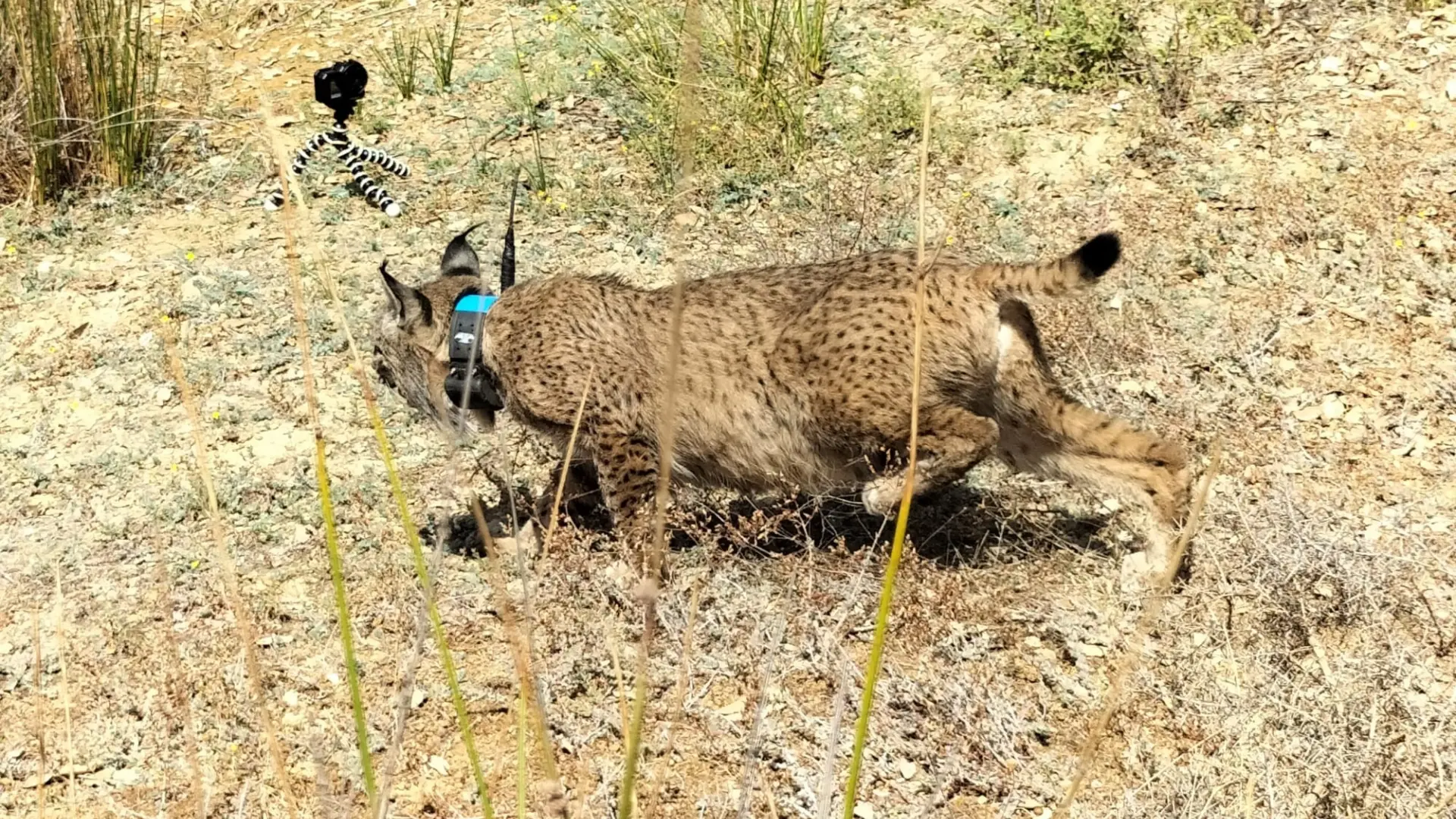
Extremadura, Spain – Four orphaned Iberian lynx puppies have been successfully released into a semi-wild adaptation zone within Monfragüe National Park, offering a beacon of hope for the endangered species. The release, which occurred Wednesday, marks a significant milestone in the region’s ongoing conservation efforts.
The puppies, whose mothers were tragically killed in separate traffic accidents just one month apart, were rescued and raised in captivity at the Granadilla facility. Remarkably,they were fostered by Flora,a female lynx who embraced the orphaned cubs as her own,teaching them essential hunting skills and providing maternal care.
Germán Puebla, the General Director of Sustainability of Extremadura, highlighted the remarkable nature of the situation. “It has been an absolutely amazing experience to see how Flora welcomed them, taught them to hunt rabbits and other animals, and took care of them as if they were her own,” he stated. The puppies and Flora are now being monitored via radio-frequency collars, allowing researchers to observe their adaptation to the wild.
This project, supported by European Funds Life Plus, aims to bolster the Iberian lynx population and re-establish the species in its natural habitat. “We do not want lynx in zoos; we want free lynx, as they have always been,” Puebla emphasized, underscoring the commitment to a wild future for these splendid creatures.
The Iberian Lynx: A History of Recovery
the Iberian lynx (Lynx pardinus) is the world’s most endangered feline species. Once widespread across the Iberian Peninsula,its population plummeted throughout the 20th century due to habitat loss,prey scarcity (primarily rabbits affected by disease),and direct persecution. By the early 2000s, the lynx teetered on the brink of extinction, with fewer than 100 individuals remaining.
Intensive conservation efforts, including habitat restoration, rabbit population recovery programs, captive breeding, and reintroduction initiatives like the one in Extremadura, have begun to reverse this decline. The use of radio-tracking collars, as employed in this recent release, is a crucial component of monitoring the success of reintroduction programs and understanding lynx behaviour in the wild.
The Iberian lynx plays a vital role in the ecosystem as an apex predator, helping to regulate prey populations and maintain biodiversity. its recovery is a testament to the power of dedicated conservation action and international collaboration.
Frequently Asked Questions About Iberian Lynx Conservation
What is the current population of Iberian lynx?
As of early 2024, the Iberian lynx population is estimated to be over 1,100 individuals, a significant increase from the low of under 100 in the early 2000s. However, the species remains endangered and requires continued conservation efforts.
Why are Iberian lynx endangered?
The primary threats to Iberian lynx survival include habitat loss and fragmentation, decline in rabbit populations (their main prey), road mortality, and ancient persecution. Conservation programs address these issues through habitat restoration and safe passage initiatives.
How does captive breeding help Iberian lynx recovery?
Captive breeding programs, like the one at Granadilla, provide a safety net for the species by maintaining genetic diversity and producing individuals for reintroduction into the wild. The success of these programs relies on careful genetic management and planning for life in a natural environment.
What role does Monfragüe National Park play in lynx conservation?
Monfragüe National park provides a crucial habitat for the Iberian lynx, offering a protected area with abundant
