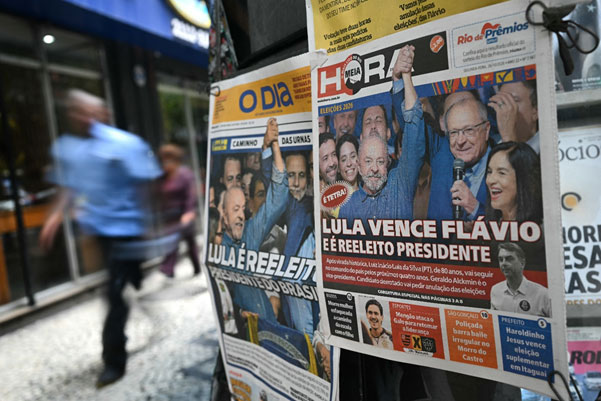
Lula Secured Fourth Term in Runoff Election Against Flávio Bolsonaro
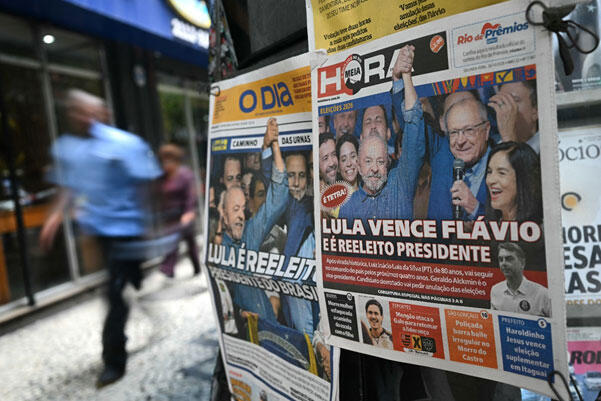
President Luiz Inácio Lula da Silva secured a fourth term on October 25, 2026, winning approximately 52 percent of the valid vote in a runoff election.
The result marked a strong comeback for the 80-year-old leader, who had trailed his far-right opponent, Flávio Bolsonaro, in the first round of voting, according to Inter Press Service.
Lula’s victory followed a period of intense civic mobilization, with students, trade unionists, and online activists organizing to counter the Bolsonaro campaign. While Flávio Bolsonaro initially led with 47 percent of the vote against Lula’s 45 percent, the subsequent runoff saw a surge in turnout, including roughly three million additional voters, Global Issues reported.
Mobilization and Electoral Tensions
The campaign environment was marked by accusations of digital interference. Lula’s team alleged that Meta limited the reach of their posts and that the company’s artificial intelligence tools generated images of Bolsonaro but failed to produce similar content for Lula. The Superior Electoral Court intervened, ordering the platform to maintain equal treatment for both candidates.
Civil society groups also pushed back against perceived corporate influence, with activists protesting outside Meta’s offices in São Paulo under the banner “Meta, não se meta,” or “Meta, don’t meddle.” Separately, the election cycle saw the highest abstention rate since 1998 during the first round, which dropped significantly before the final vote as the political stakes became more apparent to the electorate.
Janones Builds Digital Army
Federal deputy André Janones transformed his “Exército do Lula” (Lula’s army) WhatsApp channel into a major mobilization hub, growing its subscriber base to over 10 million. This online effort was part of a broader strategy by progressives to reclaim digital space that had been dominated by far-right voices since 2018.
The digital push complemented on-the-ground actions, with students and everyday people leading rallies and protests in at least 16 states and the Federal District.
Court Faces Allegations of Bias
The Superior Electoral Court intervened after Lula’s campaign accused Meta of artificially limiting its reach and claimed the company’s AI tools would generate images of Bolsonaro but not of Lula. The court ordered the platform to provide equal treatment for both candidates’ campaigns.
The court itself came under scrutiny when a media report revealed its president, a Jair Bolsonaro appointee, had ruled for only 17 per cent of Lula’s injunction requests while approving 69 per cent of those from Flávio Bolsonaro, suggesting bias during the tense election cycle.
Legislative Challenges Ahead
As Lula prepares to take office in January, he faces a Congress where the right maintains a firm majority. He holds support from 124 deputies and 16 senators, compared to 143 deputies and 34 senators aligned against his administration. To maintain a functional majority, the government is expected to negotiate with the Centrão bloc for legislative support.
After a Supreme Court justice ordered the surrender of his passports during a money-laundering investigation, Flávio Bolsonaro left Brazil for the United States. US Secretary of State Marco Rubio confirmed that President Donald Trump authorized his entry into the country.
The Superior Electoral Court (TSE) serves as the highest authority in Brazil’s Electoral Justice, regulating campaign conduct and ensuring fair elections under the Brazilian Constitution. During the 2026 election cycle, the TSE intervened after Meta was accused of artificially limiting Lula’s campaign reach, ordering the platform to provide equal treatment for both candidates.
In his first national address following the runoff, Lula acknowledged the role of those who organized to support his candidacy. “I thank the people who went to the streets and to social media to defend their rights,” he said, adding that popular mobilization would guide his upcoming administration.